

Most people choose a moisturizer based on how it feels when they apply it. Rich and creamy tends to feel like more. Lightweight tends to feel like less. So when skin feels dry, the instinct is to go heavier. When skin feels oily, the instinct is to skip moisturizer entirely.
Both of those responses miss the actual problem.
Dry skin and oily skin can both be severely dehydrated. A moisturizer that feels rich does not automatically deliver better hydration. One that feels light does not automatically deliver less. What matters is the formula, the ingredients it carries, and how well it works with your skin's own moisture system rather than fighting against it.
A well-formulated lightweight gel moisturizer delivers something a heavy cream rarely does: hydration that absorbs fully, reaches the layers it needs to reach, and leaves your skin in a better condition tomorrow than it was today. This article explains exactly why that happens, what makes the best formulas work, and which ingredients are driving the most meaningful results in this category right now.
What a Lightweight Gel Moisturizer Does That a Regular Cream Cannot
The word moisturizer covers an enormous range of products with very different formulas and very different functions. Understanding the difference between a gel and a cream is not just helpful for product selection. It changes how you build your entire routine.
A traditional cream moisturizer has a high oil content. It creates a rich, occlusive layer on the skin's surface that traps existing moisture and slows water loss. For very dry or compromised skin, that function matters. But for most skin types, especially combination, oily, or acne-prone skin, a heavy cream layer does more harm than good. It sits on the surface rather than absorbing, clogs pores in heat and humidity, and leaves a residue that interferes with sunscreen and makeup application.
A lightweight gel moisturizer uses a water-base structure that absorbs almost immediately on contact. There is no occlusive layer to wait for. The formula reaches the skin cells that actually need hydration and delivers active ingredients at the same time. Because the texture is weightless, it works equally well under sunscreen in the morning and under nothing at night.
The other critical difference is breathability. Skin is a living organ. It processes, regulates, and renews constantly. A formula that blocks that process with a heavy film slows the skin's natural cycle. A gel moisturizer allows skin to breathe, which keeps those processes running at full efficiency. That is part of why people with oily skin who switch to a gel moisturizer often see oil production regulate over time. Their skin was overproducing oil partly because it was suffocating under heavy products, not because it naturally produced too much.
For people with normal or combination skin, a lightweight gel moisturizer provides all the hydration a cream does, without the drawbacks that come with a formula designed for a problem your skin does not have.
Why Your Current Moisturizer Might Actually Be Making Things Worse
If you have been using a moisturizer consistently and your skin still looks dull, feels tight by afternoon, or breaks out regularly, the product itself may be the issue rather than your skin.
The most common problem is comedogenicity. Many moisturizer ingredients, including several commonly used emollients and thickeners, rate highly on the comedogenic scale. That means they are likely to block pores when used daily. Ingredients like coconut oil, isopropyl myristate, and certain silicones appear in a wide range of cream moisturizers and are well tolerated by some skin types while consistently triggering congestion in others.
The second problem is fragrance load. Moisturizers applied twice daily are in contact with your skin longer than almost any other product in your routine. Fragrance is one of the most common causes of chronic low-grade skin irritation. Many people blame their skin for being sensitive when the actual trigger is daily exposure to fragrance in a leave-on product.
The third problem is the wrong formula for your climate and season. A rich cream that works in winter dries becomes a congestion machine in humid summer heat. Your skin's moisture needs change with temperature and humidity. A lightweight gel moisturizer adapts more naturally across seasons because it does not rely on occlusion to function. It delivers hydration through water-binding ingredients rather than sealing it in with oils.
If your skin has been reacting to moisturizers in ways you cannot explain, switching to a non-comedogenic, lightweight gel formula with a clean ingredient profile is often the single change that resolves the issue.
Cloudberry: The Arctic Superfruit Your Skincare Routine Has Been Missing
Cloudberry grows wild in the marshlands and tundra of Scandinavia, Russia, and the Arctic regions of Canada. It survives conditions that would destroy most plants: temperatures that drop well below freezing, near-total darkness for months at a time, and soil that provides almost no nutrition. To do this, it develops one of the most concentrated antioxidant profiles found in any fruit on earth.
Cloudberry contains up to four times more vitamin C than an orange by weight. It is rich in vitamin E, ellagic acid, and omega-3 and omega-6 fatty acids in a ratio that closely mirrors the skin's own lipid structure. That last point matters more than most people realize.
Your skin's outermost layer, the stratum corneum, is made up largely of lipids. These lipids hold the skin barrier together, regulate water loss, and protect against environmental damage. When the lipid balance is disrupted, either by over-cleansing, harsh ingredients, or simple aging, the barrier weakens. Water escapes faster. Irritants enter more easily. Skin becomes reactive, dry, and dull.
The omega fatty acids in cloudberry fruit extract help restore that lipid balance directly. Because their structure mirrors what the skin produces naturally, they integrate into the barrier rather than sitting on top of it. The result is a barrier that is functionally repaired rather than temporarily coated.
The antioxidant content adds a layer of protection against the oxidative stress that accelerates visible aging. Free radical damage from UV exposure, pollution, and stress breaks down collagen and disrupts skin cell renewal. Cloudberry's vitamin C and E content neutralizes that damage at the cellular level. You are not just hydrating your skin. You are protecting it against the processes that make it look older faster.
Snow Algae Extract: What Survives in Extreme Cold Can Protect Your Skin
Snow algae is a microorganism found in permanent snow fields and glaciers across the Alps, the Arctic, and the Himalayas. It thrives at near-zero temperatures with high UV exposure and minimal nutrients, conditions that would kill virtually any other living organism. To survive, it produces a unique set of protective compounds that are now among the most studied ingredients in advanced skincare.
The key mechanism is its ability to activate proteins associated with longevity and cellular resilience. Research on Coenochloris Signiensis, the specific snow algae extract used in performance skincare formulations, shows that it can activate genes linked to cell protection and slow the cellular processes associated with aging. It essentially signals skin cells to behave as they did when they were younger.
For daily skincare, that translates to several visible benefits. Snow algae extract supports the skin's defense against UV-induced oxidative stress, which is the primary driver of visible aging in sun-exposed skin. It helps regulate moisture retention at the cellular level, reducing transepidermal water loss. And it has demonstrated activity in supporting the skin's natural renewal cycle, which slows significantly with age.
What makes snow algae particularly valuable in a lightweight gel moisturizer is that it does not require a heavy carrier to be effective. It works in a water-based formula, which means you get the ingredient's full activity without adding any weight or occlusion to the texture. You get one of the most biologically active anti-aging and protective ingredients available, inside a formula that feels like nothing on your skin.
Sodium Ascorbyl Phosphate: Why This Form of Vitamin C Is the Smarter Choice for Daily Use
Vitamin C is one of the most researched brightening and antioxidant ingredients in skincare. It protects against free radical damage, inhibits melanin production to prevent dark spots, and supports collagen synthesis. Most people know they should be using it. Most people also find it irritating.
The reason is the form. The most studied form of vitamin C, L-ascorbic acid, is highly unstable and must be formulated at a low pH to remain active. That low pH is what causes the stinging, redness, and irritation that makes many people stop using it. It also oxidizes quickly, which is why vitamin C serums often turn orange in the bottle within a few weeks of opening.
Sodium Ascorbyl Phosphate, the form used in the Cloudberry Hydrating Gel Moisturizer, converts to active vitamin C once it contacts the skin. This means it does not need to be formulated at an aggressive pH to remain stable. It is significantly less irritating, more stable in formula, and equally effective at the brightening and protective functions that make vitamin C worth using. For people who have tried vitamin C serums and stopped because of sensitivity, this form is frequently the answer.
Using vitamin C in a moisturizer rather than a serum has one practical advantage: contact time. A moisturizer stays on your skin longer than a serum. More time means more opportunity for the active to do its work. Brightening results develop over weeks, and a formula applied twice daily in a stable, non-irritating form will consistently outperform one used inconsistently because of tolerance issues.
Soft Matte Finish: Why It Matters More Than You Think
The finish a moisturizer leaves is not just a cosmetic preference. It affects how every other product you apply on top of it performs.
A greasy or dewy finish from a moisturizer creates a slick surface. SPF applied over it can move. Makeup can slip, separate, or break down faster than it should. For anyone who wears sunscreen or foundation daily, a moisturizer that finishes matte is a functional necessity, not just a texture preference.
A soft matte finish also reflects light more evenly. Skin with a slight sheen from excess oil or product residue scatters light unevenly, which emphasizes texture and pores. Skin with a natural, balanced matte finish reflects light from a smoother surface. The result looks cleaner, more even, and more refined, even without makeup over it.
The caffeine content in the Cloudberry Hydrating Gel Moisturizer contributes to this. Caffeine is a vasoconstrictor, meaning it temporarily tightens the blood vessels near the skin's surface. This reduces puffiness and makes pores appear smaller and less visible immediately after application. Combined with the soft matte finish from the gel base, the result is skin that looks visibly more refined from the first use.
How to Layer a Lightweight Gel Moisturizer Into Your Routine Correctly
Applying a lightweight gel moisturizer in the wrong order reduces its effectiveness. The correct sequence ensures each product performs at its best.
In the morning, cleanse first. Apply any serum or treatment product next, pressing it into slightly damp skin and allowing thirty to sixty seconds for full absorption. Then apply your lightweight gel moisturizer evenly across the face and neck. Give it sixty seconds to absorb before applying SPF. This matters because SPF applied over a fully absorbed gel base adheres more evenly and provides more consistent protection than SPF applied over a wet or still-absorbing surface.
At night, cleanse thoroughly. Apply your serum. Follow with the gel moisturizer as your final step. You do not need a separate night cream if your daytime moisturizer is well-formulated. A gel moisturizer used at night works with your skin's overnight repair cycle rather than blocking it.
One common mistake is applying too much product. Two to three pumps or a pea-sized amount is sufficient for the full face and neck. Applying more does not increase hydration. It leaves residue on the surface that can interfere with absorption and may contribute to congestion over time.
The other common mistake is skipping the moisturizer on oily skin days. Oily skin produces more sebum when it is dehydrated. Consistently providing moisture through a lightweight gel moisturizer teaches the skin that it does not need to compensate with excess oil. Results from this approach typically become visible within two to four weeks of consistent use.
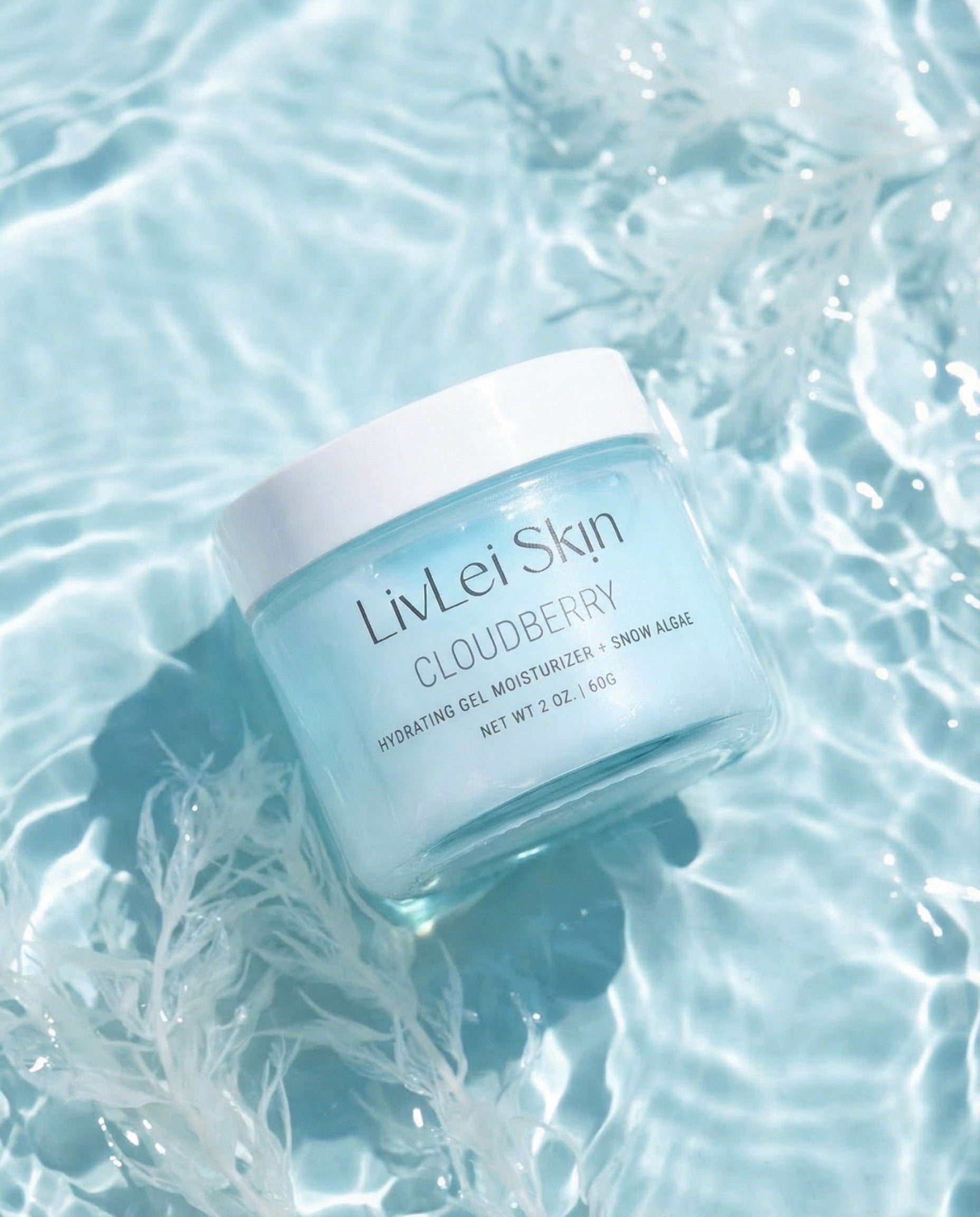
The LivLei Cloudberry Hydrating Gel Moisturizer and What Makes It Different
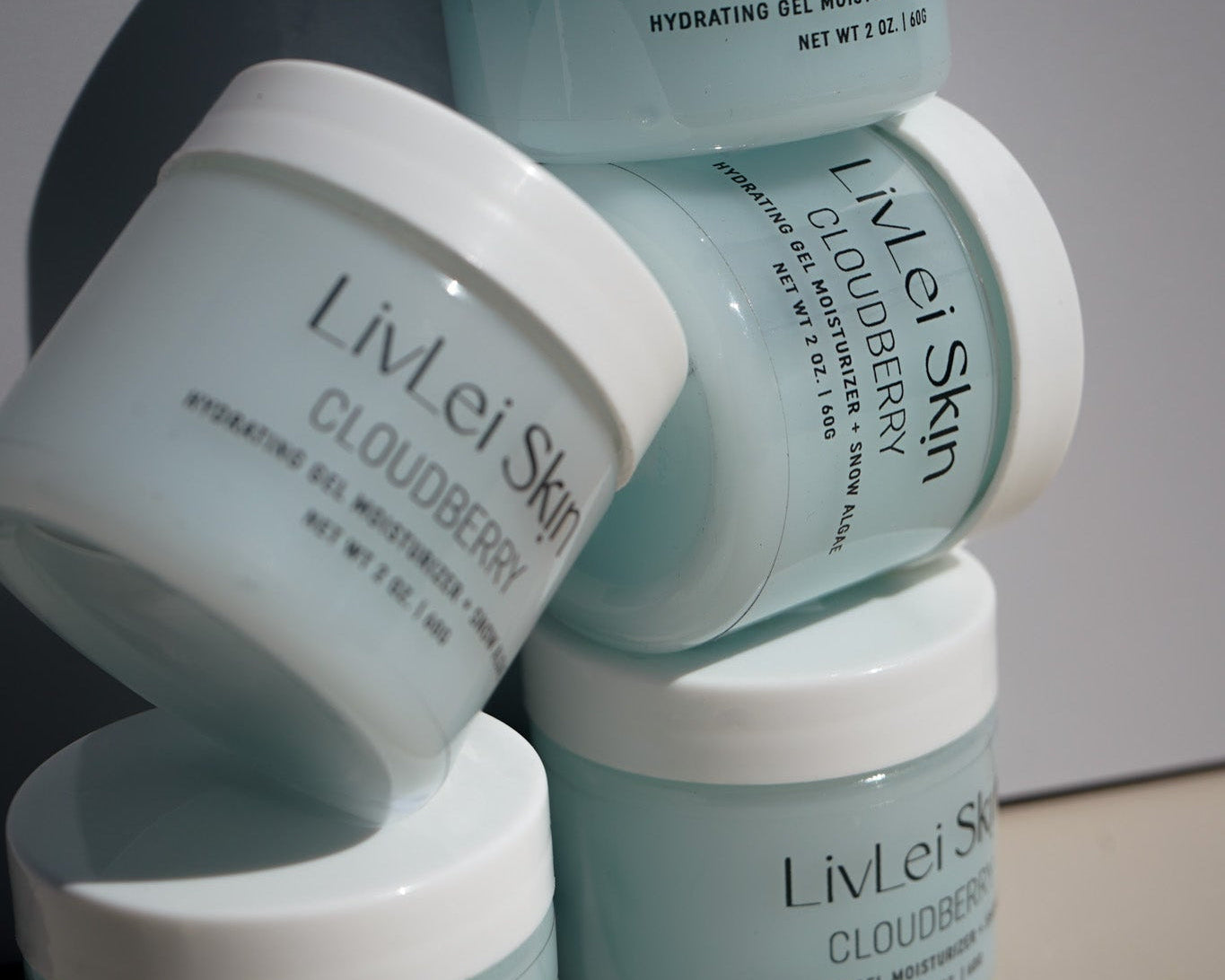
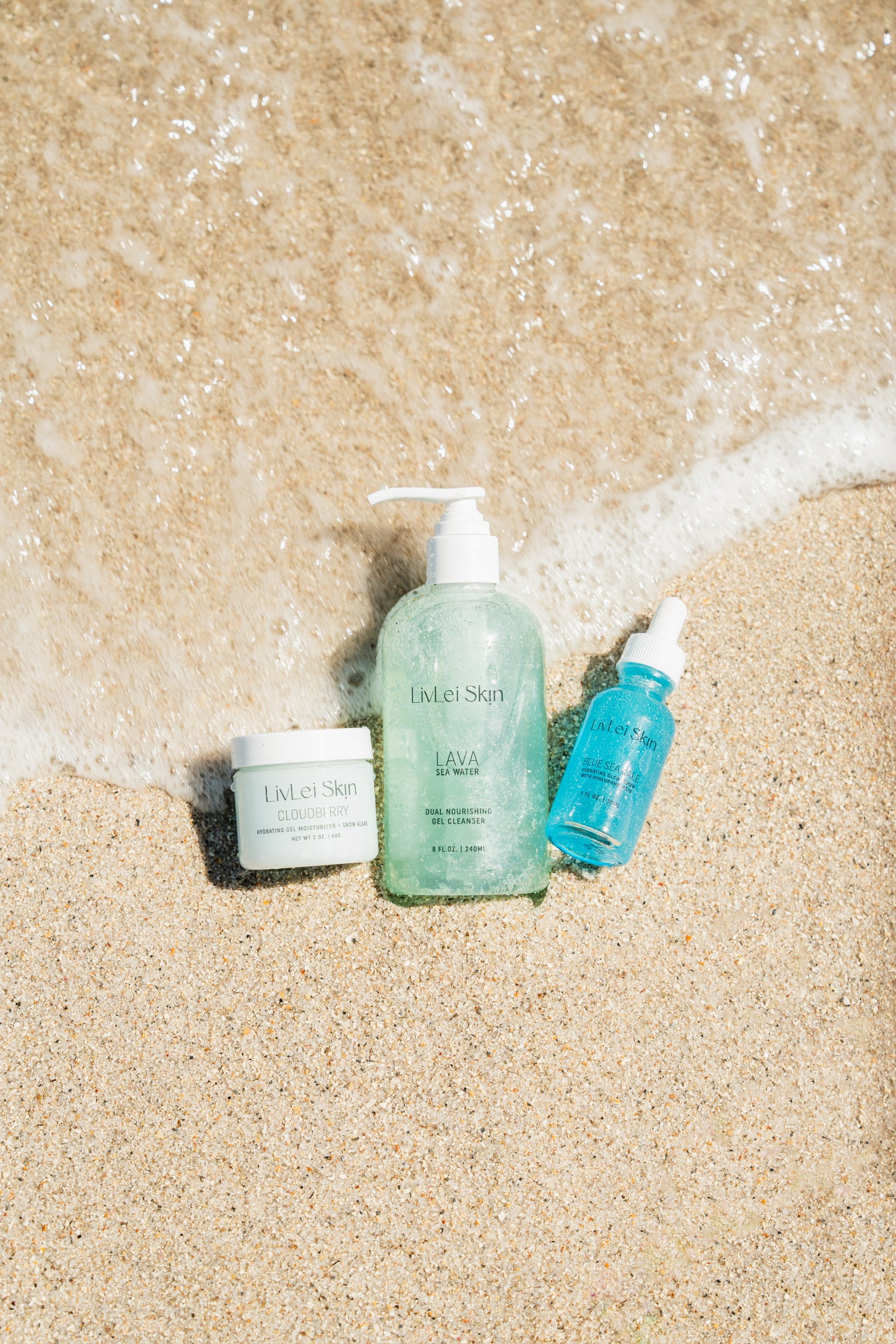
Most gel moisturizers choose one or two hero ingredients and build around them. The LivLei Cloudberry Hydrating Gel Moisturizer takes a different approach. It combines cloudberry fruit extract, snow algae extract, aloe vera juice, sodium ascorbyl phosphate vitamin C, caffeine, and a sugar complex of Xylitylglucoside and Xylitol, each chosen for a specific and complementary function.
Cloudberry repairs and protects the barrier. Snow algae defends against environmental stress and cellular aging. Aloe vera calms and provides immediate soothing hydration. The sugar complex helps regulate moisture retention throughout the day. Caffeine tightens and refines the surface. Vitamin C brightens over time and contributes antioxidant protection.
None of these ingredients conflict. All of them work toward the same outcome: skin that is hydrated, protected, naturally brightened, and visibly healthy without heaviness or residue. The formula is vegan, suitable for all skin types, and designed to sit comfortably under sunscreen and makeup.
At $50, it is priced as a serious skincare product with a formula that reflects that positioning. Every ingredient in the key blend is there for a reason.
Shop the Cloudberry Hydrating Gel Moisturizer at livleiskin.com/products/cloudberry-hydrating-gel-moisturizer-snow-algae.
Frequently Asked Questions About Lightweight Gel Moisturizers
Is a lightweight gel moisturizer enough for dry skin, or do I need something richer?
A lightweight gel moisturizer is often enough for dry skin when it is paired with a serum underneath. The serum delivers deep hydration, and the gel moisturizer seals it in and provides additional moisture-binding activity at the surface. Where people with dry skin run into trouble is using a gel moisturizer without any serum underneath. In that case, the gel provides surface hydration but does not address the deeper dehydration. Add a hydrating serum as your first step and apply the gel moisturizer immediately after. Most people with dry skin find that combination outperforms a heavy cream used alone.
Can a lightweight gel moisturizer replace my sunscreen in the morning?
No. A moisturizer and an SPF serve different functions and neither replaces the other. A lightweight gel moisturizer hydrates and supports the skin barrier. Sunscreen protects against UV radiation, which is the primary driver of premature aging and skin cancer risk. Apply your gel moisturizer first, let it absorb for sixty seconds, and then apply SPF on top. The gel base creates an even, smooth surface that helps sunscreen distribute more uniformly. The two products work together more effectively than either works alone.
Why does cloudberry make a better moisturizer ingredient than more common fruit extracts?
Most fruit extracts are used in skincare primarily for their antioxidant content or fragrance contribution. Cloudberry provides both of those things but also delivers omega fatty acids in a ratio that closely mirrors the skin's own lipid profile. That structural similarity allows cloudberry to repair the skin barrier rather than simply sitting on top of it. Common extracts like strawberry or grape do not offer the same lipid-level barrier support. Cloudberry's vitamin C content is also exceptionally high, making it one of the few fruit extracts that genuinely contributes both barrier repair and brightening in a single ingredient.
How quickly will I see results from a gel moisturizer with vitamin C and snow algae?
You will notice texture and softness improvement from the first use, primarily from the aloe vera, the sugar complex, and the immediate absorption of the gel formula. Brightening from the sodium ascorbyl phosphate vitamin C becomes visible at two to four weeks of twice-daily use. Snow algae's protective and cellular benefits are cumulative and build over four to eight weeks. The pattern most people experience is immediate comfort and texture improvement, followed by visible brightening in the second to third week, followed by a more even and resilient overall complexion from the fourth week onward.
Can I use this gel moisturizer if I have sensitive or reactive skin?
Yes. The formula uses sodium ascorbyl phosphate rather than L-ascorbic acid, which significantly reduces the irritation risk associated with vitamin C. Snow algae and cloudberry are both well tolerated by sensitive skin types. Aloe vera adds a calming element that further supports reactivity-prone skin. If you have known sensitivities, patch-test any new product on your inner arm for 24 to 48 hours before applying to your face. A gel base without alcohol, harsh exfoliants, or high fragrance concentration is generally one of the safest moisturizer formats for sensitive skin.
Your Skin Does Not Need More Product. It Needs a Better One.
The instinct to add more steps, more products, or heavier formulas when skin looks dull or feels dry is understandable. It is also usually the wrong move.
What your skin needs is a moisturizer that delivers real hydration at the right depth, through ingredients that support the barrier, protect against damage, and work every day without congestion or residue. A lightweight gel moisturizer formulated with cloudberry, snow algae, and vitamin C does exactly that.
The LivLei Cloudberry Hydrating Gel Moisturizer was built for people who want results without complication. Vegan, suitable for all skin types, and designed to work as hard under sunscreen and makeup as it does on a product-free rest day.
Shop it now at livleiskin.com/products/cloudberry-hydrating-gel-moisturizer-snow-algae.