

Most people have been cleansing their skin wrong for years. Not through any fault of their own. They were handed a foaming wash, told to lather up on wet skin, and sent on their way. The result is skin that feels clean for about twenty minutes and then starts to feel tight, dry, or irritated for the rest of the day.
That tightness after cleansing is not clean skin. It is stripped skin. It means your cleanser removed your makeup and SPF and also took your natural oils, your barrier lipids, and a meaningful amount of your skin's moisture along with it. Your skin spends the next several hours trying to recover from the thing that was supposed to help it.
A gel oil cleanser solves this. It uses dual technology to dissolve oil-based buildup the way only an oil can, while delivering the light lathering experience of a gel so your skin finishes clean, not tight. This article explains exactly how it works, why the application method matters as much as the formula, and what marine botanicals bring to a cleanser that standard ingredients simply cannot replicate.
What a Gel Oil Cleanser Actually Is and Why It Works Differently
The name is straightforward but the chemistry behind it is genuinely clever.
A gel oil cleanser contains both water-based gel components and oil-based components in a single formula. On dry skin, the oil side of the formula is dominant. It makes contact with the oil-based substances on your face, including SPF, sebum, makeup, and pollution residue, and begins dissolving them immediately. Oil dissolves oil. This is basic chemistry, and it is why oil-based formulas remove sunscreen and long-wear makeup completely when water-based cleansers leave residue behind.
When you add water and begin massaging, the formula transforms. The gel components activate and the whole thing emulsifies into a light, refreshing lather that lifts away the dissolved buildup and rinses cleanly. You do not end up with an oily residue on your skin because the emulsification step takes care of it. What you are left with is skin that is genuinely clean at every layer.
This transformation is the difference between a gel oil cleanser and a standard gel cleanser or a standard cleansing oil used separately. A gel cleanser on its own cleans the surface but leaves oil-soluble residue. A cleansing oil on its own requires a second cleanser to remove it properly. A gel oil cleanser does both jobs in one step, which is why it supports a simpler routine without any compromise in cleansing quality.
The important detail most brands do not explain clearly: this formula must be applied to dry skin first. On wet skin, the oil components do not get the contact time they need to dissolve the buildup. Adding water too early is like diluting your cleaning solution before it has done its job. Dry skin application is not a preference. It is the step that makes the whole formula work.
Why Most Cleansers Strip Your Skin and Why That Matters More Than You Think
The cleansing step is the most underestimated part of a skincare routine. Most people spend significant money on serums and moisturizers while using a cleanser that actively works against everything those products are trying to achieve.
Harsh surfactants strip the skin's natural oil, known as sebum, along with the dirt and makeup they are supposed to remove. Sodium lauryl sulfate is the most commonly cited offender, but sulfates are not the only issue. Many cleansers formulated without sulfates still use surfactant combinations that remove far more than they should. The test is simple: if your skin feels tight, squeaky, or dry immediately after rinsing, your cleanser has stripped it.
When the skin barrier is stripped, it loses its ability to retain moisture. Water escapes from the outer layers faster than it should. Your moisturizer and serum absorb quickly but provide less benefit because the skin cannot hold on to what it receives. The barrier is supposed to regulate all of this, and a cleanser that strips it twice a day undermines every other product you use.
The second problem is pH disruption. Healthy skin has a slightly acidic surface, typically between pH 4.5 and 5.5. Most foam cleansers are formulated at a higher, more alkaline pH that disrupts this balance and leaves the skin's acid mantle compromised. A compromised acid mantle means slower recovery, higher sensitivity to actives, and greater susceptibility to breakouts.
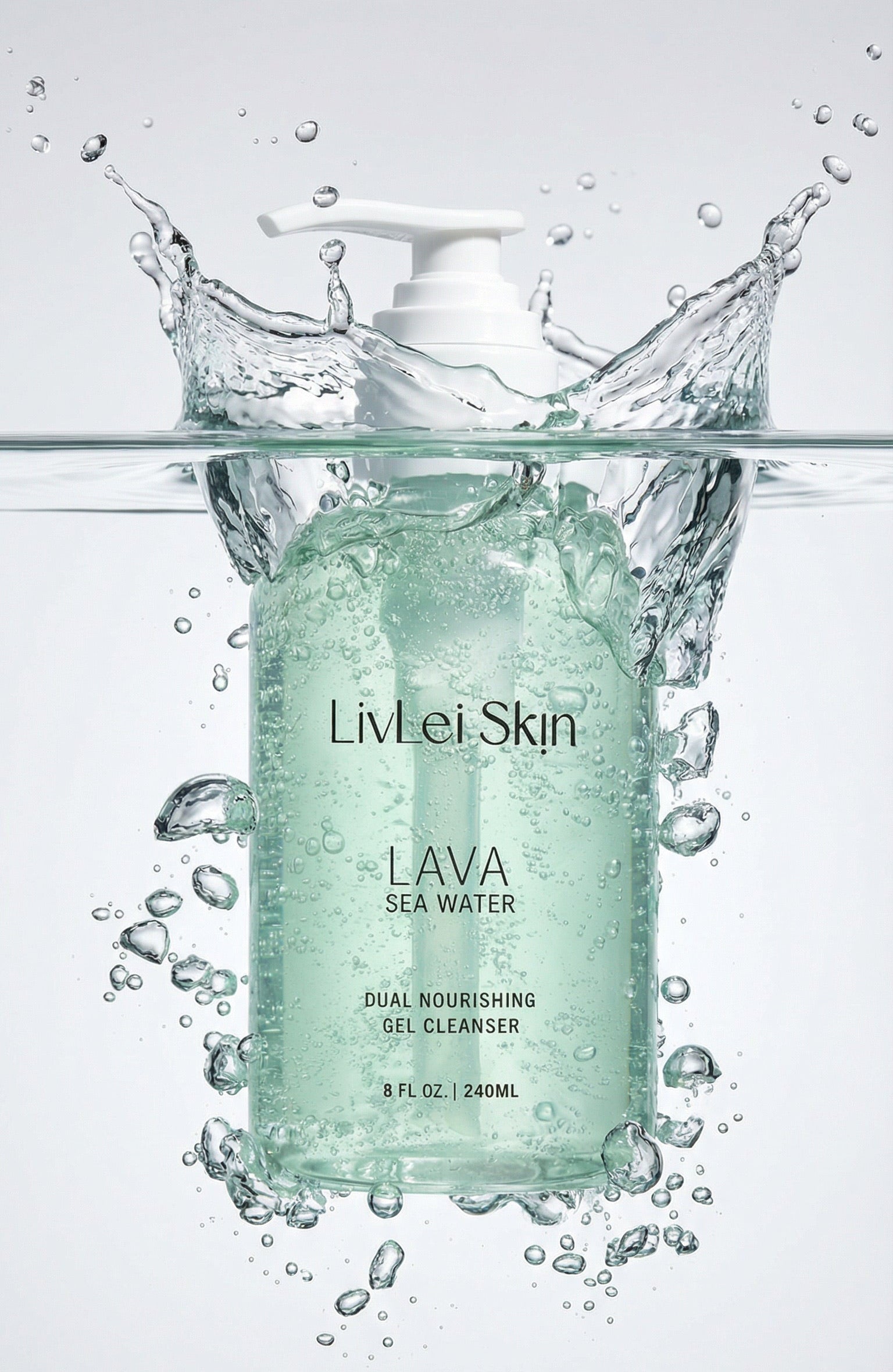
A well-formulated gel oil cleanser uses mild, skin-compatible surfactants that clean effectively without the disruption. The LivLei Lava Sea Water Dual Nourishing Gel Cleanser uses amino acid-derived cleansing agents including sodium methyl cocoyl taurate and potassium cocoyl glycinate. These are among the gentlest effective surfactants available and are well tolerated by reactive, sensitive, and acne-prone skin types.
Why Applying Your Cleanser to Dry Skin Changes Everything
This is the step that transforms the performance of a gel oil cleanser and the step that most new users skip because it feels counterintuitive.
Every cleanser guide you have ever read probably told you to wet your face first. That instruction works for standard foaming cleansers because their surfactants need water to activate. A gel oil cleanser works the opposite way. Its oil components need dry skin to function at full effectiveness.
When you apply a gel oil cleanser to dry skin and massage it in for thirty to sixty seconds, the oils make direct contact with your SPF, your foundation, your excess sebum, and the fine particles of pollution that settled on your skin throughout the day. They dissolve all of it on contact. You can feel the texture change as the formula picks up the buildup, moving from a dry slip to a slightly heavier, more loaded feeling as it works.
Then you add water. A small amount is enough. The formula shifts immediately, emulsifying from an oil-rich texture into a light lather that is easy to rinse. The buildup leaves with it. What stays behind is clean, comfortable skin.
This process takes sixty to ninety seconds longer than wetting your face and applying a gel cleanser. It is worth every second. A 2025 study published in the Journal of Cosmetic Dermatology found that oil-based first cleanse steps improved the absorption of actives applied afterward by thirty-two percent compared to single water-based cleansing. Your serum and moisturizer both perform better on skin that has been thoroughly cleaned of oil-soluble residue.
If you wear SPF daily, this step is not optional. Most SPF filters are oil-based and cannot be removed by water-based cleansers alone. Using a gel oil cleanser on dry skin ensures your SPF is fully removed every evening and does not accumulate in your pores over days of washing.
Sea Water in Skincare: Why This Ingredient Is Far More Than a Marketing Term
The inclusion of actual sea water in a skincare formula is not branding. It is a genuinely functional ingredient with documented benefits for skin health.
Sea water is rich in minerals that the skin uses and regularly loses throughout the day. Magnesium, potassium, calcium, sodium, and trace elements like zinc and selenium all support skin barrier function, regulate cell turnover, and contribute to the moisture-retaining capacity of the outer skin layers. These minerals are identical to those found in the skin's own natural moisture factor, the complex of compounds that keeps the outer layer hydrated between washing and product application.
When sea water is used in a cleanser, it delivers these minerals directly to the skin during the cleansing step rather than depleting them. Most cleansers strip minerals along with everything else. A cleanser formulated with sea water actively replaces some of what the cleansing process removes, which is part of why skin feels balanced and comfortable rather than tight after rinsing.
Thalassotherapy, the clinical use of sea water and marine extracts for skin and health treatment, has been studied for decades in European dermatology. Research consistently shows that mineral-rich sea water improves barrier function, reduces transepidermal water loss, and calms inflammatory skin conditions including eczema and psoriasis. Including actual sea water as a core ingredient rather than a trace additive brings those functional benefits into a daily cleanser at a meaningful concentration.
Spirulina and Undaria: What These Marine Algae Do That Standard Cleanser Ingredients Cannot
Spirulina Platensis is a blue-green microalgae that has been used as a nutritional supplement for decades because of its extraordinary concentration of protein, vitamins, and antioxidants. In skincare, its value is equally significant but for different reasons.
Spirulina is rich in phycocyanin, a pigment compound with documented anti-inflammatory activity. For skin that becomes reactive or inflamed during cleansing, whether from hard water, temperature changes, or barrier disruption, the anti-inflammatory activity of spirulina extract helps calm that response in real time. You are not just cleaning your skin. You are actively soothing it during the process.
Spirulina also contains tyrosinase-inhibiting compounds that contribute to brightness over time with consistent use. Most people do not associate a cleanser with brightening results, but a formula used twice daily that consistently reduces inflammation and supports even skin tone delivers cumulative benefits that show up over weeks.
Undaria Peterseniana is a brown seaweed used in Japanese cuisine and, increasingly, in high-performance skincare. It contains fucoidan, a sulfated polysaccharide with strong moisturizing and barrier-supporting properties. Fucoidan helps the skin retain water by creating a film on the skin's surface that slows evaporation, similar to the function of hyaluronic acid but derived from a completely different mechanism. It also has antioxidant activity that protects against the oxidative stress created by UV exposure and environmental pollution.
Together, spirulina and undaria turn a cleansing step into an active treatment. Your skin is not just being washed. It is being nourished, calmed, and protected at the same time.
Aster Tripolium and Limonium Gerberi: The Halophytes Your Skin Has Never Heard Of But Needs
Halophytes are plants that thrive in salt-rich coastal environments, places where most plants cannot survive. Aster Tripolium and Limonium Gerberi are two of the most studied halophytes in advanced skincare formulation, and both appear in the Lava Sea Water Gel Cleanser for specific and well-researched reasons.
Aster Tripolium, the sea aster, grows in salt marshes and coastal mudflats. To survive in high-salinity soil, it produces osmoprotective compounds that regulate its internal water balance under extreme conditions. On skin, these compounds support the same function. They help skin cells maintain their hydration balance when exposed to environmental stressors including wind, pollution, temperature extremes, and the dehydrating effect of air conditioning. Research on Aster Tripolium extract shows activity in reducing transepidermal water loss and improving skin suppleness after regular application.
Limonium Gerberi grows on sea cliffs and in salt meadows along the Mediterranean coastline. It produces polyphenol-rich compounds with strong antioxidant and anti-inflammatory properties. These compounds protect against the oxidative damage that accumulates in skin cells exposed to UV light and airborne pollution daily. Including both halophytes in a cleanser formula means every cleansing step provides antioxidant and barrier support alongside the cleansing action itself. Your skin finishes cleaner and more protected than when you started.
How to Build a Complete Routine Around Your Gel Oil Cleanser
The Lava Sea Water Dual Nourishing Gel Cleanser is designed to work as a single cleansing step for people who want a streamlined routine. That includes mornings after overnight products, evenings after a full day of SPF, makeup, and environmental exposure, and post-workout when sweat and oil need to be removed without disrupting a recovering barrier.
Morning routine: Apply a small amount to dry skin. Massage for twenty to thirty seconds. Add water to activate the lather. Rinse thoroughly with warm water and pat dry. Follow with your serum, then moisturizer, then SPF. Because the cleanser preserves your barrier rather than stripping it, your SPF and actives absorb more evenly and perform better.
Evening routine: Apply to dry skin, focusing on areas with heavier SPF or makeup buildup such as the forehead, nose, and under the eyes. Massage for forty-five to sixty seconds before adding water. Rinse thoroughly. Follow with serum and moisturizer. No second cleanser is required unless you wear extremely heavy makeup or theatrical SPF.
Post-workout: Apply immediately after exercise while skin is still warm from increased circulation. The warmth helps the formula move across the skin easily. The gel oil formula removes sweat, dissolved sunscreen, and any impurities drawn to the surface during exercise without triggering post-workout breakouts, a common problem with harsh cleansers used on skin that is already temporarily sensitized from heat and activity.
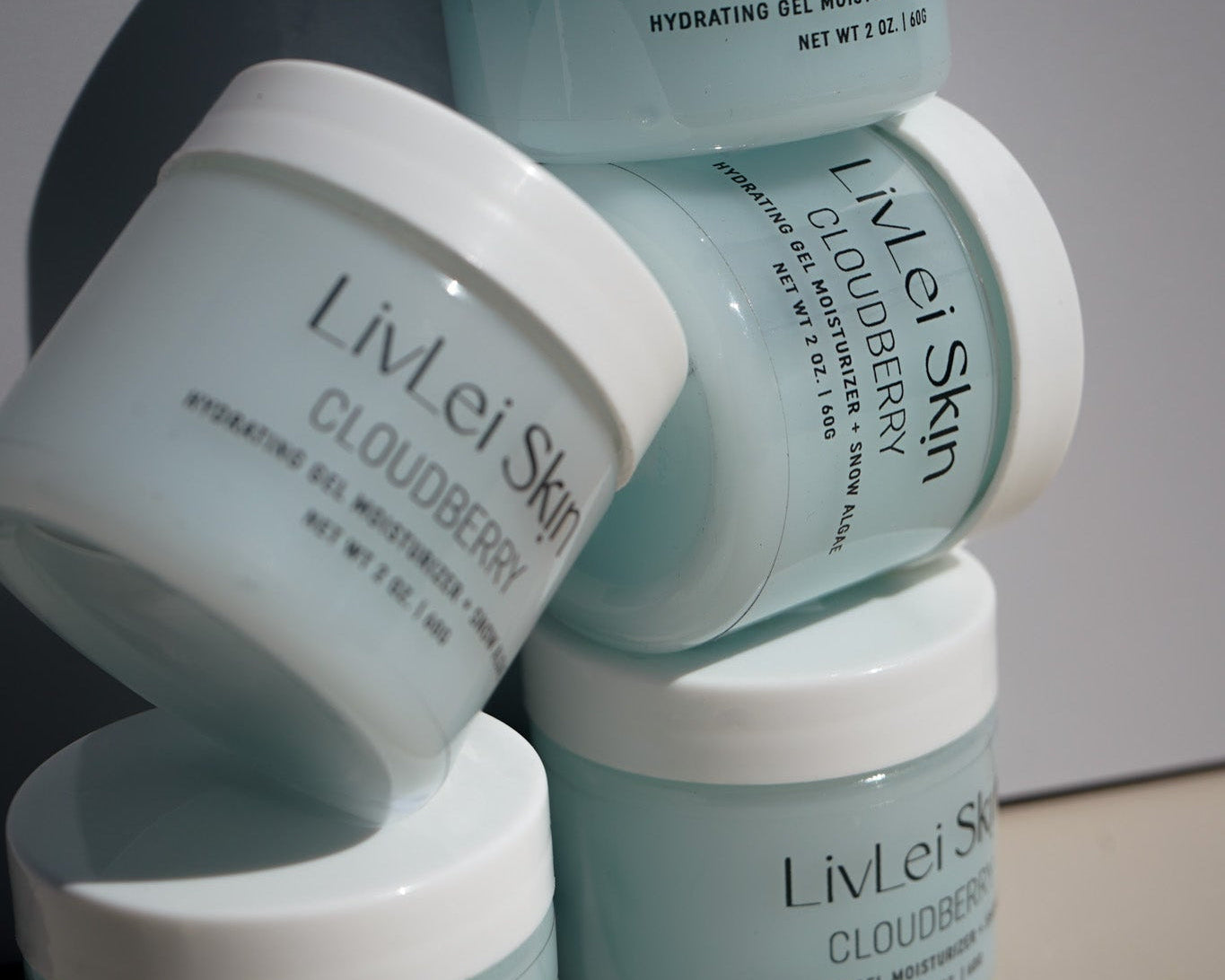
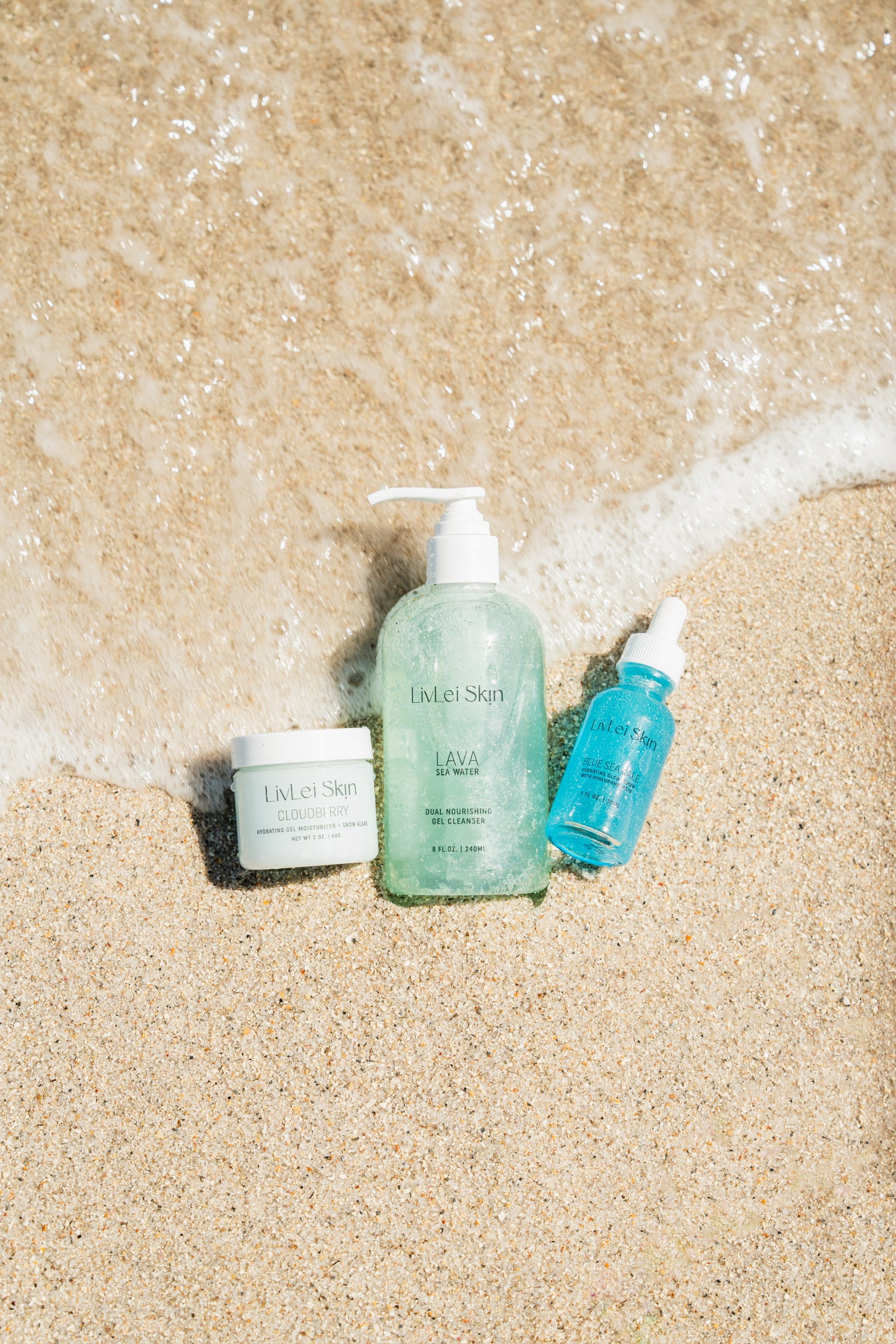
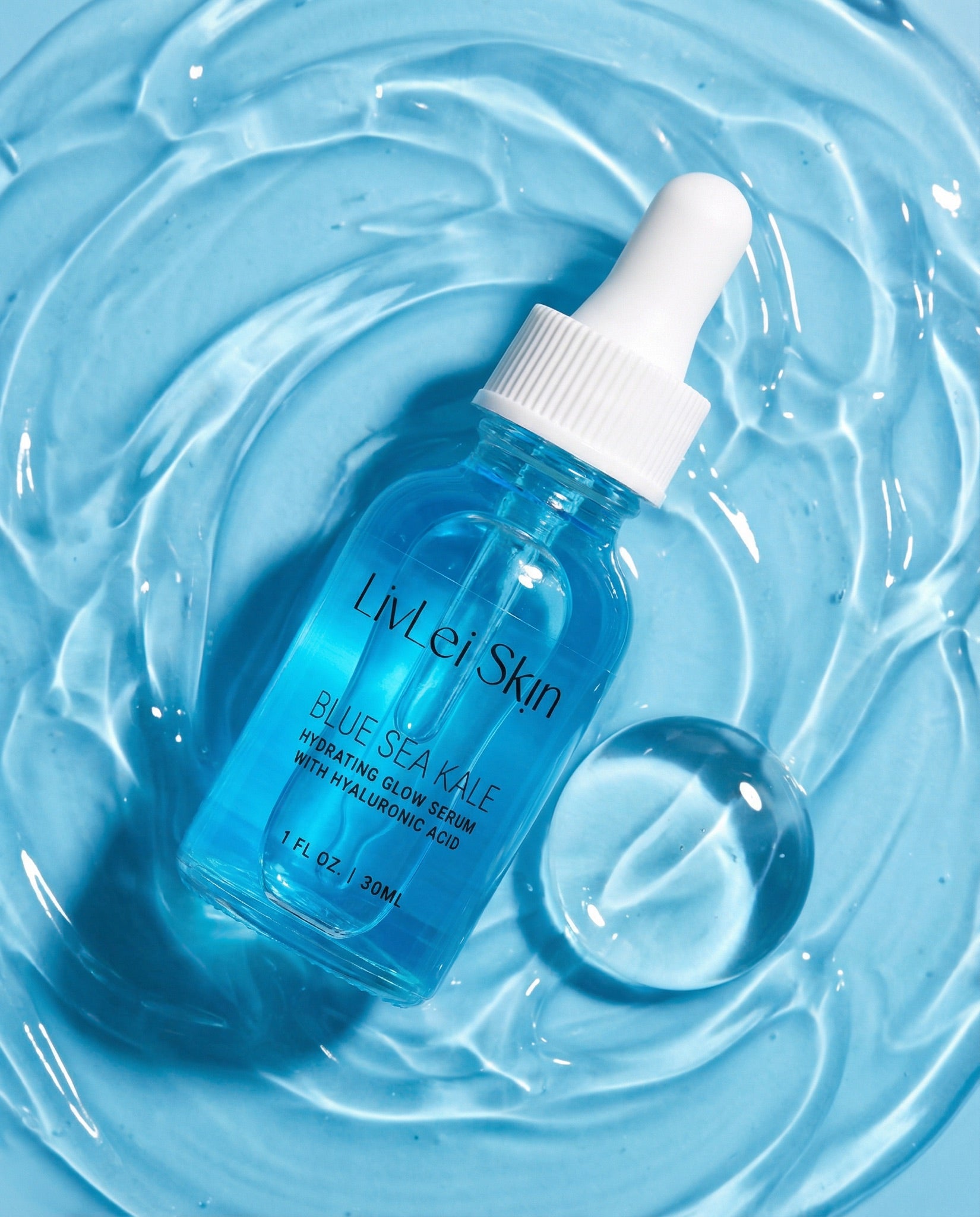
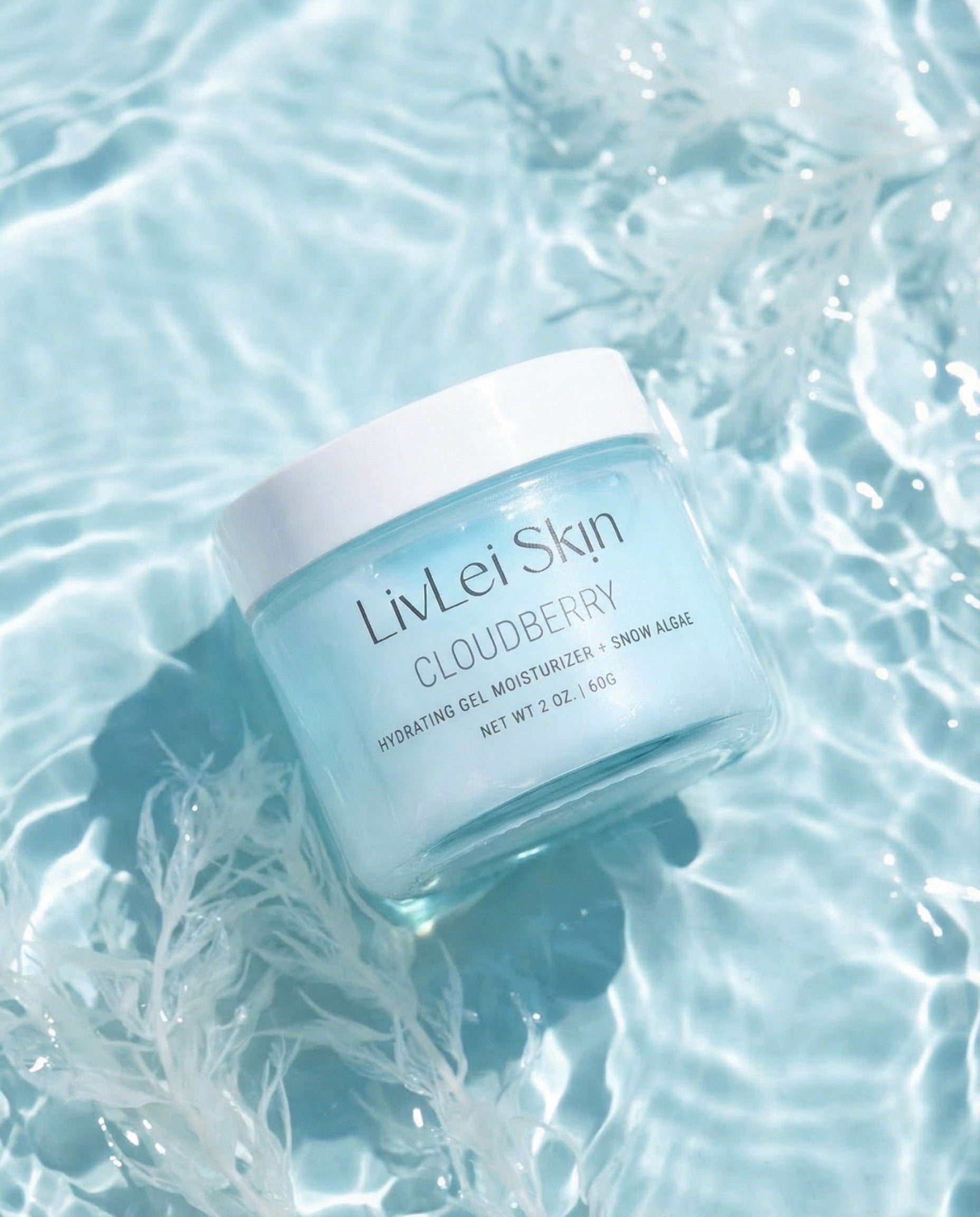
Pair it with the Blue Sea Kale Hydrating Glow Serum and the Cloudberry Hydrating Gel Moisturizer for a three-step routine that covers cleansing, deep hydration, and moisture sealing. All three products are available together in the LivLei Splash Collection at livleiskin.com/products/splash-collection.
The LivLei Lava Sea Water Dual Nourishing Gel Cleanser
The name references two of the most mineral-rich environments on earth: volcanic lava rock coastlines and open ocean sea water. Both are central to the formula rather than symbolic.
Sea water delivers trace minerals that support the barrier and replace what cleansing removes. Spirulina calms inflammation and contributes antioxidant protection. Undaria supports moisture retention through fucoidan's water-binding activity. Aster Tripolium and Limonium Gerberi provide osmoprotective and antioxidant activity from halophyte adaptation compounds. Camellia Seed Oil, a lightweight emollient with a fatty acid profile similar to human sebum, nourishes without congesting and contributes to the formula's ability to dissolve oil-based buildup on dry skin.
The gel oil technology fuses all of these ingredients into a single formula that transforms on contact with water. No second cleanser is needed. No tight or dry feeling after rinsing. No barrier disruption that your next three products have to repair.
At $40, the Lava Sea Water Dual Nourishing Gel Cleanser sits at an accessible price point for a formula with this level of marine ingredient investment. Most comparable cleansers using halophyte and marine algae extracts at meaningful concentrations retail between $45 and $65.
Shop it at livleiskin.com/products/lava-sea-water-dual-nourishing-gel-cleanser.
Frequently Asked Questions About Gel Oil Cleansers
Do I need a second cleanser after using a gel oil cleanser?
Not with a well-formulated gel oil cleanser. The dual-phase technology handles both the oil-soluble removal that a standard cleanser misses and the water-based cleanse that removes sweat, surface impurities, and residual buildup. A second cleanser is only necessary if you wear extremely heavy theatrical makeup or professional-grade waterproof SPF. For daily SPF, standard foundation, and regular skincare products, one thorough gel oil cleanse on dry skin is sufficient. Using a second cleanser unnecessarily adds surfactant exposure that can strip the skin over time and disrupt the barrier function your first cleanser worked to preserve.
Why does the instructions say to apply on dry skin instead of wet?
The oil components in a gel oil cleanser work through direct contact with oil-based buildup on your skin's surface. SPF, sebum, and makeup are all oil-based. Oil dissolves oil, but only when the two are in direct contact without water diluting the formula. Applying the cleanser to wet skin reduces its oil-dissolving effectiveness significantly. Start on completely dry skin, massage for forty-five to sixty seconds, then add a small amount of water to activate the lather and emulsify the formula before rinsing. That sequence is what separates a thorough cleanse from a partial one.
Can a gel oil cleanser cause breakouts if I have acne-prone skin?
A gel oil cleanser formulated with non-comedogenic oils and amino acid surfactants is generally well tolerated by acne-prone skin. The common misconception is that applying oil to oily or breakout-prone skin will worsen congestion. In practice, the opposite is often true. Acne-prone skin frequently overproduces oil as a response to barrier disruption from harsh cleansers. A gentle gel oil formula that preserves the barrier and removes buildup without stripping can reduce this cycle over time. The key is the specific oils used. Camellia seed oil, used in the Lava Sea Water formula, has a low comedogenic rating and a fatty acid profile similar to skin's own sebum, making it one of the safest oils for congestion-prone skin types.
Is a gel oil cleanser suitable for morning use or just evenings?
It works equally well morning and night. In the morning, your skin has overnight product residue, natural sebum produced during sleep, and any residual buildup from your pillow. A gel oil cleanser removes all of this gently and leaves skin balanced for the products you apply next. In the evening, it handles SPF, makeup, and environmental pollution from the day. Many people with sensitive skin actually find a gel oil cleanser gentler for morning use than a standard foaming wash because the formula does not strip the barrier that your overnight products spent hours rebuilding.
How is this different from a cleansing balm?
A cleansing balm has a solid or semi-solid texture that melts into oil on contact with skin. It is excellent for makeup removal but typically requires a second cleanser because it does not fully emulsify and rinse clean on its own. A gel oil cleanser is liquid, activates lather when water is added, and rinses completely without leaving an oily residue. It replaces both the balm and the second cleanser in a single step. For people who want thorough cleansing with less time and fewer products, a gel oil cleanser is the more practical format.
Clean Skin Is the Foundation of Everything Else
Every serum, moisturizer, and SPF you apply performs better on skin that has been properly cleansed. Not stripped. Not dried out. Properly cleaned, with its barrier intact and its natural moisture balance preserved.
A gel oil cleanser is the step that makes that possible. It removes what needs to go and leaves behind what your skin needs to stay healthy. Marine botanicals turn the cleansing step from a necessary chore into active daily nourishment.
The LivLei Lava Sea Water Dual Nourishing Gel Cleanser was built with that standard. Vegan, formulated for all skin types, and designed to start your routine the right way.
Shop it at livleiskin.com/products/lava-sea-water-dual-nourishing-gel-cleanser.