

Ask most people how they choose between a gel vs cream moisturizer and the answer is almost always the same: dry skin gets cream, oily skin gets gel. It is the most repeated piece of skincare advice online and it oversimplifies a decision that actually has more variables than skin type alone.
People with dry skin choose rich creams and spend all summer battling congestion and breakouts from a formula that was wrong for the season. People with oily skin skip moisturizer entirely because every gel they have tried felt like it was not doing anything. People with combination skin rotate between two products trying to solve a problem that one well-chosen formula could handle year-round.
The gel vs cream moisturizer decision is not about which one is better. It is about understanding what each formula actually does, why the texture difference reflects a meaningful formulation difference, and which specific functions your skin needs its moisturizer to perform. Once you understand those three things, the decision becomes obvious.
This guide covers the full picture: the science behind both formats, what each one does well, what each one does poorly, which skin types genuinely benefit from each, how seasonal and environmental factors change the equation, and what to look for in each category when the product needs to perform beyond basic hydration.
What Actually Separates a Gel Moisturizer From a Cream Beyond Texture
The difference between a gel and a cream moisturizer is not just how they feel on your finger. The texture difference reflects a fundamental difference in how each formula is structured and how it interacts with your skin's biology.
A cream moisturizer has a high oil content. It is an emulsion of water and oils held together by emulsifying agents. The oil content is what gives cream its rich, thick texture and what produces the heavy, nourishing feel on the skin. Oils in a cream moisturizer function as emollients and occlusives. Emollients soften the skin by filling the gaps between surface skin cells. Occlusives create a semi-impermeable film on the skin's surface that physically slows water evaporation. This is why creams feel moisturizing for a long time after application. They are slowing the rate at which moisture leaves the skin through a physical barrier rather than through any active hydration mechanism.
A gel moisturizer has a water base with a significantly lower oil content. Gel texture is achieved through water-soluble polymers, silicones, or natural gelling agents like xanthan gum and aloe vera that create a structured, lightweight consistency without the need for heavy oils. The primary hydration mechanism in a gel is humectant-based rather than occlusive. Humectants like hyaluronic acid, glycerin, and sugar complexes attract and bind water molecules, drawing moisture into the skin from the environment and from the deeper layers of the epidermis. This is active hydration rather than passive barrier sealing.
The practical difference is significant. A cream moisturizer seals moisture in. A well-formulated gel moisturizer actively draws moisture in and then seals it. For most skin types that are not severely dry or significantly barrier-compromised, the active drawing mechanism of a gel combined with appropriate sealing provides more usable hydration than the passive sealing of a cream alone.
What Cream Moisturizers Do Well and Where They Fall Short
Cream moisturizers perform best under specific conditions that are less common than the skincare industry implies. Understanding these conditions helps you recognize whether your skin actually needs a cream or whether you have been using one by default because it felt like more.
Cream moisturizers genuinely excel for severely dry skin with a compromised barrier. When the lipid matrix of the stratum corneum has significant gaps, an occlusive cream provides the dense emollient coverage needed to physically seal those gaps and prevent the aggressive transepidermal water loss that comes with a compromised barrier. For eczema, psoriasis, post-procedural skin, or extremely dry skin in very cold and low-humidity climates, a cream's occlusive richness is the right match for the problem.
Cream moisturizers also work well for mature skin that has experienced a significant decline in natural sebum production with age. As sebum production slows, the skin loses some of its natural occlusive protection. A cream provides an external replacement for the occlusive layer the skin is no longer producing in adequate amounts. For dry mature skin that has lost natural oils with age, a rich cream genuinely does things a gel cannot.
Where cream moisturizers fall short is everywhere else. For oily skin, the additional oil content in a cream adds to an already excess oil load and contributes to congestion and breakouts. For combination skin, applying cream all over treats the dry areas adequately but creates a film on the T-zone that clogs pores over time. For normal skin in moderate climates, a cream provides more occlusion than the skin needs and often leaves a residue that disrupts SPF adhesion in the morning and makeup finish during the day.
The other significant drawback of cream moisturizers is breathability. Your skin performs continuous functions throughout the day including gas exchange, sweat production, and temperature regulation. A heavy occlusive cream layer slows all of these processes. In warm climates or during physical activity, this creates discomfort and can trigger breakouts in people who are not typically acne-prone.
What Gel Moisturizers Do Well and Where They Fall Short
A well-formulated gel moisturizer outperforms cream for more skin types in more conditions than most people realize. The lightweight reputation of gel moisturizers has led many people to underestimate what they are capable of when the formulation is genuinely strong.
The primary advantage of a gel moisturizer is its ability to deliver active humectants directly to the skin cells without the interference of a heavy oil base. When hyaluronic acid, a sugar complex, or another high-performance humectant is delivered in a gel base, it reaches the outer layers of the epidermis without competing with oils for absorption space. The hydration is direct and efficient. You get more usable moisture from a well-formulated gel humectant than from the same humectant buried in a heavy cream base.
The second advantage is that gel moisturizers work with the skin's natural functions rather than overriding them. They provide the humectant and emollient components the skin needs without the heavy occlusive layer that can interfere with sebum regulation, gas exchange, and temperature management. Skin that is supported without being smothered functions more efficiently over time.
The third advantage is compatibility with SPF and makeup. A gel moisturizer that absorbs fully leaves a clean, even surface that allows SPF to distribute evenly and adhere properly. This matters because uneven SPF application, which is far more common when SPF goes over a still-absorbing cream layer, produces uneven UV protection across the face. A gel base that sets before SPF is applied delivers more consistent protection across the entire face than a cream base that has not fully absorbed.
Where gel moisturizers genuinely fall short is in very low humidity environments and for severely dry or barrier-compromised skin. Without adequate humidity in the environment, humectants can draw moisture from the deeper layers of the epidermis rather than from the air, which temporarily worsens dryness in already dehydrated skin. A gel used alone in very cold, dry conditions can produce this effect. The solution is layering a serum underneath or choosing a gel formula that includes some emollient and occlusive components alongside the humectant base, which the best gel moisturizers do.
Why the Skin Type Rule Is Oversimplified and What Actually Matters
The standard recommendation assigns gel to oily skin and cream to dry skin as if skin type is a fixed, permanent condition that never changes. In practice, the variables that should drive the gel vs cream moisturizer decision are more nuanced than a single skin type classification.
Hydration status matters more than oil production status. Oily skin can be severely dehydrated. The excess oil is often a compensation response to a barrier that is under-hydrated and over-stripped rather than a sign that the skin has plenty of moisture. A dehydrated oily skin type needs active humectant delivery more urgently than it needs another occlusive layer on top of the oil it is already producing. A gel moisturizer with strong humectant content addresses the actual problem. A cream adds oil to a skin type already managing excess oil, which worsens the situation it was supposed to solve.
Climate and season matter significantly. Dry skin in a humid summer climate needs less occlusion than dry skin in a cold winter climate because the environment provides some of the humidity-related moisture retention naturally. Using the same rich cream in August that your skin needed in February often leads to the congestion and breakouts that many people incorrectly attribute to their skin changing rather than to a formula that is no longer matched to current environmental conditions.
Age and barrier integrity matter independently of skin type. Young skin with normal barrier function and adequate sebum production needs less occlusion than mature skin with declining sebum production and reduced barrier lipids. A twenty-five-year-old with dry skin typically needs a lighter formula than a fifty-five-year-old with the same skin type classification because the barrier mechanics are fundamentally different.
Routine composition matters as well. When a hydrating serum is applied underneath the moisturizer, the moisturizer's job is primarily sealing rather than providing primary hydration. In a routine with a strong serum underneath, a gel moisturizer can seal effectively because the hydration work has already been done by the serum. Without a serum underneath, a moisturizer has to do both jobs, which is where a cream's additional emollient content can be more justified for dry skin types.
The Skin Types That Benefit Most From Gel Moisturizers
Once you understand that the gel vs cream moisturizer decision is driven by hydration mechanism, climate, and routine composition rather than a simple skin type label, the range of people who benefit from a gel moisturizer expands considerably beyond oily skin.
Oily skin benefits from gel moisturizers because they provide genuine hydration without adding oil, which often allows sebum production to regulate over time as the skin stops compensating for barrier dehydration.
Combination skin benefits from gel moisturizers because a single formula works across both the oily T-zone and the drier cheek areas without creating congestion in the first zone or insufficient hydration in the second.
Normal skin benefits from gel moisturizers in most climates because the skin does not need heavy occlusion when its barrier is intact and its sebum production is adequate. A gel provides the maintenance hydration normal skin needs without the excess that produces midday shine and makeup disruption.
Acne-prone skin of any type benefits from gel moisturizers because the non-comedogenic base does not contribute pore-blocking oils to skin that is already prone to congestion.
Sensitive skin often benefits from gel moisturizers because many sensitizing ingredients, including certain emollients and heavy occlusives, are found more commonly in cream formulas. A clean gel formula with a short ingredient list reduces exposure to potential triggers.
Mature skin with normal to oily tendencies benefits from gel moisturizers year-round. Only mature skin that has experienced significant barrier lipid decline combined with dry skin tendency requires the heavier emollient coverage a cream provides.
The Skin Types That Benefit Most From Cream Moisturizers
Cream moisturizers are the right choice for a narrower range of conditions than their market dominance implies, but those conditions are real and the people in them genuinely need what a cream provides.
Severely dry skin with a compromised barrier benefits from cream moisturizers because the heavy emollient and occlusive content addresses the physical barrier gaps that a gel humectant alone cannot seal. If your skin regularly flakes, feels painfully tight even after applying products, or reacts to almost everything, your barrier is likely significantly compromised and a rich cream is appropriate for recovery.
Very dry skin in cold, low-humidity climates benefits from cream moisturizers during winter months. The combination of indoor heating, cold outdoor air, and minimal environmental humidity creates conditions where the passive sealing of a cream outperforms the humectant-based approach of a gel.
Mature dry skin with significantly reduced sebum production benefits from cream because it is replacing the natural occlusive function that declining sebum production no longer provides adequately.
Post-procedural skin after chemical peels, laser treatments, or significant resurfacing needs the dense barrier sealing of a cream during the recovery period. This is a temporary condition and most people return to their regular moisturizer formula once the barrier has recovered.
The important point is that several of these are temporary or seasonal conditions rather than permanent skin type classifications. Someone who needs a cream in winter may be perfectly served by a gel in summer. Someone recovering from a procedure needs a cream for two weeks and a gel for the other fifty weeks of the year.
What to Look for in a Gel Moisturizer When You Need More Than Basic Hydration
Not all gel moisturizers are created equal. The lightweight texture of a gel is no guarantee of performance, and many gel moisturizers on the market deliver exactly what their texture implies: a pleasant feeling with minimal lasting benefit.
A high-performing gel moisturizer needs to include humectants that work at multiple levels. Hyaluronic acid at high molecular weight for immediate surface plumping. Hydrolyzed hyaluronic acid or sodium hyaluronate for mid-epidermal moisture. A sugar complex like xylitylglucoside and xylitol that regulates moisture balance throughout the day rather than providing a single initial burst of hydration.
It needs emollient components that prevent the dryness-from-humectants problem in low humidity. A small amount of a lightweight, non-comedogenic emollient gives the humectants something to work with when environmental humidity is insufficient and prevents the formula from drawing moisture from deeper skin layers.
It needs antioxidant actives that contribute real skin benefit beyond basic hydration. A gel moisturizer applied twice daily for years has significant cumulative contact time with your skin. That contact time is wasted if the formula contains only gelling agents and basic humectants. An antioxidant like vitamin C, a cellular resilience active like snow algae, or a barrier-repairing active like cloudberry lipids turns a maintenance product into a daily treatment.
It needs a finish that works in real life. A gel moisturizer that leaves a tacky or sticky residue defeats the purpose of choosing a lightweight formula. The finish should be soft matte or neutral, fully absorbed within sixty seconds, and compatible with SPF and makeup application.
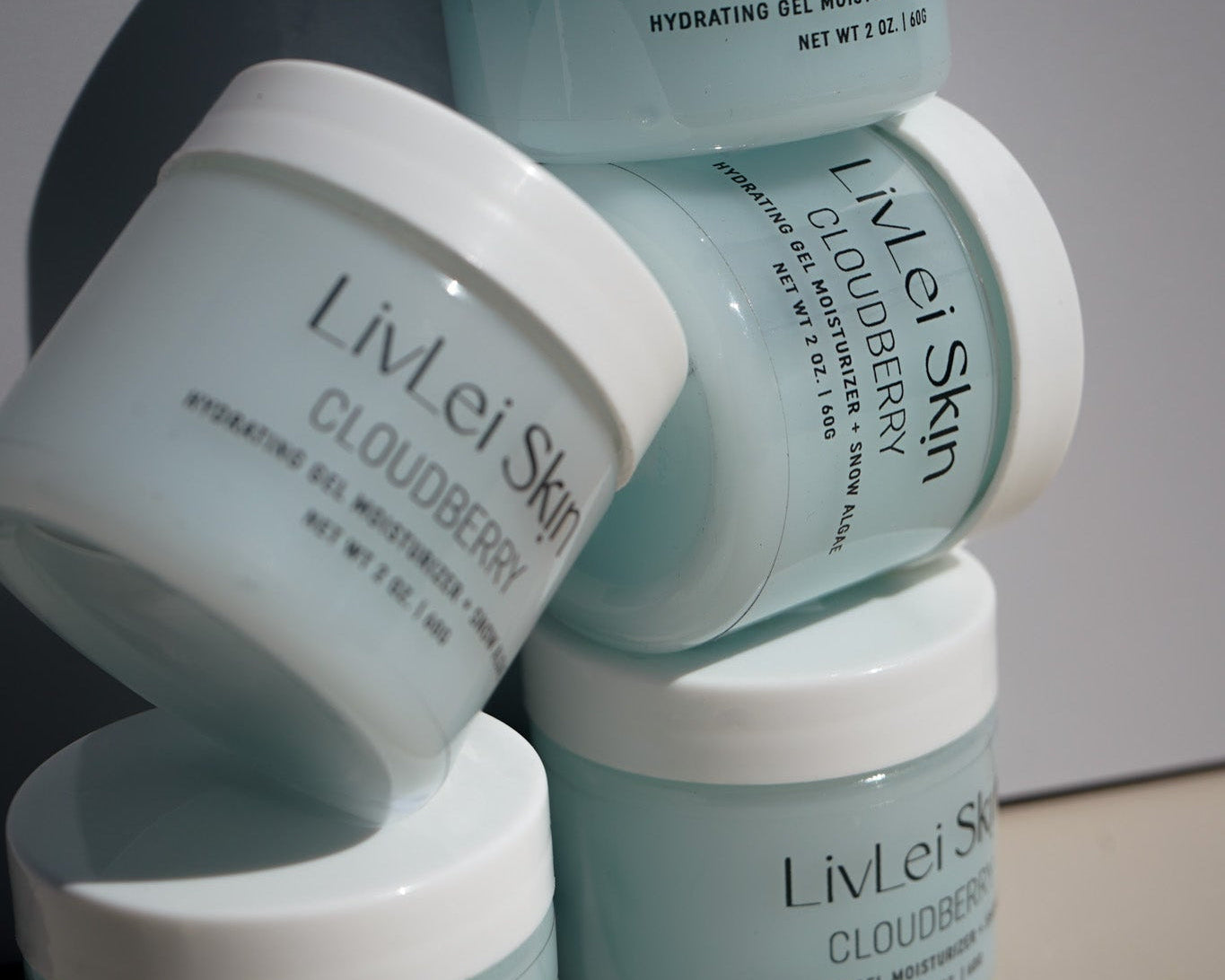
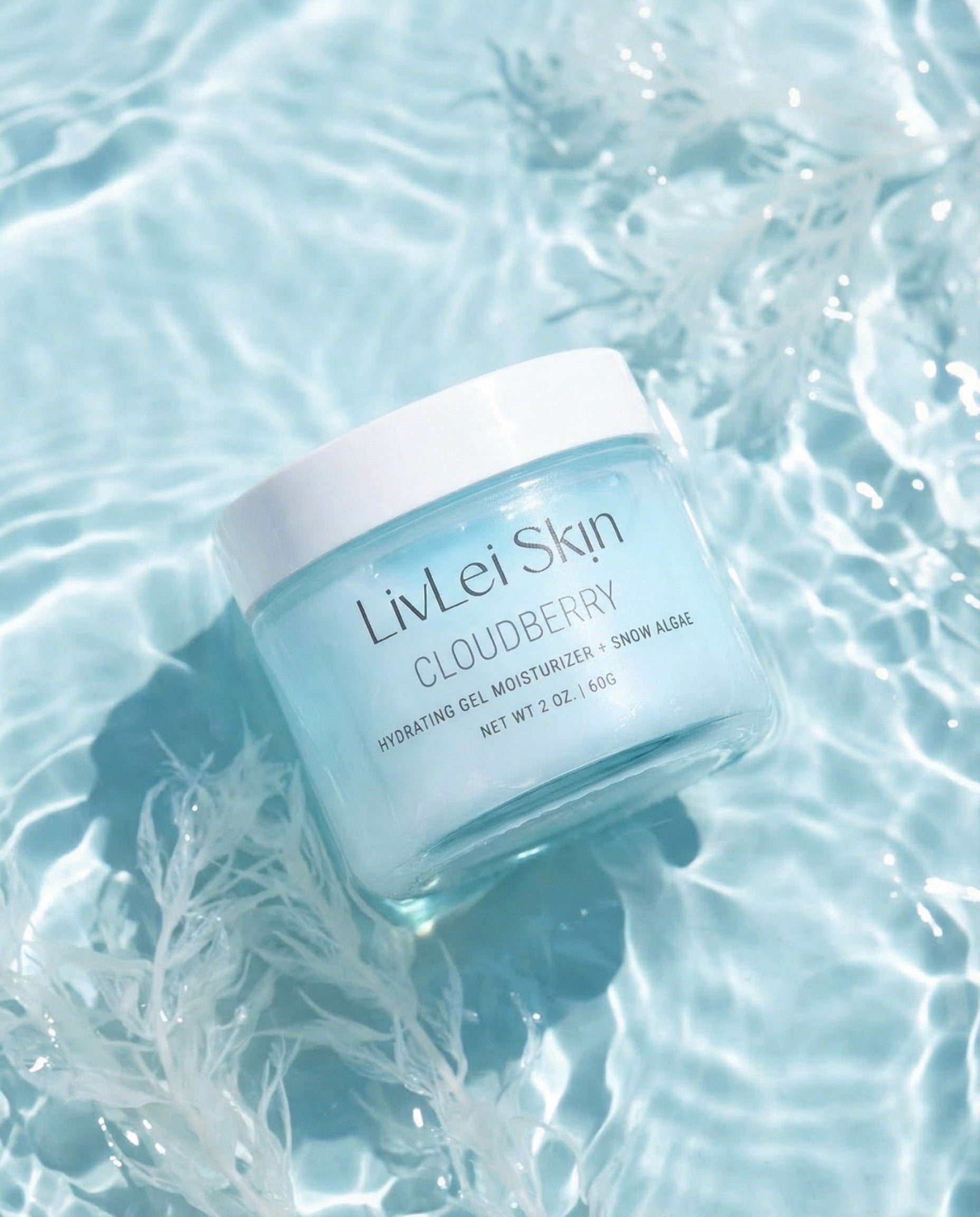
The LivLei Cloudberry Hydrating Gel Moisturizer was formulated to meet all four of these requirements. The sugar complex of Xylitylglucoside and Xylitol provides day-long moisture regulation beyond the initial application. Cloudberry Fruit Extract delivers omega fatty acids that give the formula emollient depth without heavy oil content. Snow Algae Extract provides cellular resilience activity through FOXO activation that builds over weeks. Sodium Ascorbyl Phosphate contributes stable vitamin C for daily antioxidant protection and gradual brightening. Caffeine delivers immediate surface refinement and pore minimization. Aloe Vera Juice provides soothing, calming hydration. The soft matte finish absorbs within sixty seconds and holds SPF evenly for the full morning routine.
Shop the Cloudberry Hydrating Gel Moisturizer at livleiskin.com/products/cloudberry-hydrating-gel-moisturizer-snow-algae.
How to Layer Your Moisturizer Correctly Whether You Choose Gel or Cream
The format you choose for your moisturizer is only one variable in how well it performs. The way you apply it, what you apply underneath it, and what you apply on top of it all influence the result you get from the same formula.
Both gel and cream moisturizers perform significantly better when applied over a hydrating serum. The serum delivers active hydration to the mid-epidermal layers that a moisturizer cannot reach. The moisturizer then seals that hydration in. Without the serum underneath, a moisturizer of either type is doing all the work alone and providing hydration only at the depth it can penetrate from the surface. With the serum underneath, the moisturizer seals what the serum delivered and adds its own emollient and humectant contribution at the surface. The cumulative result is measurably superior to either product used alone.
Apply your moisturizer to skin where the serum has had thirty to sixty seconds to absorb. This ensures the moisturizer is sealing an absorbed layer rather than sitting on top of a wet one, which would reduce the absorption of both products and increase the risk of pilling. For gel moisturizers, press the product evenly across the face and neck in upward strokes. Two to three pumps or a pea-sized amount covers the full face and neck. More than this does not increase hydration. It leaves residue.
For morning use, give your gel moisturizer sixty seconds to fully absorb before applying SPF. A gel that has not fully set will cause SPF to move and distribute unevenly, which produces patchy UV protection. SPF applied over a fully set gel base distributes evenly and adheres properly for the full duration of the morning.
For cream moisturizers applied at night, give the product two to three minutes after application before lying down. A cream that has not begun to absorb transfers to your pillow and provides less benefit to your skin than it would if given adequate time to set. A silk or satin pillowcase reduces this transfer regardless of which moisturizer format you use.
Seasonal Switching: When to Change Your Moisturizer Format
One of the most practical considerations in the gel vs cream moisturizer decision is that the right answer for your skin in January may not be the right answer in July. Environmental conditions change what your skin needs from its moisturizer more than most people realize.
Summer and humid climates increase the case for a gel moisturizer across all skin types. Higher environmental humidity means more ambient moisture is available for humectants to work with, which makes the active drawing mechanism of a gel even more efficient. Higher temperatures increase sebum production slightly in most skin types, which means the additional occlusive load of a cream becomes more problematic in warm months than it is in cold ones. A gel moisturizer that felt insufficient in winter will often feel perfectly calibrated in summer.
Winter and low-humidity climates increase the case for additional emollient support. This does not always mean switching to a cream. Adding a few drops of a lightweight non-comedogenic facial oil over your gel moisturizer provides additional emollient coverage in cold months without the full switch to a heavy cream formula that then needs to be managed for the rest of the year.
If you use air conditioning frequently during summer, recognize that air conditioning creates indoor low-humidity conditions comparable to winter. Heavily air-conditioned environments in summer can cause the same gel-plus-humectant-drawing-from-deeper-layers issue that cold winter air creates. If you spend most of your day in air-conditioned spaces, your summer skin may need more emollient support than it would in a naturally humid environment.
Frequently Asked Questions About Gel vs Cream Moisturizer
Can a gel moisturizer work for dry skin or does it always need a cream?
A gel moisturizer can work effectively for dry skin when it is formulated with the right combination of humectants, emollients, and barrier-repairing actives, and when it is used over a hydrating serum. Dry skin's primary need is for maintained moisture rather than for a heavy texture, and a gel formula that actively draws moisture in and contains emollient components like cloudberry fatty acids addresses that need more precisely than a cream that simply coats the surface with oil. The exception is severely dry or barrier-compromised skin, which genuinely needs the dense occlusive coverage only a rich cream provides during the recovery period.
Why does my skin feel dry an hour after applying gel moisturizer?
This usually has one of three causes. The first is that the gel was applied to completely dry skin in a low-humidity environment, causing the humectants to draw moisture from deeper skin layers rather than from the air. Apply to slightly damp skin and the problem typically resolves. The second is that the gel formula lacks sufficient emollient content to provide any sealing function alongside the humectant activity. The third is that your skin's hydration deficit is significant enough that the serum step is missing or insufficient. Add a multi-weight hyaluronic acid serum underneath your gel moisturizer and apply to slightly damp skin before evaluating whether the format itself is wrong for your skin.
Is a gel moisturizer enough for mature skin?
It depends on where the mature skin sits on the dryness spectrum. Mature skin with normal to oily tendencies benefits from a well-formulated gel moisturizer year-round. Mature skin with significant dryness that has worsened with age due to declining sebum production may need the additional emollient coverage of a cream, particularly in winter. The most reliable approach for mature skin is to start with a gel moisturizer used over a hydrating serum and assess at four weeks. If dryness and tightness persist, add an emollient facial oil over the gel at night before considering a switch to cream.
Does a gel moisturizer work under makeup and SPF?
Yes and it typically works better under makeup and SPF than a cream does. A gel moisturizer that absorbs fully within sixty seconds leaves a clean, even, matte or near-matte surface that SPF distributes across uniformly. Makeup applied over this base adheres evenly and lasts longer because the base is stable rather than still absorbing. A cream that has not fully absorbed creates a slick, slightly moveable surface that causes SPF to distribute unevenly and makeup to slide or separate throughout the day.
How do I know if I should switch from cream to gel moisturizer?
Your cream is likely wrong for your skin if you experience any of the following consistently: midday oiliness or shine that was not present before you started using the cream, congestion or breakouts in areas where you apply it that resolve when you stop, makeup that slips or separates within a few hours of application, or a general heaviness on the skin throughout the day that does not feel like protection but feels like an unabsorbed film. Any of these signals indicate your skin does not need the occlusive load your cream is providing and a well-formulated gel moisturizer would deliver the same sealing and hydration without the side effects.
The Right Choice Is the One That Matches What Your Skin Actually Needs
The gel vs cream moisturizer decision is not a permanent classification or a personality type. It is a functional question that deserves a functional answer based on your skin's actual hydration status, your climate, your routine composition, and your skin's current barrier condition.
For most people with oily, combination, normal, and acne-prone skin types in moderate climates who use a serum underneath their moisturizer, a well-formulated gel moisturizer delivers superior hydration, better SPF compatibility, and a more comfortable daily experience than any cream.
The LivLei Cloudberry Hydrating Gel Moisturizer was formulated to prove that a lightweight gel format can perform at the level most people associate with a rich cream. Cloudberry lipids for barrier repair. Snow Algae for cellular resilience. Vitamin C for brightening. Caffeine for immediate surface refinement. All in a formula that absorbs in sixty seconds and works equally well under SPF in the morning and as a final step at night.
Shop the Cloudberry Hydrating Gel Moisturizer at livleiskin.com/products/cloudberry-hydrating-gel-moisturizer-snow-algae.
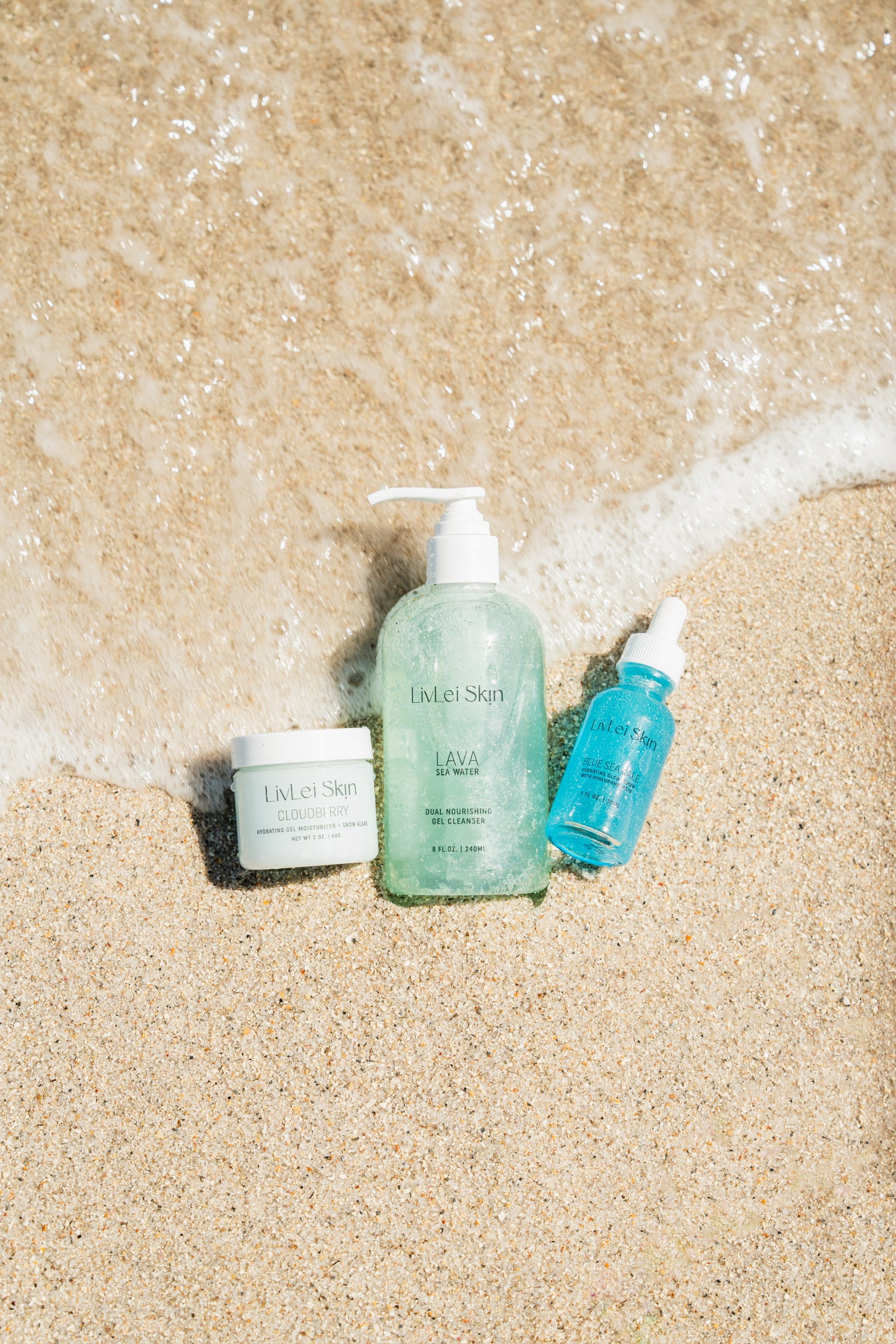
Shop the complete LivLei Splash Collection at livleiskin.com/products/splash-collection.