

Starting a skincare routine when you have never had one is genuinely confusing. Not because skincare is complicated by nature, but because the amount of conflicting information available makes it feel that way. Every brand tells you their product is essential. Every article recommends a different order. Every ingredient sounds either miraculous or dangerous depending on which source you read.
The truth is simpler than any of that. Building a skincare routine from scratch requires understanding three things: what your skin actually needs every day, which product categories deliver those things, and how to choose products within each category that work together rather than against each other. Once you have those three things, the routine builds itself.
This guide covers exactly that. No filler steps. No unnecessary products. No jargon without explanation. By the end you will know how to build a skincare routine that fits your skin type, your lifestyle, and your budget, and that will still be working six months from now because it is built on biology rather than trends.
Why Most Beginners Overbuild Their First Skincare Routine
The first skincare routine most people build is too complicated. Not because they made poor choices but because the information they were using pointed them toward complexity rather than clarity.
Skincare content online is largely produced by brands with products to sell, influencers with affiliate codes to use, and platforms that reward dramatic before-and-after content. None of these sources have an incentive to tell you that three products used consistently will outperform ten products used sporadically. The incentive structure of the skincare content ecosystem points toward more, not less.
The result is first-time routines with toners, essences, vitamin C serums, retinoids, exfoliating acids, eye creams, and sleeping masks, all added because each one sounded individually reasonable. Together, they create a fifteen-minute process that most people abandon within three weeks because it does not fit into real daily life.
When you abandon a complicated routine and your skin returns to its previous state, the instinct is to conclude that skincare is not working. The actual conclusion should be that the routine was not designed to be followed. A routine you do not follow every day produces no results regardless of how well-formulated the individual products are.
When you know how to build a skincare routine properly, you start with the minimum effective steps and add only when your skin tells you something specific is needed. This approach produces better results faster and is sustainable indefinitely because it takes three minutes rather than fifteen.
What Your Skin Needs Every Single Day Without Exception
Before choosing any product, you need to understand what functions your skin requires support with on a daily basis. There are four, and four only.
The first is cleansing. Your skin accumulates oil, dead skin cells, SPF residue, sweat, makeup, and environmental pollution throughout the day and overnight. Removing this buildup is not optional. Products applied to skin with residue on it absorb inconsistently and perform below their potential. A cleanser removes what needs to go while preserving what needs to stay.
The second is hydration. Your skin loses moisture continuously through a process called transepidermal water loss. Even skin that looks oily can be severely dehydrated because oil and water are different things. Providing concentrated hydration through a serum replenishes moisture at the cellular level where surface products cannot reach.
The third is barrier sealing. A moisturizer does not primarily add water to your skin. It seals the water your serum delivered and slows the rate at which it evaporates throughout the day. Without this step, the hydration from your serum dissipates within a few hours and your skin returns to its previous state by midmorning.
The fourth is UV protection. Ultraviolet radiation is the primary cause of visible skin aging, hyperpigmentation, collagen breakdown, and skin cancer risk. SPF applied every morning is not a cosmetic preference. It is the single most impactful protective step in any skincare routine regardless of skin type, age, or concern.
These four functions require four products in the morning: a cleanser, a serum, a moisturizer, and SPF. At night, the SPF step is removed and the cleanser works harder to remove the day's accumulated SPF and environmental residue. That is the complete framework for how to build a skincare routine that covers everything your skin genuinely needs.
How to Choose a Cleanser That Does Not Undo Everything Else
The cleanser is the most consequential product in any routine because it sets the condition for every product that follows. A cleanser that strips your skin's natural oils and disrupts your acid mantle pH sends your barrier into recovery mode before your serum and moisturizer have been applied. Both of those products then spend their activity repairing barrier damage rather than delivering the treatment they were formulated for.
The right cleanser for daily use removes everything that should be removed and leaves everything that should stay. This means effective removal of SPF, makeup, excess sebum, and surface debris without stripping the lipid matrix that holds your barrier together and without disrupting the slightly acidic pH that keeps your skin's defense system functioning.
When building a skincare routine from scratch, the most common cleanser mistake is choosing one based on how clean it makes your skin feel immediately after rinsing. A tight, squeaky-clean feeling after cleansing is not a sign of thorough cleaning. It is a sign of barrier stripping. Your skin should feel comfortable and balanced the moment you pat it dry, not tight or dry or in need of immediate moisturizer to feel normal again.
Gel oil cleansers are particularly effective for daily use because they solve two cleansing problems simultaneously. On dry skin, the oil components dissolve oil-based residue including SPF and makeup through direct contact. When water is added, the formula emulsifies into a gentle lather that lifts all the dissolved buildup cleanly. The surfactants used in a well-formulated gel oil cleanser are amino acid-derived rather than sulfate-based, which means they clean effectively without the pH disruption and lipid stripping that makes so many cleansers too harsh for daily use.
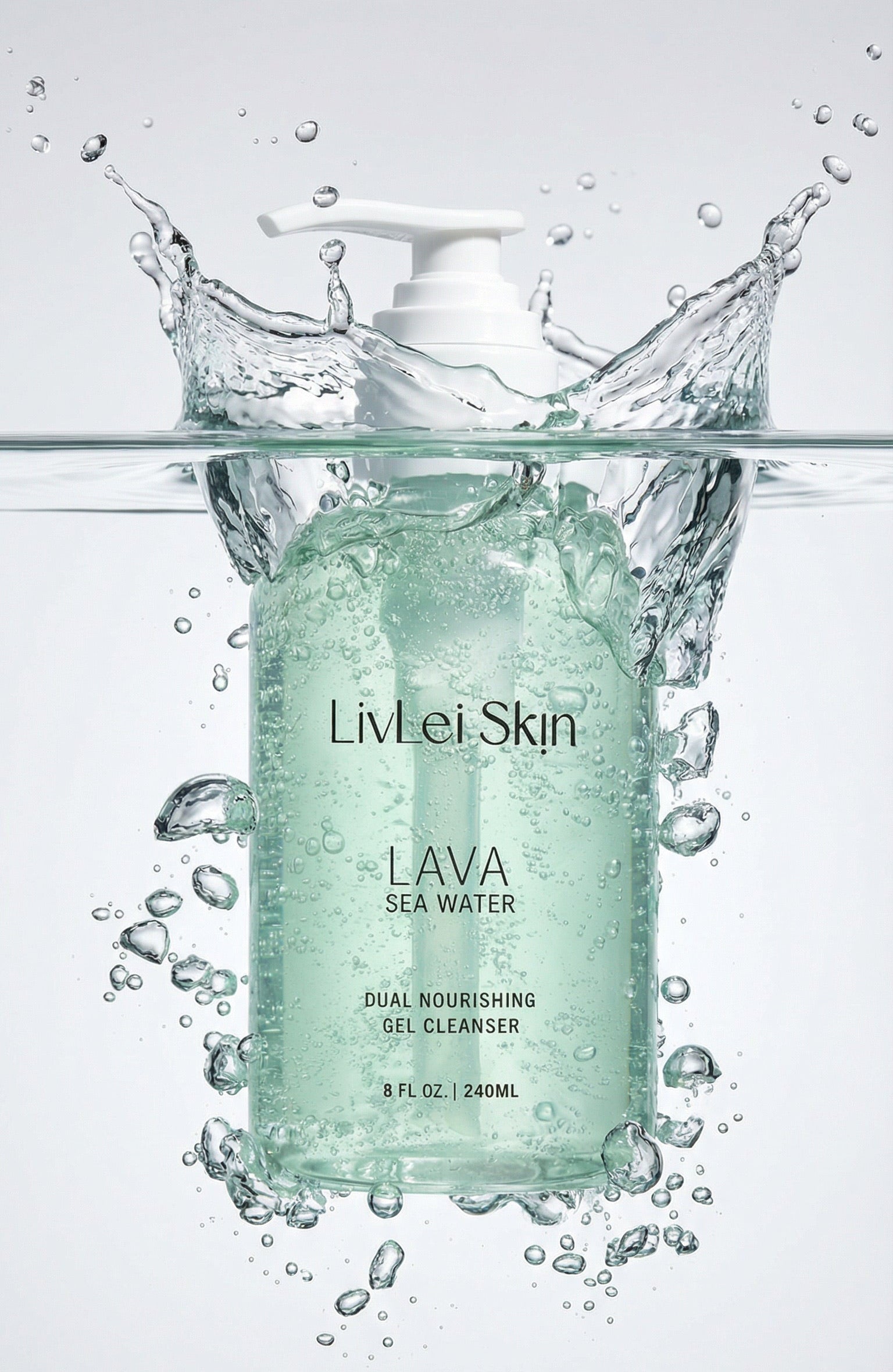
The LivLei Lava Sea Water Dual Nourishing Gel Cleanser applies these principles with marine botanicals that actively support the skin during the cleansing step itself. Sea water replenishes trace minerals. Spirulina Platensis extract calms inflammation. Undaria extract supports moisture retention. Camellia Seed Oil dissolves buildup without congesting. Your skin finishes clean, balanced, and ready for the next step.
Apply to dry skin. Massage for thirty to sixty seconds. Add water to activate the lather. Rinse with warm water. Pat dry.
Shop the Lava Sea Water Dual Nourishing Gel Cleanser at livleiskin.com/products/lava-sea-water-dual-nourishing-gel-cleanser.
How to Choose a Serum That Delivers Results Rather Than Just Ingredients
The serum step is where most beginners make their biggest investment and their biggest mistake. They choose a serum based on a single hero ingredient that sounds impressive and ignore whether that ingredient is delivered in a formula capable of getting it where it needs to go.
An ingredient list is not a guarantee of results. What matters is the ingredient's molecular size relative to the skin's barrier, its concentration in the formula, the pH at which it is delivered, and whether the other ingredients in the formula support or undermine its function. A serum with ten hero ingredients at trace concentrations delivers none of them effectively. A serum with three well-chosen actives at meaningful concentrations in a compatible delivery base delivers all three.
When you are learning how to build a skincare routine for the first time, the serum step should cover hydration at multiple depths as its primary function. Everything else, brightening, firming, anti-aging treatment, is secondary for beginners and can be addressed once the hydration foundation is established. Skin that is consistently well-hydrated at the cellular level looks brighter, feels more resilient, and responds better to any additional actives you introduce later. Skin that is chronically dehydrated makes every other treatment less effective and harder to evaluate.
Multi-weight hyaluronic acid is the most important hydration active to look for in a beginner serum. Different molecular weights of hyaluronic acid operate at different depths in the skin. High molecular weight HA creates surface plumpness. Low molecular weight hydrolyzed HA penetrates to the mid-epidermal layers. Sodium hyaluronate covers the range between them. A serum with all three delivers hydration to every layer the product can reach, which is measurably different from a serum with only one form.
Peptides in a serum add a long-term benefit that complements the immediate hydration function. They signal the skin to support its own structural proteins over time. For beginners building a routine from scratch, a serum that combines multi-weight hyaluronic acid with a peptide covers both immediate hydration and long-term skin quality improvement in a single step.
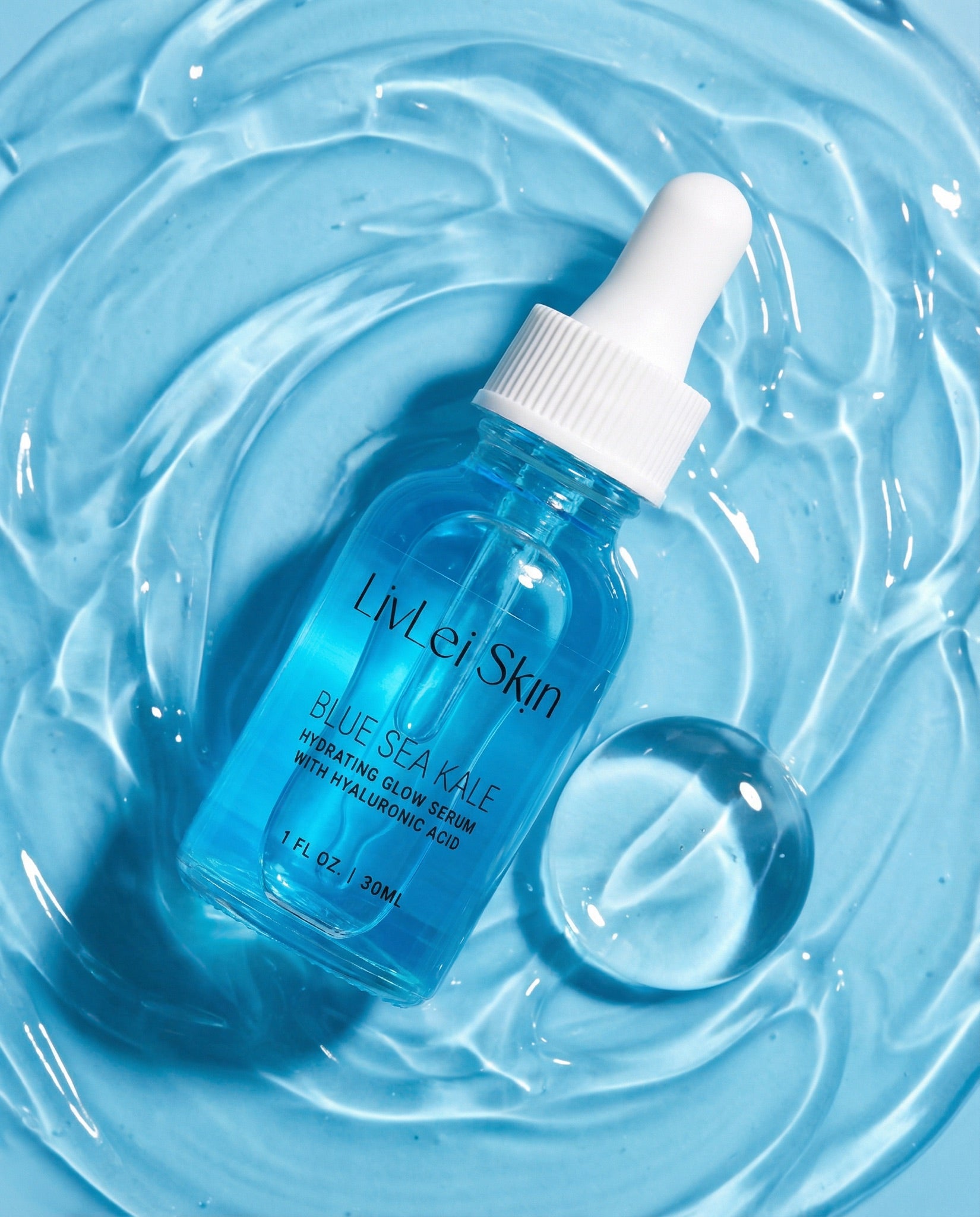
The LivLei Blue Sea Kale Hydrating Glow Serum was formulated around exactly this principle. Its bi-phase formula shakes to combine a water phase delivering multi-weight hyaluronic acid with an oil phase delivering Blue Sea Kale extract, Gardenia Stem Cells, Raspberry Leaf Extract, and Palmitoyl Tripeptide-5. The result is layered hydration, antioxidant protection, and peptide activity in three to five drops applied twice daily. Shake before use, press into slightly damp skin after cleansing, allow thirty to sixty seconds to absorb.
Shop the Blue Sea Kale Hydrating Glow Serum at livleiskin.com/products/blue-sea-kale-hydrating-glow-serum.
How to Choose a Moisturizer That Actually Seals Rather Than Just Sits
The moisturizer step is the most misunderstood step for beginners because the relationship between texture and effectiveness is genuinely counterintuitive. Heavy creams feel like more. They feel richer, more nourishing, more substantial. For most skin types, they deliver less than a lightweight gel moisturizer applied consistently because they sit on the skin's surface rather than absorbing into it.
A moisturizer works by creating a semi-occlusive layer that slows transepidermal water loss. It does not need to be heavy to be occlusive. A well-formulated lightweight gel moisturizer with the right emollient and humectant combination seals moisture as effectively as a heavy cream for most skin types while absorbing fully, leaving no residue, and creating a clean, even base for SPF in the morning.
When you are building a skincare routine from scratch, choosing a moisturizer that works equally well morning and night simplifies your routine without compromising results. You do not need a separate day cream and night cream unless your skin has a specific concern that requires different actives at different times of day. For most beginners, one moisturizer used twice daily is the right approach.
For oily and combination skin types specifically, a lightweight gel moisturizer is not just preferable. It is the only category of moisturizer that will not exacerbate the concerns you are trying to address. Heavy creams on oily skin create congestion and accelerate midday oiliness. A gel moisturizer provides the barrier sealing and hydration oily skin needs without adding the occlusive weight that triggers compensatory oil production.
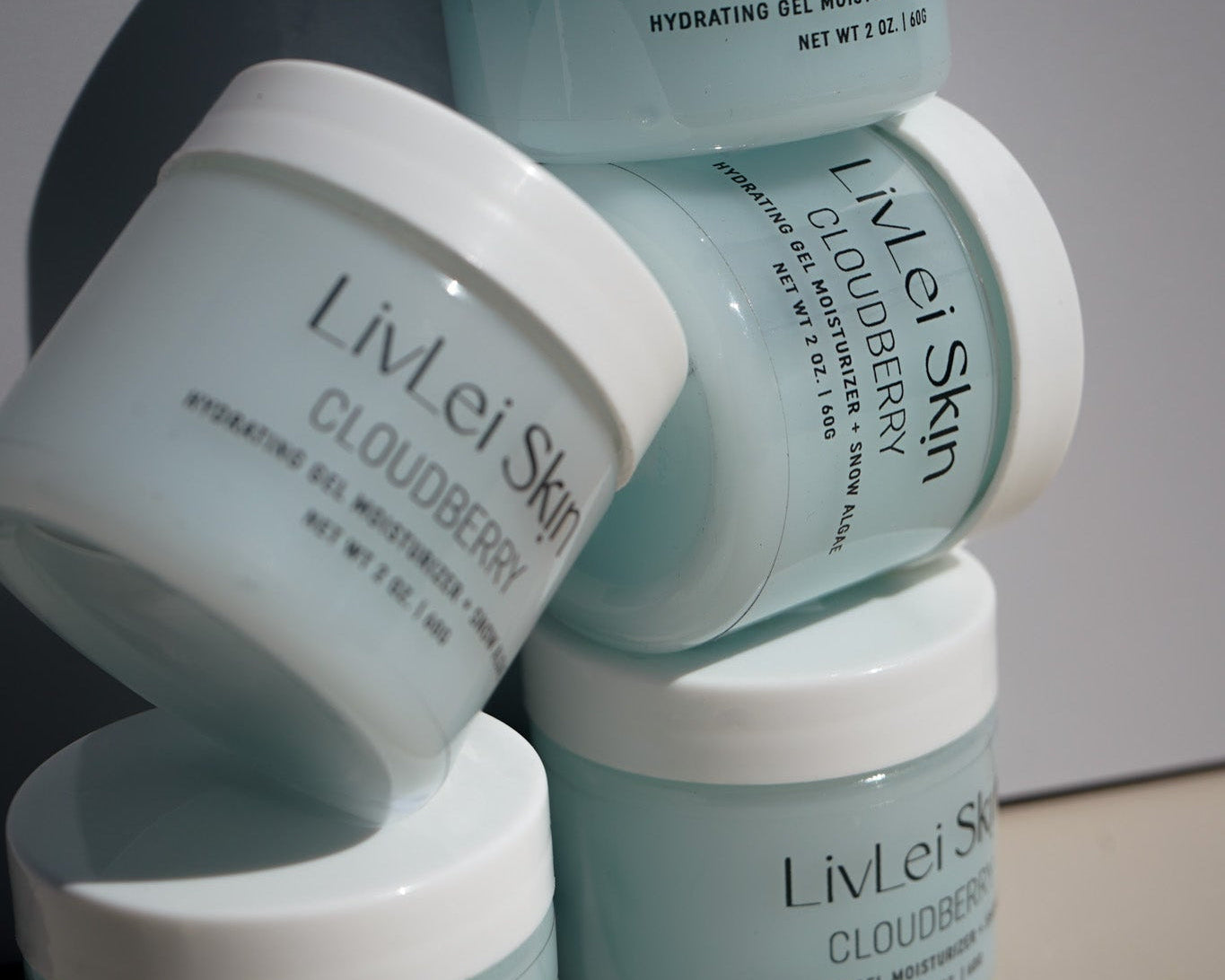
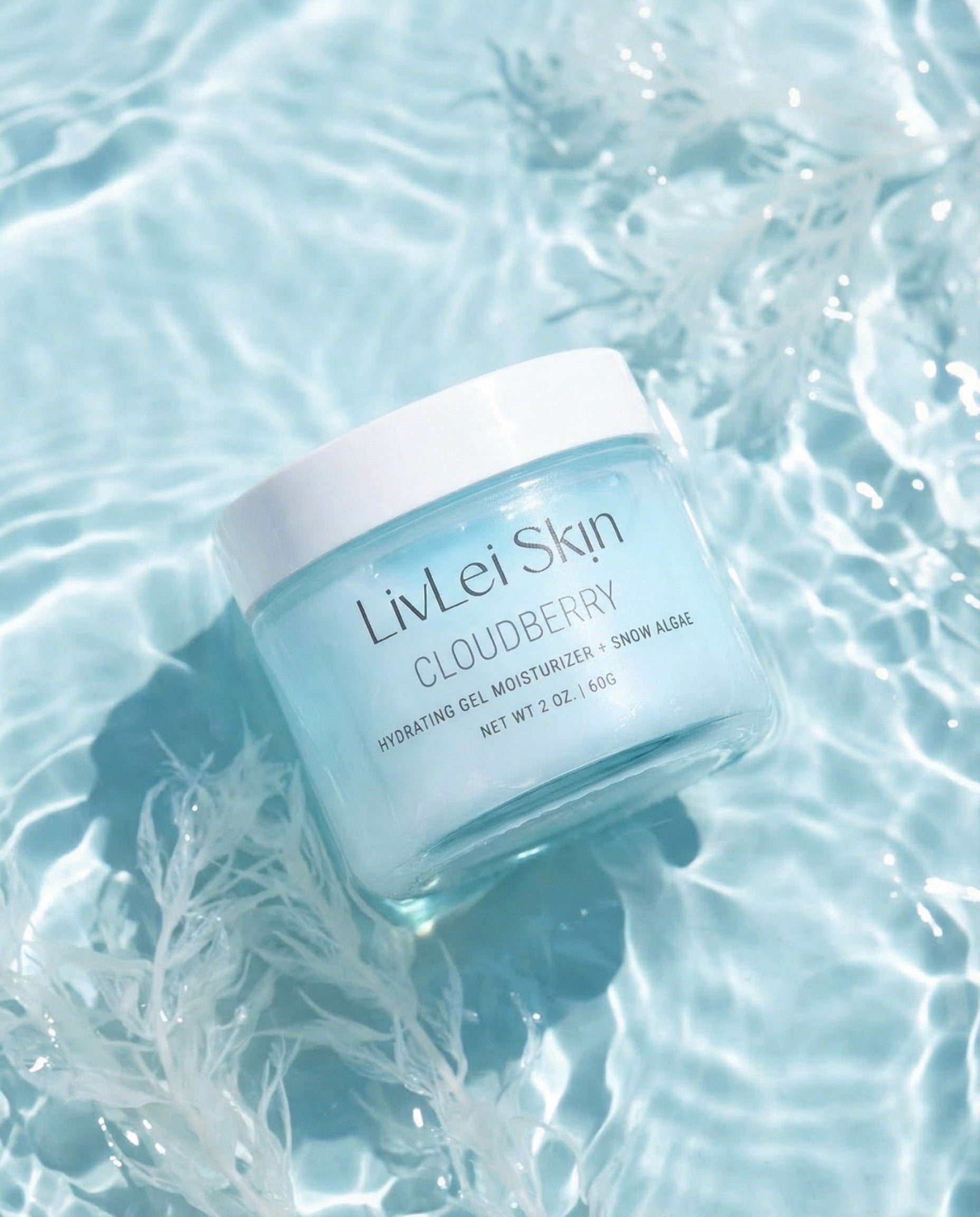
The LivLei Cloudberry Hydrating Gel Moisturizer covers the moisturizer step for all skin types with a formula that seals the routine while actively contributing barrier repair and brightening benefits. Cloudberry Fruit Extract provides omega fatty acids that repair the barrier's lipid structure. Snow Algae Extract activates cellular resilience pathways that help the barrier maintain its integrity under environmental stress. Sodium Ascorbyl Phosphate vitamin C brightens gradually with consistent use. Caffeine tightens and refines the surface immediately. The soft matte finish makes it ideal under SPF in the morning and as a final step at night.
Shop the Cloudberry Hydrating Gel Moisturizer at livleiskin.com/products/cloudberry-hydrating-gel-moisturizer-snow-algae.
How to Layer Your Products in the Right Order Every Time
Product layering order is one of the most commonly asked questions by beginners building a skincare routine for the first time. The rule is simple once you understand the logic behind it: apply products from thinnest to thickest consistency, starting with the ones that need direct skin contact to absorb and ending with the ones that seal everything underneath.
Cleanser goes first because your skin needs to be clean before any product can absorb properly. Serum goes second because its small molecules need direct access to clean skin to penetrate the layers they are designed to treat. Moisturizer goes third because it is thicker than the serum and its job is to sit on top of the serum layer and seal it in rather than penetrate past it. SPF goes last in the morning because it works by sitting on the skin's surface as a physical or chemical barrier and needs an intact, finished base to distribute evenly.
The timing between steps matters as much as the order. Between cleanser and serum, wait ten to fifteen seconds so your skin is slightly damp but not wet. This moisture helps humectants in the serum draw water into the skin rather than from deeper layers. Between serum and moisturizer, wait thirty to sixty seconds for the serum to absorb so the moisturizer seals a fully absorbed layer rather than sitting on top of a wet one. Between moisturizer and SPF, wait sixty seconds for the moisturizer to fully set before applying sunscreen over it.
Rush these intervals and you get pilling, where products ball up on the skin's surface because they have not had time to absorb before the next layer goes on. You also get reduced efficacy because layers that have not fully absorbed do not allow the next product to reach the skin directly.
The total time for a morning routine following these intervals is approximately four minutes. The evening routine takes slightly longer because of the more thorough dry-skin cleansing step needed to remove SPF. Both sessions together add up to approximately seven to eight minutes daily.
The Mistakes Most Beginners Make When Building a Skincare Routine
Knowing how to build a skincare routine is only half the challenge. The other half is avoiding the habits that undermine a well-chosen routine before it has the chance to work.
Switching products too early is the most common mistake by a significant margin. Most people evaluate a new routine at two weeks. Two weeks is not enough time to see the results that a new routine produces. Your skin completes one full renewal cycle in twenty-eight to forty days. Meaningful changes in texture, hydration, and complexion quality develop over one to two full cycles, meaning four to eight weeks of consistent use. Switching at two weeks because you do not see dramatic change is abandoning a routine before it had the chance to prove itself.
Adding too many products too quickly is the second most common mistake. Once you have a working three-step routine, the temptation to add a vitamin C serum, a retinoid, an exfoliating toner, and a face oil is strong because each one sounds individually beneficial. Adding multiple actives at once makes it impossible to identify what is helping and what is causing any reaction that develops. If you want to add something beyond the core three products, add one new product, wait four weeks, and evaluate before adding anything else.
Inconsistent use is the third mistake and the most damaging to results. A routine used five days out of seven delivers roughly 70 percent of the results of the same routine used every day. Skin repair and renewal are continuous processes. Gaps in the routine create gaps in the results. A three-step routine that takes four minutes in the morning and three at night needs to happen every day to produce the outcomes the products are designed to deliver.
Skipping SPF because it is cloudy or because you are staying indoors is the fourth mistake. UV radiation penetrates clouds and glass. Sitting near a window during the workday delivers meaningful UV exposure to whatever skin is facing the light. SPF in the morning is not weather-dependent or location-dependent. It is a non-negotiable daily step regardless of what your day looks like.
How to Tell If Your Skincare Routine Is Working
Once you have built your skincare routine from scratch and committed to eight weeks of consistent twice-daily use, knowing what progress looks like helps you evaluate accurately rather than prematurely abandoning something that is working or continuing something that is not.
At week one, you should notice a change in how your skin feels after cleansing. If your cleanser is right for your skin type, the tight or stripped feeling you may have experienced with a previous cleanser should be gone. Softness from the serum's hyaluronic acid typically shows up within the first three to four days.
At weeks two and three, texture improvements become visible. Your complexion looks more even because consistently hydrated skin cells reflect light more uniformly than dehydrated ones. If you had midday oiliness, it may begin to regulate as your barrier stabilizes and stops overproducing oil in response to stripping.
At weeks four to six, the cumulative benefits of the serum's peptides and the moisturizer's barrier-repairing actives become measurable. Fine lines appear softer because the skin is genuinely more hydrated at every layer. Vitamin C from the moisturizer begins contributing to a more even skin tone. Overall complexion quality improves in the way that is most accurately described as your skin looking like itself on its best day rather than looking like a product has been applied to it.
At week eight, you have a complete picture. Your skin has completed at least one full renewal cycle with consistent product input. The changes you see at this point are the baseline result of your routine working as intended. If something specific still concerns you after eight weeks of a stable three-step routine, that is the right time to consider one targeted addition.
How the LivLei Splash Collection Makes Building a Skincare Routine Simple
One of the practical challenges of building a skincare routine from scratch is that most products are sold by different brands with different pH levels, different emollient bases, and different active ingredient philosophies that may or may not work together. Choosing each product independently increases the risk of incompatibility and makes it harder to attribute results to specific products when something works or does not.
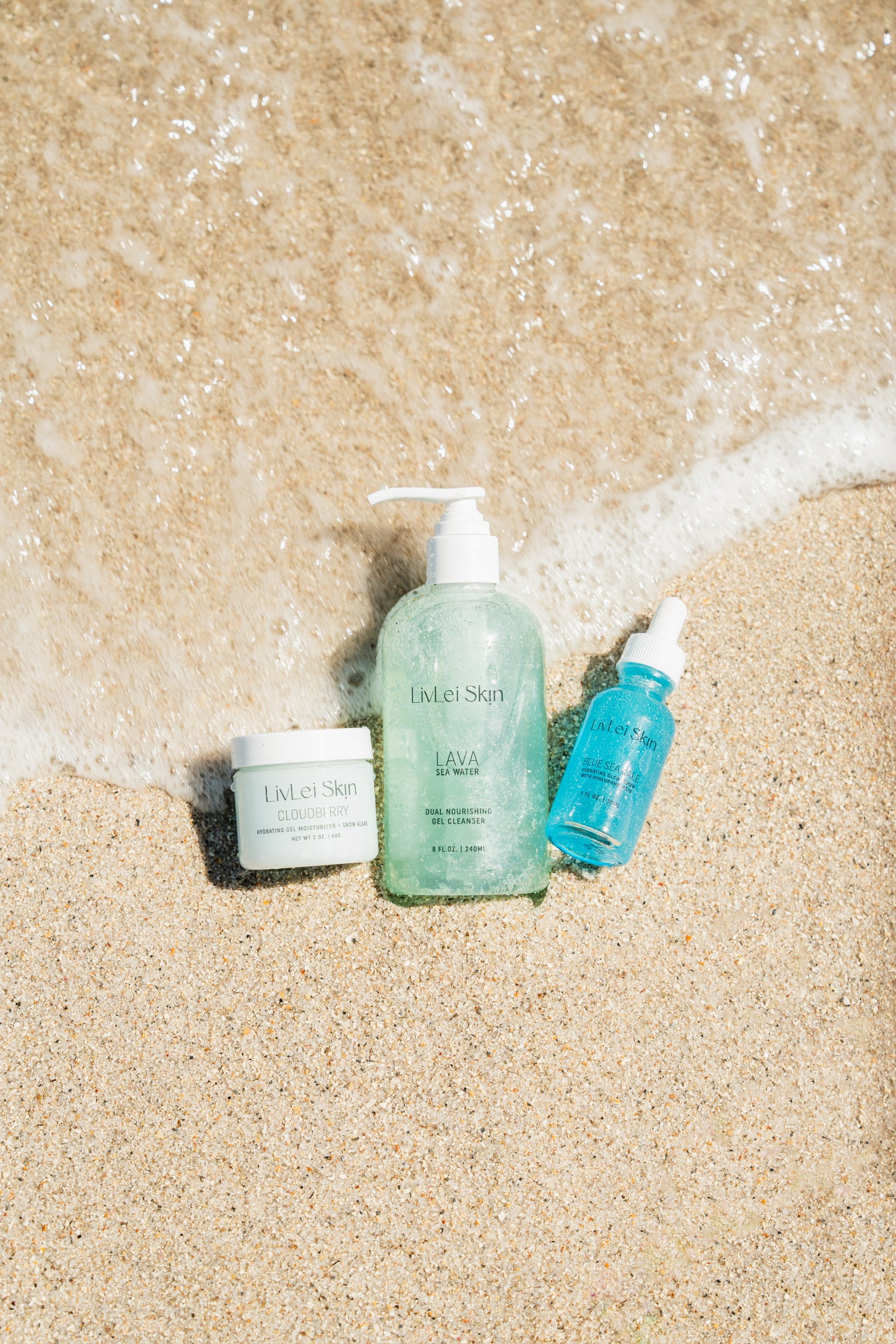
A three-product system designed to function together removes this challenge entirely. The LivLei Splash Collection includes the Lava Sea Water Dual Nourishing Gel Cleanser, Blue Sea Kale Hydrating Glow Serum, and Cloudberry Hydrating Gel Moisturizer. All three share a marine and botanical ingredient philosophy, compatible pH levels, and an emollient base that layers cleanly without pilling or interference.
Each product was designed knowing what the other two contribute. The cleanser preserves the skin condition the serum needs to absorb properly. The serum delivers the hydration the moisturizer was designed to seal. The moisturizer provides the barrier support that makes the cleanser's gentleness sustainable over time. Together they form a complete system that covers every function your skin needs twice daily in three products and approximately seven minutes.
All three are vegan, formulated for all skin types, and built around ocean-derived and plant-based actives chosen for documented functional benefit rather than label appeal. The Splash Collection is available at a saving compared to purchasing each product individually.
Shop the complete Splash Collection at livleiskin.com/products/splash-collection.
Frequently Asked Questions About How to Build a Skincare Routine
How many products do I actually need when I start a skincare routine from scratch?
Three products cover every daily function your skin needs when you are starting out: a cleanser, a hydrating serum, and a moisturizer. A fourth product, SPF, is added in the morning only and is non-negotiable regardless of skin type or concern. Everything beyond these four should be added one at a time only when a specific confirmed skin concern remains unresolved after six to eight weeks on the core routine. Starting with three products and building from there based on what your skin shows you is the approach that produces the most consistent results and the fewest reactions because you always know which product is responsible for any change you observe.
Does skin type change how I build a skincare routine?
Skin type influences which products you choose within each category rather than how many steps you include. All skin types benefit from cleansing, serum hydration, and moisturizer barrier sealing twice daily. Oily skin needs a non-comedogenic gel moisturizer rather than a heavy cream. Dry skin benefits from a serum with multi-weight hyaluronic acid followed by a moisturizer with barrier-repairing lipids like cloudberry fatty acids. Sensitive skin needs a cleanser with amino acid surfactants rather than sulfates and a serum and moisturizer free of fragrance and harsh actives. The three-step structure stays the same across all skin types. The formulas within that structure adapt.
Should I use the same products morning and night when building a skincare routine?
Yes, for most skin types and for most beginners. Using the same cleanser, serum, and moisturizer twice daily provides consistent input your skin can respond to predictably. The meaningful difference between morning and night use is not which products you use but how you use them: the evening cleanse works harder to remove SPF and the morning routine ends with SPF where the evening routine does not. If you eventually introduce a retinoid or exfoliating acid, those are night-only additions that go between the cleanser and serum steps. But your core three products stay the same at both ends of the day.
How do I know if a product is breaking me out versus just purging?
Purging happens when a new active ingredient accelerates your skin's natural cell turnover cycle, bringing clogged material to the surface faster than usual. It looks like small whiteheads or pimples in areas where you normally break out and it resolves within two to four weeks. Breakouts from a product that does not suit your skin look different: they appear in new locations, they are more inflamed, and they do not resolve after a month of continued use. If you are building a routine from scratch with products that do not contain retinoids or exfoliating acids, purging is unlikely. Breakouts that appear in the first two weeks are more often a sign that a specific ingredient in a new product is comedogenic or irritating for your skin type.
What should I do if my skin feels worse after starting a new skincare routine?
Stop all new products and return to the most basic version of your routine: a gentle cleanser and a simple moisturizer with a short ingredient list. Give your skin one week to stabilize before reintroducing products one at a time with a minimum of five days between each reintroduction. This process of systematic reintroduction identifies which specific product is causing the issue. The most common culprits are cleansers that strip the barrier, fragranced products used twice daily, and formulas with multiple actives that individually are fine but together are too much for your skin's current tolerance. Once you identify the trigger, you can substitute that product for one with a compatible but less reactive formulation.
Start Simple. Build From Evidence. Keep What Works.
Every complicated skincare routine started as a simple one that someone decided to improve before it had finished working. The most common skincare mistake is adding complexity before the foundation is stable.
When you know how to build a skincare routine from scratch, you start with three products, use them consistently for eight weeks, and let your skin tell you what it needs next. Most of the time the answer is nothing. A cleanser that works, a serum that hydrates at the right depth, and a moisturizer that seals without congesting produces the healthy, glowing skin that most people are chasing with routines three times as complicated.
The LivLei Splash Collection was built for exactly this starting point. Three products. One system. Everything your skin needs and nothing it does not.
Shop the Splash Collection at livleiskin.com/products/splash-collection and build your routine the right way from day one.