

Most skincare ingredients come from predictable places. Roses grown in Bulgaria. Argan trees in Morocco. Hyaluronic acid synthesized in a laboratory. The origin stories are familiar and the ingredient science, while genuinely useful, rarely surprises anyone who has spent time reading skincare labels.
Snow algae is different.
It lives in permanent snowfields and glaciers in the Alps, the Himalayas, the Arctic, and the high-altitude mountain ranges of New Zealand. The temperature at its surface never climbs above freezing. UV radiation at these altitudes is among the most intense on earth. There are almost no nutrients available in the snow and ice it calls home. By any reasonable biological standard, nothing should be able to survive in these conditions. Snow algae not only survives but thrives, producing blooms that turn entire snowfields pink and red during summer months.
To do that, it has developed one of the most sophisticated cellular protection systems found in any organism on earth. And those protective compounds, when extracted and applied to human skin, produce benefits that scientists are still fully mapping but that are already visible enough to place snow algae among the most compelling functional ingredients in advanced skincare.
This article covers exactly what snow algae is, how its survival mechanisms translate to skincare benefits, what the clinical research actually shows, and why it belongs in a daily skincare routine rather than in a seasonal treatment.
What Snow Algae Actually Is and Why Its Survival Mechanism Matters for Your Skin
Snow algae is not a single species. It is a category of cold-adapted microorganisms that includes several genera capable of surviving in cryophilic, or cold-loving, environments. The most studied species in skincare applications is Coenochloris Signiensis, a green microalga that produces the secondary carotenoid pigments responsible for the red and pink coloration you see in mountain snowfields during warmer months.
These pigments are not decorative. They are survival tools. At high altitude, UV radiation is significantly more intense than at sea level, with roughly one percent increase in UV intensity per 100 meters of elevation. Coenochloris Signiensis lives at elevations where this UV load would destroy unprotected cells within hours. The carotenoid pigments it produces act as a biological sunscreen, absorbing and neutralizing UV radiation before it damages the cell's DNA and internal machinery.
But UV is only one of the stressors snow algae manages. Extreme cold creates osmotic stress as water freezes inside and outside cells. Nutrient scarcity means the organism must operate with extreme metabolic efficiency. Periodic freeze-thaw cycles as temperatures rise and fall around zero degrees stress the cell membrane repeatedly. Snow algae survives all of these conditions by producing protective compounds that regulate osmotic balance, stabilize cell membranes under temperature fluctuation, and manage oxidative stress from multiple simultaneous sources.
For skincare, the relevance is direct. Human skin faces its own version of these stressors every day. UV radiation causes oxidative damage that breaks down collagen and accelerates visible aging. Environmental pollution generates free radicals that disrupt cell membranes. Temperature changes from heated indoor environments to cold outdoor air stress the barrier. The compounds that allow snow algae to manage these stressors in a glacier are biologically active on human skin facing analogous challenges in daily life.
The Clinical Research Behind Snow Algae Skincare Benefits
Snow algae moved from scientific curiosity to skincare ingredient largely through the work of researchers studying the molecular mechanisms behind extreme organism longevity. The compounds that allow certain organisms to survive extreme environments share functional similarities with proteins associated with human cellular longevity.
The key finding in snow algae skincare research involves a protein called FOXO, a transcription factor associated with the regulation of cellular stress responses, DNA repair, and metabolic efficiency. FOXO activity is directly linked to healthy cellular aging. Organisms with high FOXO activity age more slowly at the cellular level. Compounds that activate FOXO signaling have become a significant area of research in longevity science.
Research on Coenochloris Signiensis extract has shown that it activates FOXO signaling in human skin cells under laboratory conditions. The practical implication is that snow algae extract does not simply protect skin cells from current stress. It activates the cell's own internal mechanisms for managing that stress more efficiently over time. The skin cells essentially behave as they did at an earlier biological age.
Published research on Coenochloris Signiensis extract has also demonstrated measurable improvements in skin density and firmness in human clinical subjects after consistent use, with statistically significant results at eight weeks. The mechanism is both direct, through protection against UV-induced oxidative damage, and indirect, through the FOXO pathway's influence on collagen-related gene expression.
A separate line of research has confirmed snow algae extract's activity in reducing transepidermal water loss, the rate at which moisture evaporates from the skin's surface. By stabilizing the lipid structure of the outer barrier layer, snow algae helps the skin hold on to hydration more efficiently over time rather than simply adding water that then evaporates.
How Snow Algae Skincare Benefits Differ From Other Algae Ingredients
Algae is one of the most broadly used ingredient categories in skincare. Seaweed extracts, spirulina, chlorella, kelp, and dozens of other marine and freshwater algae appear across product ranges from budget to luxury. Understanding how snow algae differs from these more common algae ingredients helps you evaluate what it actually contributes to a formula beyond general algae benefits.
Most algae ingredients in skincare are valued primarily for their mineral content, their polysaccharide chains that hold moisture, or their basic antioxidant activity. These are genuine functional benefits. A moisturizer containing kelp extract delivers mineral nourishment and some barrier support. A serum with spirulina provides anti-inflammatory carotenoids and protein-derived compounds that support skin texture.
Snow algae operates through a different and more specific mechanism. Where common algae ingredients contribute to surface hydration and provide antioxidants that mop up existing free radicals, snow algae extract activates cellular signaling pathways that change how the skin cell itself responds to stress. This is a fundamentally different level of interaction.
The analogy is the difference between giving someone an umbrella in the rain versus training them to be more resilient to weather over time. Common algae ingredients provide protective coverage. Snow algae trains your skin cells to manage stress more efficiently from the inside.
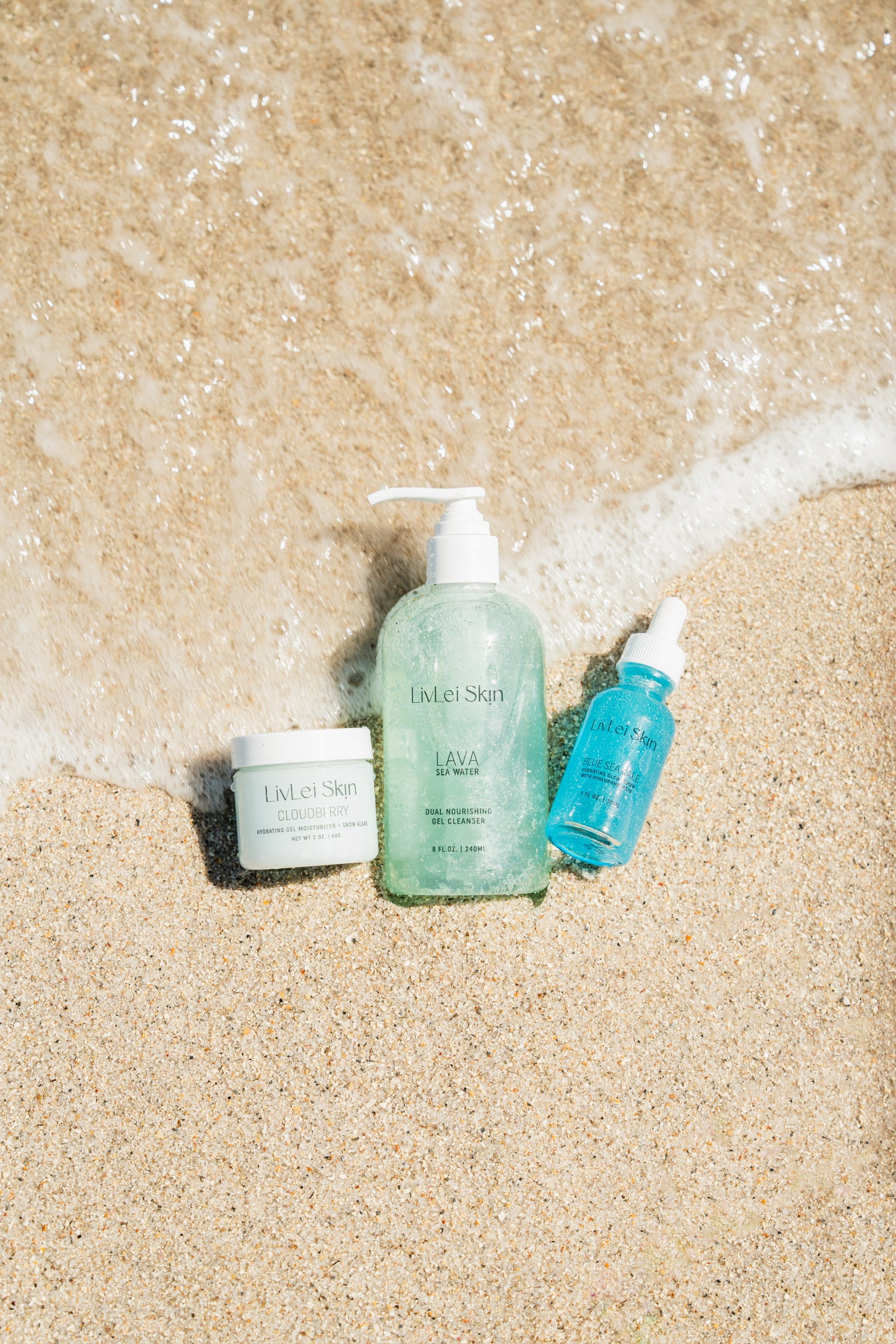
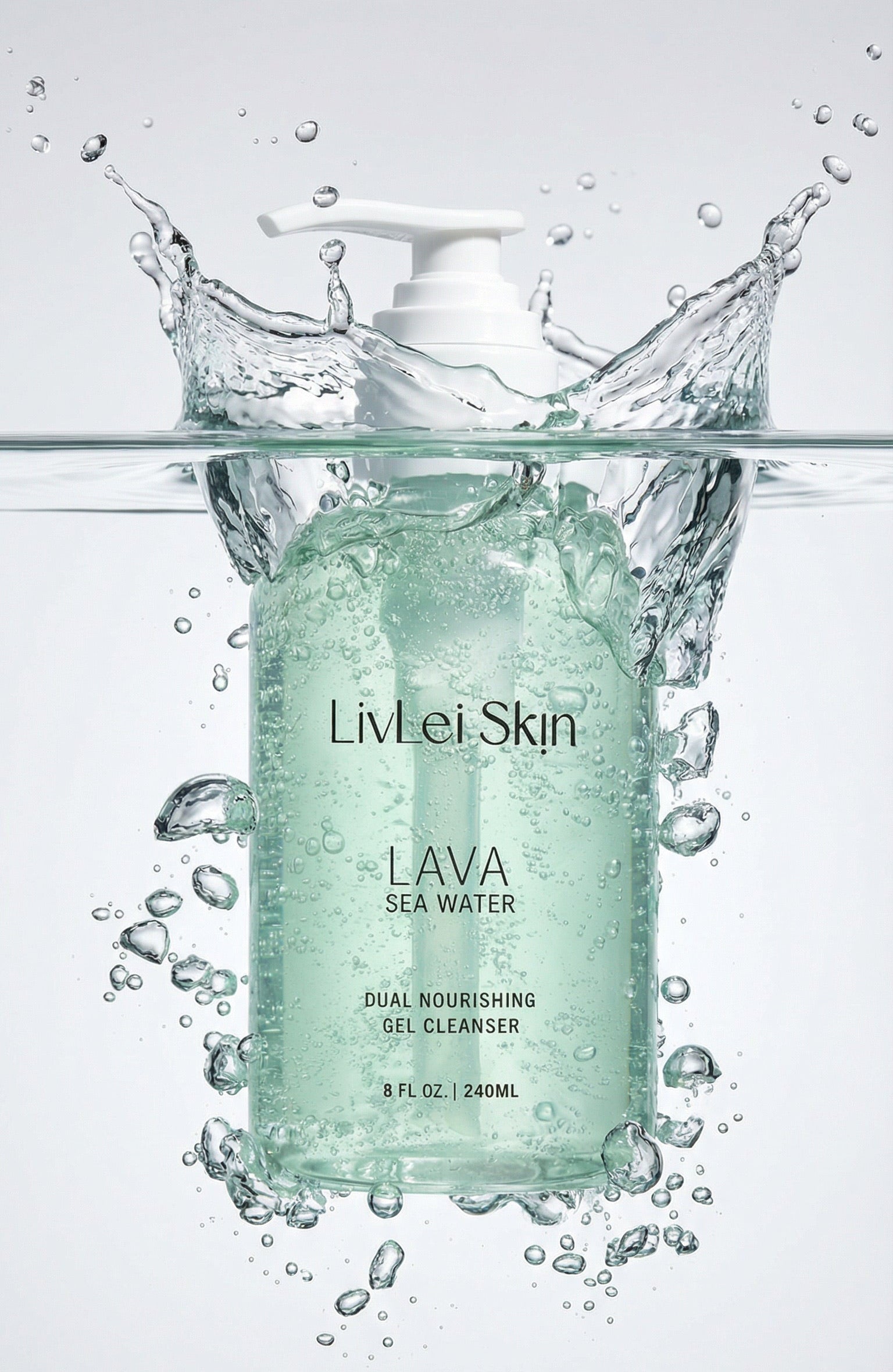
This does not make common algae ingredients irrelevant. The LivLei Lava Sea Water Gel Cleanser contains spirulina, undaria, and other marine algae that provide their own documented benefits. The point is that snow algae's mechanism of action is distinct enough that it cannot be substituted by any other algae ingredient and should not be treated as interchangeable with them.
What Snow Algae Extract Does for Your Skin in Daily Use
The clinical mechanisms translate to four categories of visible and measurable benefit in daily skincare use. Understanding each one helps you set realistic expectations and recognize whether the ingredient is delivering its full potential in a formula.
The first category is antioxidant protection against UV-induced oxidative damage. This benefit is most relevant in morning use when the skin is entering its peak UV exposure period. Snow algae's carotenoid compounds neutralize free radicals generated by UV radiation before they break down collagen, disrupt melanin regulation, or damage cell DNA. This is a preventive benefit. It does not reverse existing damage but it slows the rate of new damage accumulating.
The second category is cellular resilience through FOXO activation. This benefit is cumulative and most relevant during overnight use when the skin's repair cycle is most active. With consistent daily use, skin cells that have been repeatedly exposed to the extract show improved stress response function. They recover from UV and environmental damage more quickly and maintain their structural function for longer. Visible results include improved firmness and a more consistently healthy complexion quality that does not fluctuate as much between good and bad skin days.
The third category is hydration retention through barrier stabilization. Snow algae extract helps maintain the integrity of the lipid matrix in the skin's outer layer, which reduces transepidermal water loss. This benefit compounds over weeks. Each day of consistent use means slightly less moisture escaping and slightly more hydration available for the skin cells that need it. Over a four to six week period, this accumulates into a measurable improvement in skin plumpness and a reduction in the tight, dehydrated feeling that many people experience in the afternoon.
The fourth category is the one most people notice first: an improvement in overall complexion quality that is difficult to attribute to a single mechanism because it results from all three of the above operating simultaneously. Skin that is better protected, more cellularly resilient, and consistently better hydrated has a quality that reads as healthy rather than as the result of any specific treatment. It is the difference between skin that looks good because the products are on it and skin that looks good because it is genuinely functioning well.
Why Snow Algae Belongs in a Moisturizer Specifically
Snow algae extract can theoretically be formulated into any skincare product category. In practice, a moisturizer is the most logical delivery vehicle for its primary mechanism of action, and here is why.
The FOXO activation and cellular resilience benefits of snow algae are cumulative. They require consistent, prolonged contact with the skin to work at the depth where their cellular signaling activity occurs. A cleanser rinses off within sixty seconds of application. A serum absorbs and remains on the skin but is applied in smaller quantities and at higher active concentrations where it competes for absorption time with other actives. A moisturizer is applied in a moderate quantity twice daily and stays on the skin for the longest period of any leave-on product in the routine. It has more contact time per application than any other step.
Contact time is not the only consideration. The emollient base of a moisturizer also creates an optimal environment for the barrier stabilization activity of snow algae. The lipid-compatible compounds in a gel moisturizer base work with snow algae's natural affinity for membrane stabilization, enhancing the ingredient's ability to integrate into the outer barrier layer rather than simply sitting on top of it.
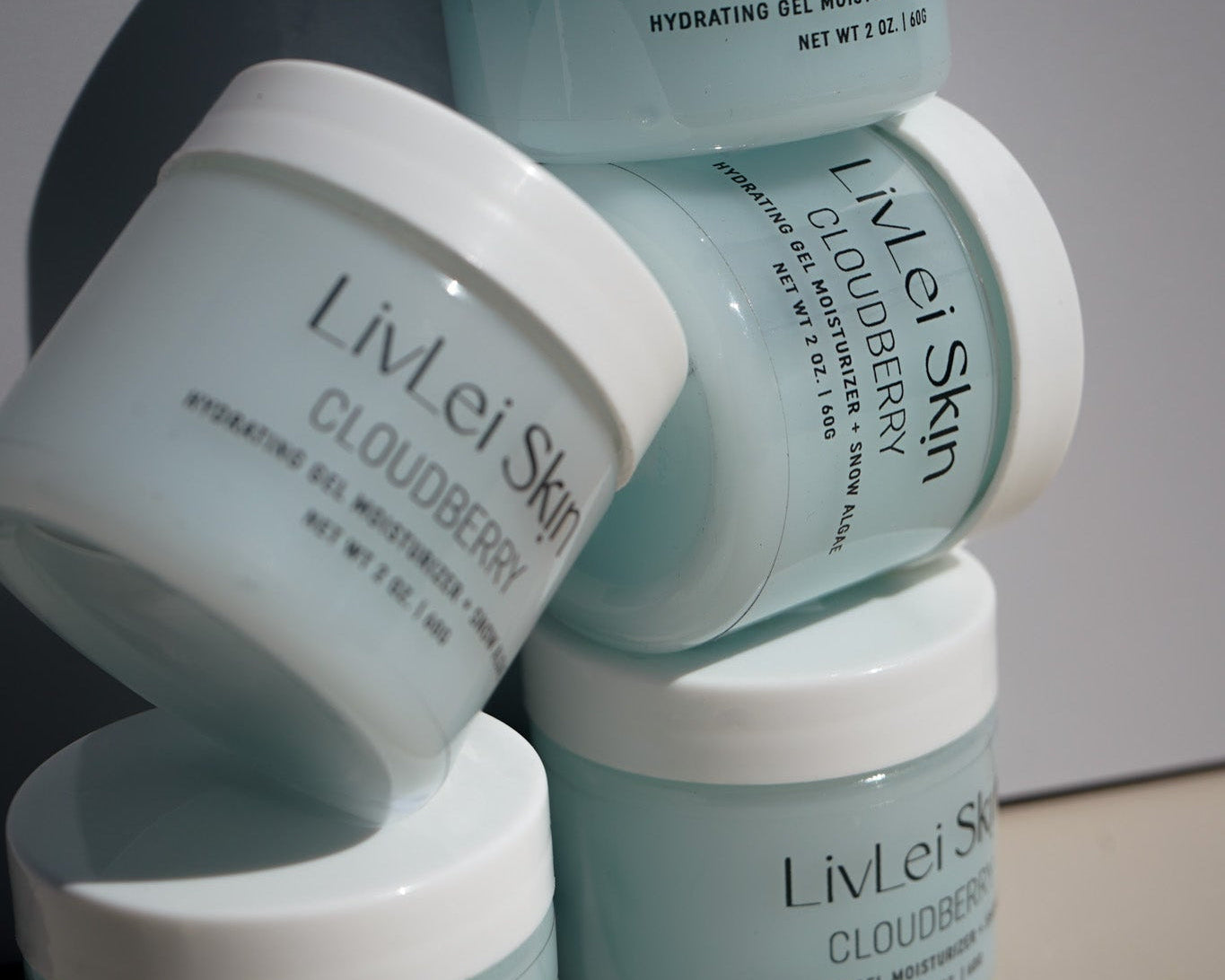
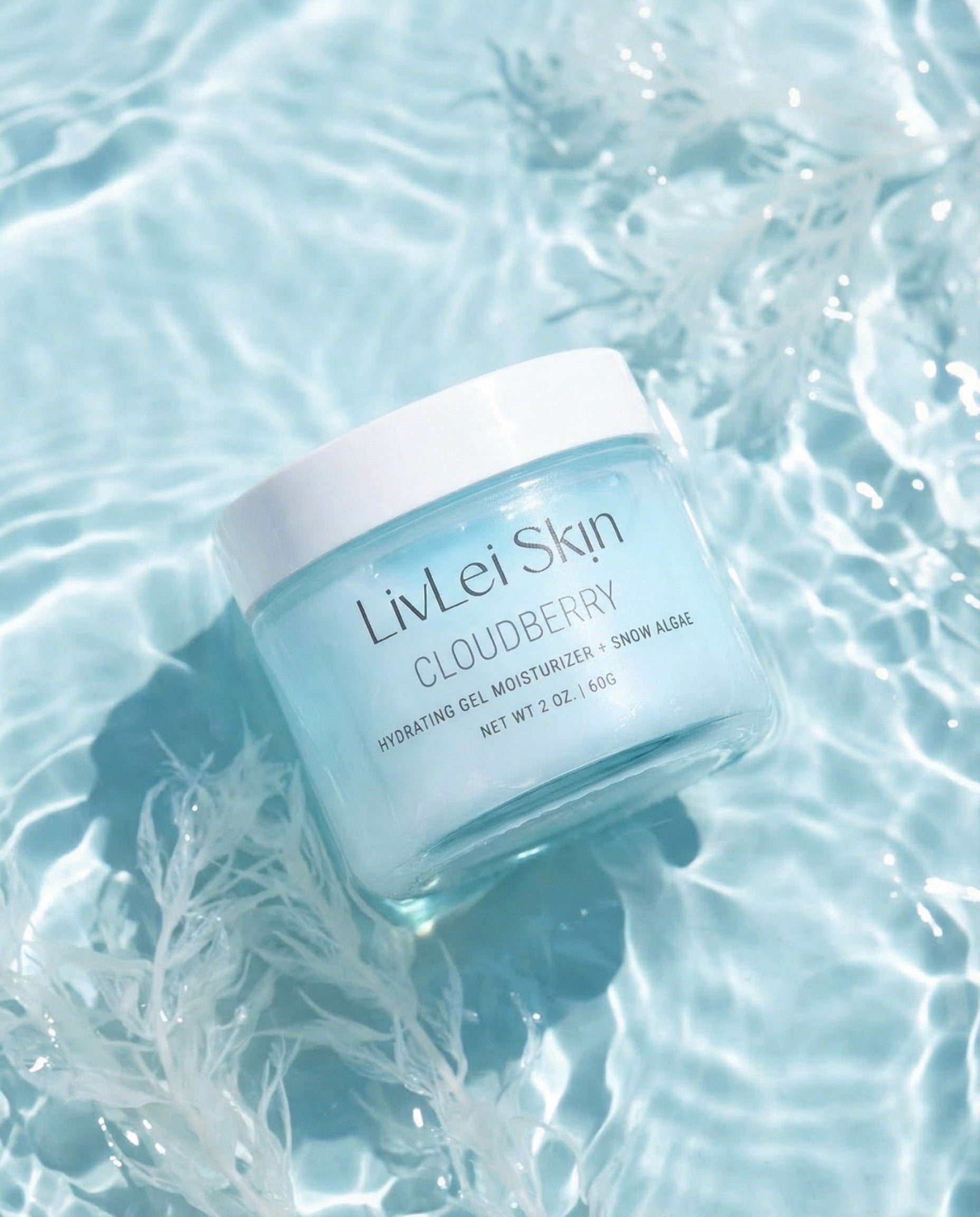
The LivLei Cloudberry Hydrating Gel Moisturizer combines snow algae extract with cloudberry fruit extract in a formula that makes the most of both ingredient's mechanisms. Cloudberry's omega fatty acids repair the barrier's lipid structure. Snow algae stabilizes that repaired structure and activates the cellular resilience pathways that help it maintain its integrity under stress. Sodium Ascorbyl Phosphate vitamin C adds antioxidant protection that complements snow algae's UV defense activity. Caffeine contributes immediate surface refinement. Aloe vera provides soothing and calming hydration.
Each ingredient in the formula is present alongside snow algae because it enhances or complements rather than duplicates its activity. That is what separates a well-formulated moisturizer from one that simply lists impressive ingredients with no logic behind the combination.
Shop the Cloudberry Hydrating Gel Moisturizer with Snow Algae at livleiskin.com/products/cloudberry-hydrating-gel-moisturizer-snow-algae.
How to Maximize Snow Algae Skincare Benefits in Your Routine
Getting the full benefit from snow algae extract requires more than simply purchasing a product that contains it. The way you use the product, when you apply it, and what you layer around it all influence how effectively the extract performs on your skin.
Apply your moisturizer containing snow algae extract to skin that has been properly cleansed and hydrated with a serum first. Clean skin allows the extract's active compounds to reach the barrier without competing with SPF residue or excess sebum. A serum applied underneath provides the hydration foundation that makes the barrier stabilization activity of snow algae more effective. A dehydrated barrier has gaps and inconsistencies that undermine any ingredient's ability to integrate properly.
Apply the moisturizer both morning and night without exception. The cumulative cellular resilience benefit of snow algae builds through consistent twice-daily exposure. Skipping days does not eliminate existing benefit but it does slow the accumulation. An eight-week timeline assumes twice-daily use. Inconsistent use extends the timeline proportionally.
Give the full eight weeks before evaluating. Snow algae's most significant benefits, the FOXO-mediated cellular resilience and the barrier stabilization that reduces transepidermal water loss, are not visible after one week or even two. The antioxidant activity is immediate and working from day one, but you will not see it as a visible change. The firmness and hydration retention improvements that become clearly visible are the result of biological processes that operate on four to six week cycles. Evaluate at week eight with a consistent routine and you will have a clear picture of what the ingredient is doing for your specific skin.
Pair with SPF every morning. Snow algae's UV protective mechanism works as an antioxidant defense inside the skin, not as a physical or chemical UV filter on the surface. It does not replace sunscreen. It works alongside it. The combination of topical SPF blocking UV before it reaches the skin and snow algae neutralizing the UV-generated free radicals that get through provides more comprehensive protection than either alone.
How Snow Algae Compares to Other Popular Anti-Aging Ingredients
It is reasonable to ask how snow algae stacks up against the ingredients most people already know when evaluating whether it deserves a place in a daily routine. Retinol, niacinamide, and peptides are the three most commonly cited science-backed anti-aging actives in mass-market skincare. Understanding the relationship between each of them and snow algae clarifies where the ingredient fits.
Retinol works by accelerating cell turnover and increasing collagen production through direct interaction with retinoic acid receptors. It is one of the most evidence-backed anti-aging ingredients available but comes with a significant trade-off: irritation, sensitivity, and a prolonged adjustment period that makes consistent use difficult for reactive skin types. Snow algae does not accelerate cell turnover. It supports cellular resilience and reduces the rate of stress-induced cellular aging. The two mechanisms are complementary rather than competing and can be used together, but snow algae does not require a tolerance-building phase and produces no irritation.
Niacinamide works primarily by reducing inflammation and improving barrier function through ceramide synthesis support. It is excellent for sensitive skin and for managing redness and congestion. Snow algae's barrier stabilization activity overlaps slightly with niacinamide's function, but the FOXO activation mechanism is entirely distinct and adds a dimension of cellular longevity support that niacinamide does not provide.
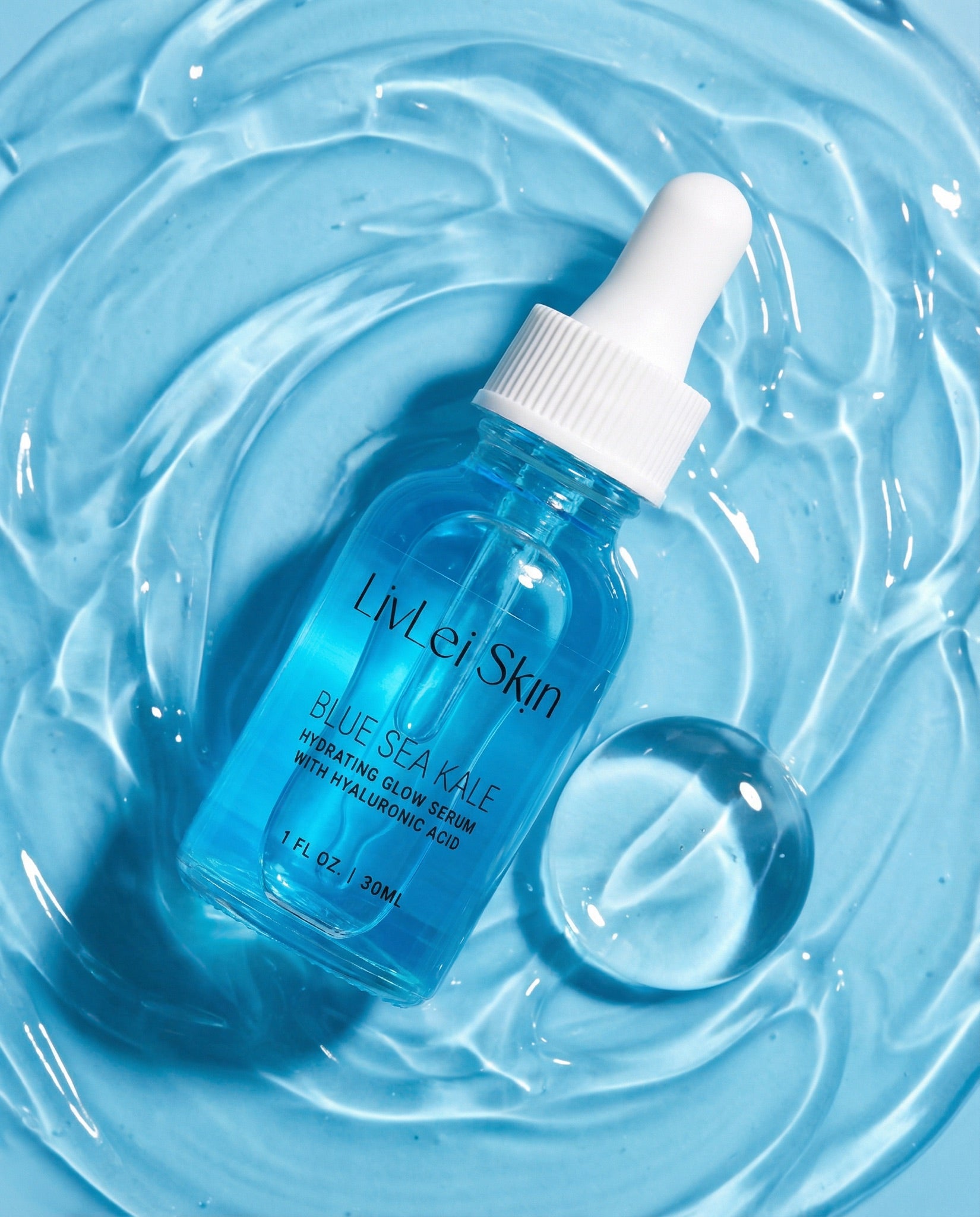
Peptides signal the skin to support its own structural proteins, primarily collagen and elastin. The Palmitoyl Tripeptide-5 in the LivLei Blue Sea Kale Serum works this way. Snow algae works through a different signaling pathway that influences how the cell manages stress rather than what structural proteins it produces. The two approaches are different enough that using a peptide serum alongside a snow algae moisturizer covers two distinct mechanisms rather than duplicating a single one.
The honest positioning for snow algae is not that it replaces any of these ingredients. It is that it adds a mechanism, cellular resilience through FOXO activation, that none of them provide. In a streamlined routine, it is most valuable as a foundation ingredient that makes everything else work better over time.
Frequently Asked Questions About Snow Algae Skincare Benefits
How long does it take to see results from snow algae in skincare?
The immediate antioxidant benefit is present from the first application but is not visible as a skin change since it is a protective mechanism rather than a corrective one. The first visible changes most people notice are in texture and hydration retention, typically at three to four weeks of consistent twice-daily use. Firmness improvement and the broader complexion quality change associated with FOXO activation generally become visible at six to eight weeks. The full benefit of snow algae skincare builds progressively throughout consistent use rather than delivering a dramatic early result that plateaus quickly. This makes it a long-term skin investment rather than a quick-fix ingredient, which is a more accurate and ultimately more valuable category.
Is snow algae suitable for sensitive skin?
Yes. Snow algae extract is exceptionally well-tolerated by sensitive skin types. Its mechanism of action does not involve pH disruption, cell turnover acceleration, or inflammatory pathway activation, all of which are common triggers for sensitive skin reactions. The Coenochloris Signiensis extract used in clinical skincare applications is tested at concentrations that are active without being irritating. The LivLei Cloudberry Hydrating Gel Moisturizer uses sodium ascorbyl phosphate rather than L-ascorbic acid for its vitamin C component, which further reduces the irritation risk for reactive skin types. If you have a history of reactions to active skincare ingredients, snow algae is one of the safest advanced actives you can introduce.
Can snow algae replace sunscreen in a morning routine?
No. Snow algae extract provides antioxidant defense against the free radicals generated by UV radiation, but it is not a UV filter. It does not absorb or reflect UV rays the way chemical or physical sunscreen ingredients do. Think of it as a second layer of defense that catches the oxidative damage that gets through your SPF rather than as a replacement for the SPF itself. The two work together more effectively than either alone. Apply your moisturizer containing snow algae extract as the third step in your morning routine, then apply a broad-spectrum SPF 30 or higher on top. That combination gives your skin both UV blockage at the surface and antioxidant neutralization of the UV-generated free radicals that penetrate despite the SPF.
Is Coenochloris Signiensis the same as other snow algae extracts?
Coenochloris Signiensis is one specific species of snow algae and the one with the most clinical research supporting its skincare efficacy, particularly around FOXO activation and cellular resilience. Other species described as "snow algae" may offer general antioxidant benefits from carotenoid content but have not been studied to the same depth for the cellular longevity mechanisms that make Coenochloris Signiensis particularly valuable. When evaluating a product that claims snow algae benefits, look for Coenochloris Signiensis specifically in the ingredient list. The LivLei Cloudberry Hydrating Gel Moisturizer uses Coenochloris Signiensis Extract as its snow algae source, listed on the full ingredient declaration.
How does snow algae work alongside cloudberry in a moisturizer formula?
The two ingredients address complementary aspects of skin health with minimal overlap. Cloudberry fruit extract provides omega-3 and omega-6 fatty acids in a ratio that mirrors the skin's own lipid profile, which physically repairs gaps and inconsistencies in the barrier's lipid matrix. Snow algae then stabilizes that repaired barrier by reducing the rate of oxidative stress that would degrade it again. Cloudberry works at the structural level, rebuilding what was lost. Snow algae works at the cellular level, activating the skin's own mechanisms for maintaining what was rebuilt. Used together in a single formula, they create a compound benefit that neither produces independently.
Snow Algae Is Not a Trend. It Is a Mechanism.
The skincare ingredient market produces new hero ingredients every season. Some are genuinely novel. Most are repackaged versions of things that already existed. Snow algae sits firmly in the first category, not because of its exotic origin, but because of what it does biologically that no other commonly available skincare ingredient does in the same way.
Cellular resilience through FOXO activation. UV-generated free radical neutralization through high-altitude adapted carotenoid compounds. Barrier stabilization through membrane-protective osmolyte activity. These are mechanisms, not marketing claims. The clinical research supporting them is published, peer-reviewed, and reproducible.
The LivLei Cloudberry Hydrating Gel Moisturizer with Snow Algae delivers these benefits in a lightweight gel formula that works for all skin types, sits comfortably under SPF and makeup, and pairs with the Blue Sea Kale Hydrating Glow Serum for a complete routine that covers deep hydration, peptide activity, and snow algae's cellular resilience in three simple steps.
Shop the Cloudberry Hydrating Gel Moisturizer with Snow Algae at livleiskin.com/products/cloudberry-hydrating-gel-moisturizer-snow-algae.
Shop the complete Splash Collection at livleiskin.com/products/splash-collection.