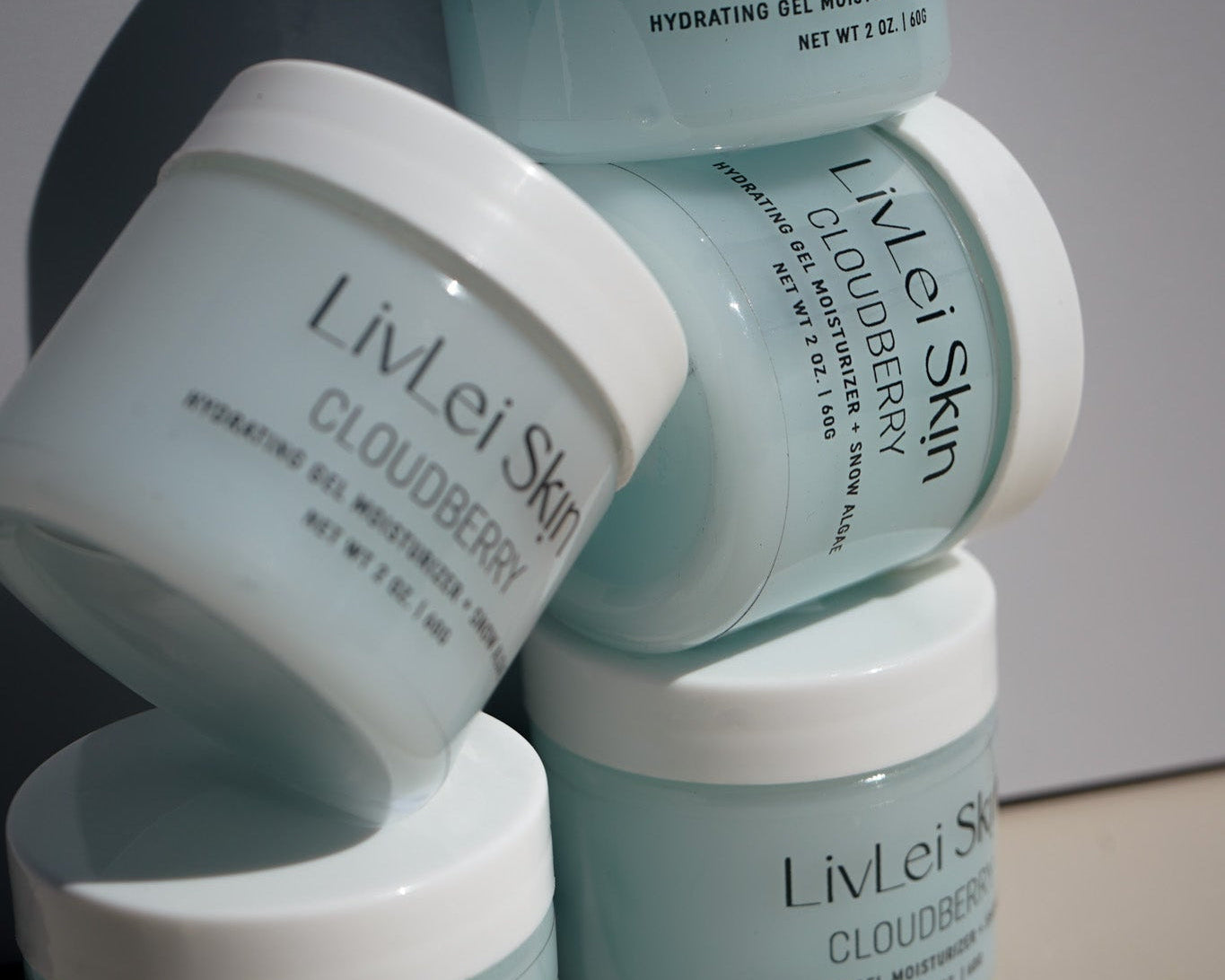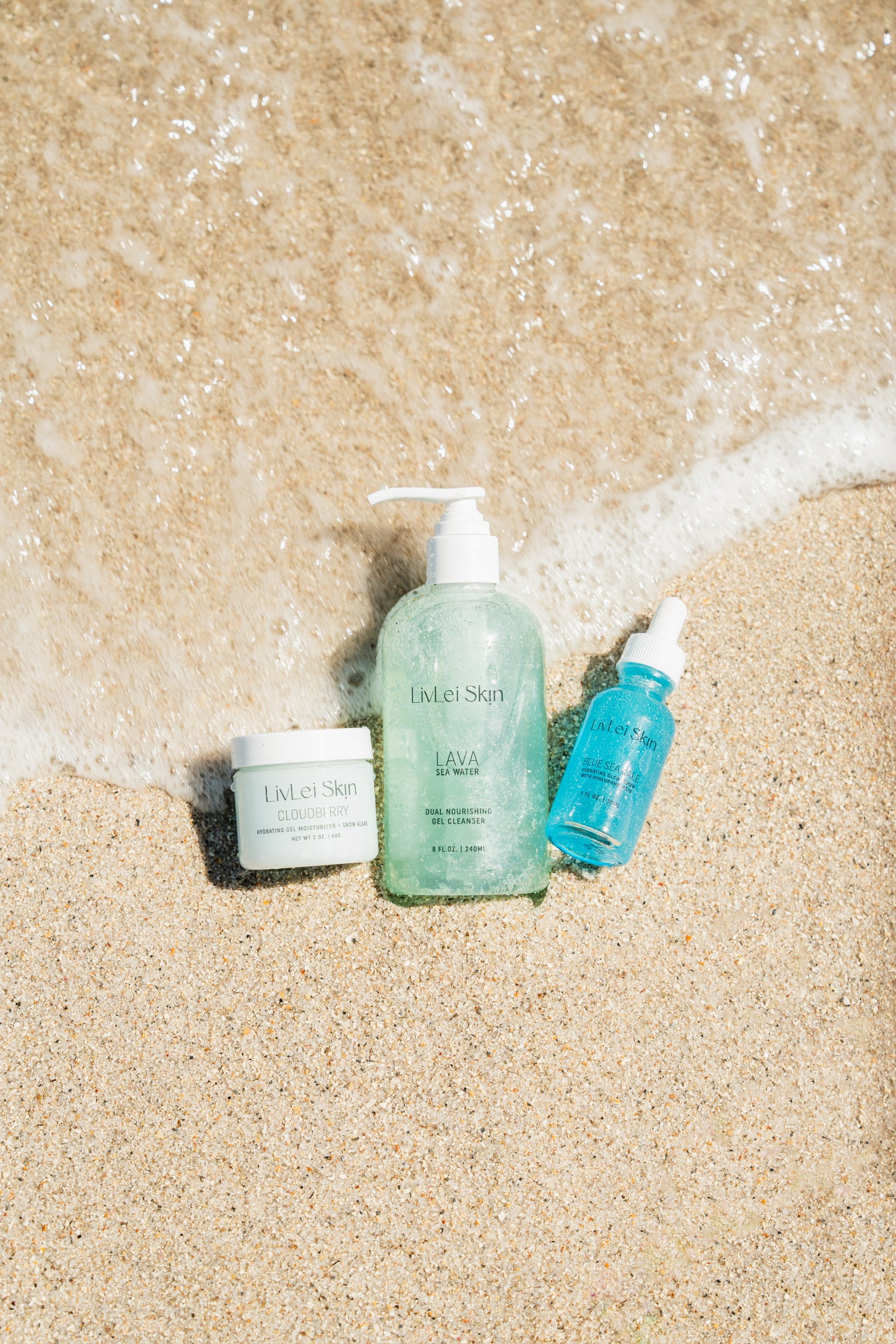
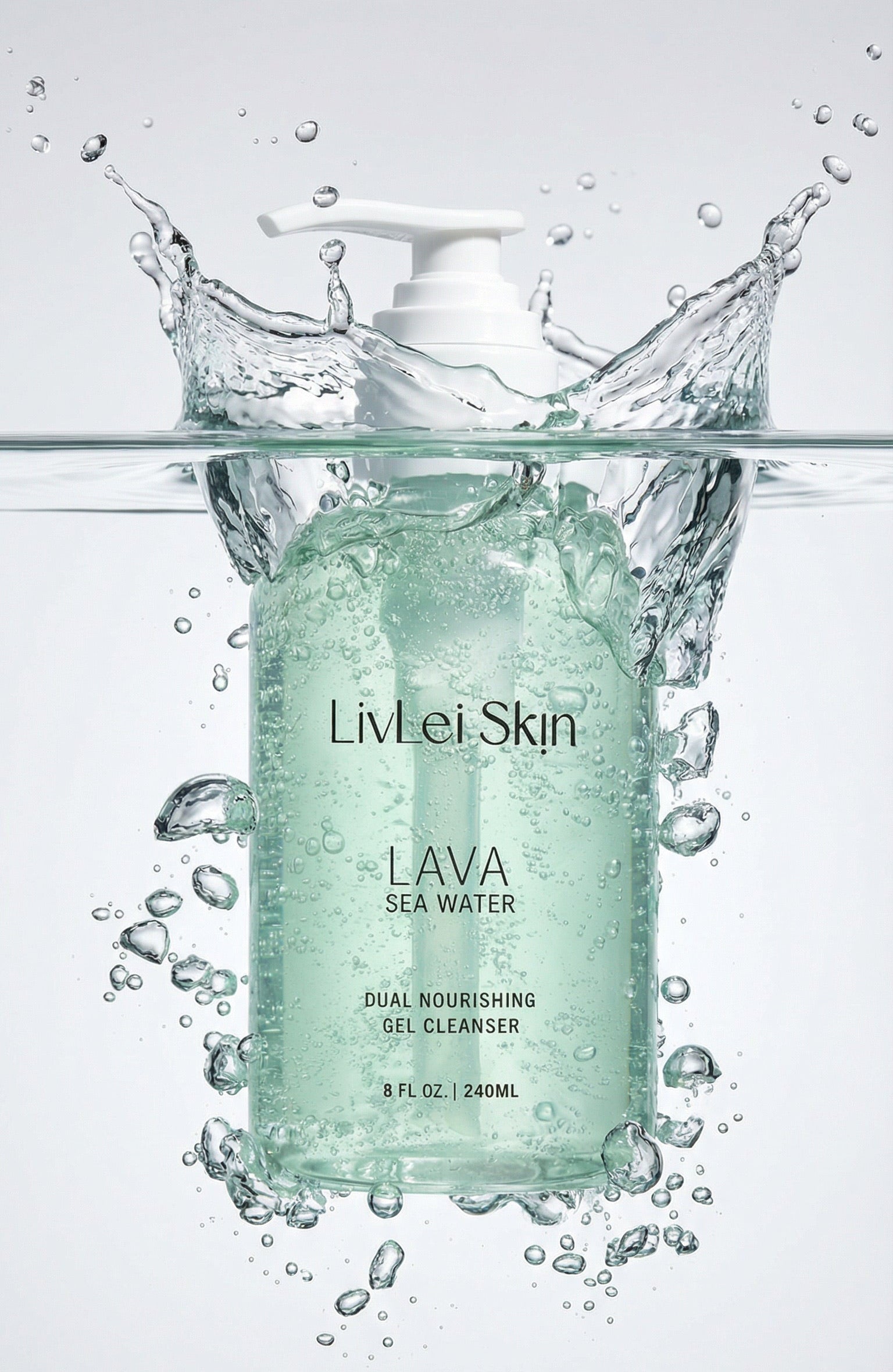
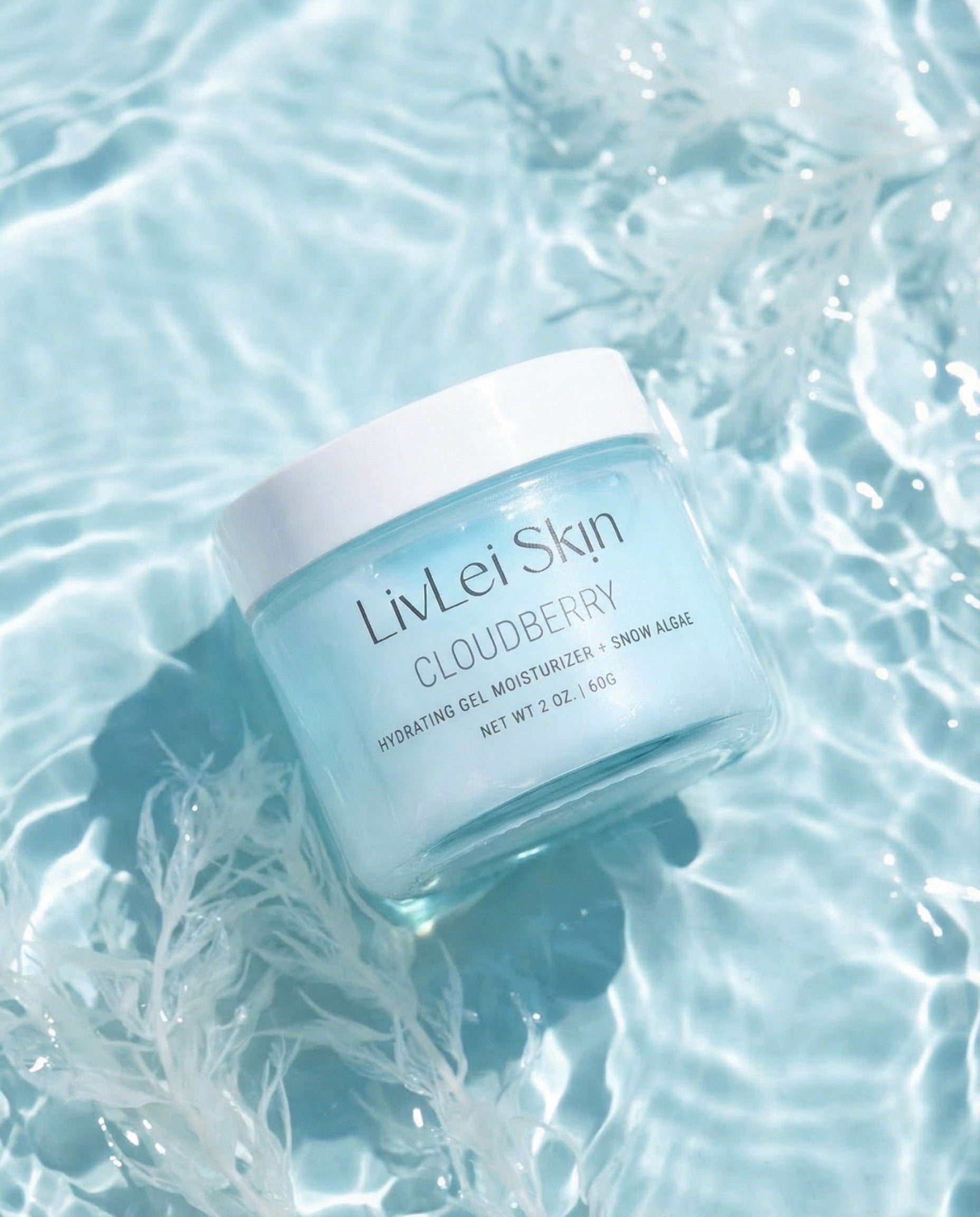


Your skin is dehydrated. You can feel it — the tightness after cleansing, the dullness in your mirror, the foundation that clings to dry patches no matter how much you prep. A solid hydrating skincare routine is the fix, and it does not require twelve steps or a shelf full of products. It requires the right ones, applied in the right order. This guide breaks down exactly how to build a routine that floods your skin with lasting moisture, what the science behind your ingredients actually means, and what to look for when choosing a serum that does the heavy lifting.
Why a Hydrating Skincare Routine Changes Everything
Most people underestimate how much skin health depends on water content. Your skin's outermost layer, the stratum corneum, needs to maintain a water content of at least 10 to 20 percent to function properly. When levels drop below that, the barrier starts to break down. That breakdown shows up as tightness, flaking, sensitivity, and the kind of dull, tired complexion that no amount of concealer can mask.
A well-built hydrating skincare routine does not just sit on the surface. It works at multiple depths — drawing water in, holding it there, and sealing it against evaporation. According to a 2021 review published in the International Journal of Molecular Sciences, transepidermal water loss (TEWL) is one of the primary drivers of premature skin aging, and reducing it through consistent hydration significantly improves elasticity and smoothness over time.
The good news is this: you do not need a complicated system. You need a cleanse, a serum that penetrates, and a moisturizer that locks it in. Done consistently, that trio transforms skin within weeks, not months.
What Dehydrated Skin Actually Looks Like
Many people mistake dehydration for dryness, but they are not the same thing. Dry skin is a skin type — it produces less sebum. Dehydrated skin is a condition that affects every skin type, including oily skin. When your skin is dehydrated, it can actually produce more oil to compensate, which means acne-prone or oily skin types can be severely dehydrated without realizing it.
Here is what to look for:
- Fine lines that appear suddenly across the forehead or around the eyes, especially in dry or cold weather, often signal water loss rather than aging.
- Skin that feels tight within minutes of cleansing, before any product is applied, is a reliable sign that your barrier is compromised.
- A dull, gray undertone — hydrated skin cells reflect light evenly. Dehydrated cells absorb and scatter it, creating that flat, lifeless look.
- Makeup that sits oddly on the skin, settling into pores or creasing almost immediately, happens when the surface is rough and uneven from water loss.
- Increased sensitivity and reactivity — a weakened barrier lets irritants in more easily, which is why dehydrated skin often stings, reddens, or reacts to products it previously tolerated.
If two or more of those sound familiar, your skin is telling you something clear. A focused hydrating skincare routine is not optional. It is maintenance.
The Right Order for a Hydrating Skincare Routine
Layering matters. Applying products in the wrong order means you lose most of what each product can offer. Skincare moves from lightest to heaviest, thinnest to thickest. Here is the correct sequence for a morning hydrating skincare routine:
- Cleanser: Remove overnight buildup, excess sebum, and any residual product without stripping the barrier. This step sets everything else up to absorb properly.
- Serum: This is your active hydration layer. A serum's small molecular size means it penetrates deeper than a moisturizer. It should go on clean, slightly damp skin.
- Moisturizer: This locks in what the serum delivered. It creates a semi-occlusive layer that slows moisture evaporation throughout the day.
- SPF (morning only): Protects the work everything below it is doing. UV exposure is one of the fastest ways to degrade the skin barrier and accelerate moisture loss.
At night, drop the SPF. You can double-cleanse if you wear makeup or SPF, then follow with your serum and a slightly richer moisturizer if needed. Night is when your skin repairs, so it absorbs actives more efficiently while you sleep.
The Science Behind Multi-Weight Hyaluronic Acid
Not all hyaluronic acid is the same. Most mass-market products include a single molecular weight of hyaluronic acid, which sits at or near the skin surface and creates a temporary plumping effect. That is not useless, but it is incomplete.
Multi-weight hyaluronic acid — meaning the formula includes both high-molecular-weight and low-molecular-weight hyaluronic acid — works at two levels simultaneously. High-molecular-weight hyaluronic acid attracts and holds water molecules on the surface of the skin, keeping it visibly plump and dewy. Low-molecular-weight, or hydrolyzed, hyaluronic acid has a smaller structure that can reach deeper layers and deliver moisture where the skin needs it most: below the surface.
Hyaluronic acid is a naturally occurring polysaccharide found in connective tissue throughout the body. Its ability to hold up to 1,000 times its own weight in water makes it one of the most effective humectants in skincare formulation. The key is ensuring your serum contains both forms, not just the larger surface-sitting variety.
When you apply a serum containing both molecular weights to slightly damp skin, the humectants bind to available water and drive it into the skin rather than just sitting on top of it. That distinction explains why your skin can feel genuinely softer and more elastic within minutes of applying a well-formulated hydrating serum — it is not a temporary surface trick.
How Ocean Botanicals Supercharge Skin Hydration
Marine-derived ingredients are earning serious attention in evidence-based skincare, and for good reason. The ocean is an extreme environment. Plants and algae that thrive in it have evolved with extraordinary stress-tolerance mechanisms — and many of those mechanisms translate directly into skin benefits.
Spirulina, a blue-green marine algae, is rich in polysaccharides that help the skin retain moisture and reinforce barrier function. Undaria, a species of kelp, contains fucoxanthin, an antioxidant compound that protects against oxidative damage while helping skin maintain its structural integrity. Sea water, when properly formulated into skincare, delivers a concentrated blend of minerals including magnesium, potassium, and calcium that support cellular hydration and enzyme activity.
Crambe maritima, the sea kale plant found in coastal dunes across northern Europe, is a particularly compelling ingredient. Its leaf extract contains glucosinolates and antioxidant compounds that help the skin defend against environmental stress while calming inflammation. Research into coastal plant extracts has highlighted their ability to strengthen the skin barrier — the same barrier that controls how much moisture your skin can hold.
These ingredients do not function as a trend or a marketing device. They are biologically active, bringing adaptive chemistry from one of the most water-intense environments on the planet directly to your skin.
The Blue Sea Kale Hydrating Glow Serum Is Built for This
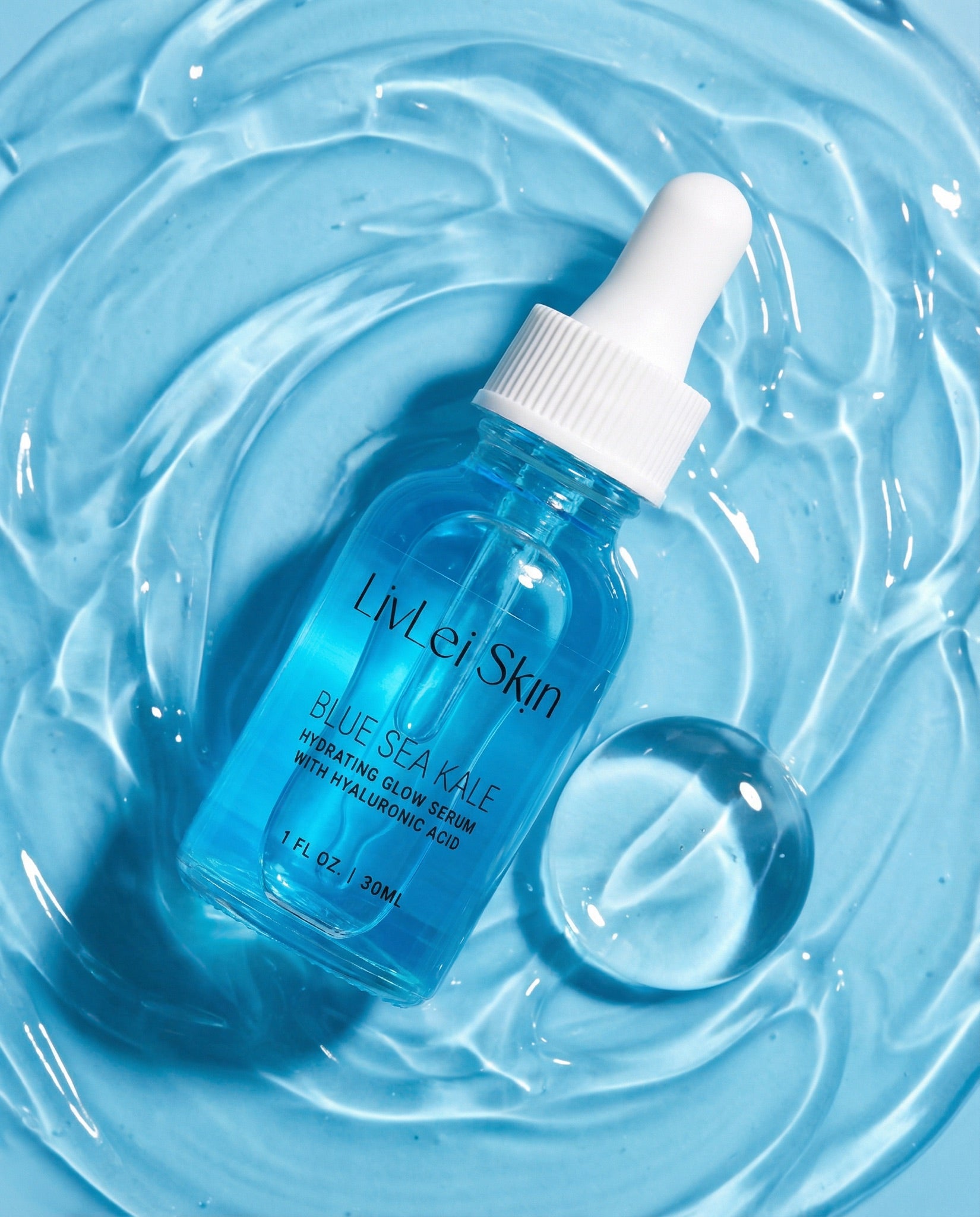
If your hydrating skincare routine needs one product that does the serious work, it is your serum. The Blue Sea Kale Hydrating Glow Serum from LivLei Skin is built around the dual-phase, or bi-phase, concept — a structure that separates a water-light hydration phase from a nutrient-rich oil phase. You shake before applying, activating both phases together on the skin.
This matters because oil-soluble and water-soluble actives work differently. A bi-phase serum delivers both simultaneously, covering the full hydration spectrum rather than choosing one or the other.
The formula includes multi-weight hyaluronic acid — both high and low molecular weight — to hydrate at the surface and deeper layers. Crambe maritima leaf extract (the Blue Sea Kale itself) brings barrier-strengthening and antioxidant activity. Gardenia jasminoides stem cells, derived through plant cell biotechnology, help support skin repair at a cellular level. Palmitoyl tripeptide-5 is a peptide that signals the skin to produce collagen, supporting firmness over time. Jojoba seed oil provides a lipid layer that closely mimics the skin's own sebum, helping to seal in hydration without feeling heavy.
The result is a serum that hydrates visibly, feels lightweight, and works on every skin type — oily, dry, combination, and sensitive. Three to five drops pressed gently into clean, damp skin, morning and night. That is the hydrating skincare routine down to its most efficient form. Explore the Blue Sea Kale Hydrating Glow Serum here.
Hydration Mistakes That Are Quietly Sabotaging Your Skin
You can do everything else right and still see poor results if these patterns are in your routine:
- Applying serum to dry skin: Humectants need water to bind to. If your skin is completely dry, they pull from deeper layers instead of attracting environmental moisture, which can backfire. Apply to skin that is still slightly damp from cleansing.
- Skipping serum and relying only on moisturizer: Moisturizers seal. Serums hydrate. You need both, in the right order. A moisturizer without an underlying hydrating serum is like waterproofing a sponge that was never wet.
- Using a stripping cleanser: Many gel and foam cleansers contain sulfates that remove not just dirt but also the skin's natural lipid layer. Every time you strip that layer, moisture evaporates faster. Your cleanser should leave skin feeling soft and balanced, not squeaky-clean.
- Forgetting SPF: UV exposure degrades hyaluronic acid in the skin, breaks down collagen, and accelerates transepidermal water loss. No hydrating routine is complete without SPF in the morning.
- Overloading with actives: Retinol, exfoliating acids, and strong vitamin C can all compromise the barrier if used without adequate hydration support. If you use active ingredients, your hydrating routine is not optional — it is what keeps your barrier intact while those actives do their job.
FAQs
What is a hydrating skincare routine and who needs one?
A hydrating skincare routine is a daily regimen built specifically around restoring and maintaining your skin's water content. It typically includes a gentle cleanser, a hydrating serum containing ingredients like hyaluronic acid or plant-based humectants, and a moisturizer to seal everything in. Every skin type — oily, dry, combination, and sensitive — needs hydration. Dehydration is a condition, not a skin type, and it can affect anyone regardless of how much oil their skin produces. If your skin ever feels tight, looks dull, or feels rough to the touch, a focused hydrating routine is the correct response.
How long does it take for a hydrating skincare routine to work?
You can see an immediate improvement in surface plumpness and texture within the first few applications of a good hydrating serum, because humectants draw water into the skin within minutes. Deeper, more sustained improvements — including reduced fine lines from dehydration, more even tone, and stronger barrier function — typically appear after two to four weeks of daily use. Consistency is what converts short-term results into lasting skin health.
Can a hydrating skincare routine help oily skin?
Yes, and this is one of the most misunderstood areas of skincare. Oily skin can be severely dehydrated. When the skin lacks water, it often compensates by producing more sebum, which makes oiliness worse, not better. A hydrating skincare routine with lightweight, non-comedogenic ingredients — particularly a bi-phase serum with humectants rather than heavy oils — helps balance oil production by addressing the underlying dehydration. Many people with oily skin find that consistent hydration reduces the shine and breakouts they were trying to control with harsh products.
What ingredients should I look for in a hydrating skincare routine?
The core hydrating ingredients are humectants — ingredients that attract water and hold it in the skin. Hyaluronic acid in multiple molecular weights is the most researched and reliable option. Glycerin is a simpler but highly effective humectant used as a supporting ingredient in many serums. Panthenol (pro-vitamin B5) improves moisture retention and soothes the skin. Aloe vera provides a lightweight source of polysaccharides that hydrate and calm. Beyond humectants, look for barrier-supporting ingredients like peptides, plant-derived lipids, and botanical extracts — particularly marine ones — that reinforce the skin's ability to hold onto the moisture you are delivering.
Is a hydrating skincare routine different from a moisturizing routine?
They are related but not identical. Moisturizing focuses on preventing water loss — it describes products that create a barrier to slow evaporation. Hydrating focuses on adding water to the skin in the first place. A complete routine does both: a serum hydrates by delivering water and humectants into the skin, and a moisturizer locks it in afterward. The most common mistake is relying on a moisturizer alone without addressing the hydration step first, which means you are sealing in very little water and seeing minimal results.
Conclusion
Dehydrated skin is fixable, and it does not require an expensive, complicated routine to fix it. A proper hydrating skincare routine — one that cleanses without stripping, delivers moisture at multiple depths through a well-formulated serum, and locks it in with a moisturizer — is what your skin actually needs. The serum is the most important piece. Choose one that contains multi-weight hyaluronic acid, peptides, and clinically relevant botanicals, and apply it consistently to damp skin. The Blue Sea Kale Hydrating Glow Serum was built for exactly this role. Try it here and see what a hydrating routine built on real science actually does for your skin.