

Your skin reacts to almost everything. A new cleanser burns. A popular serum turns your cheeks red. The moisturizer your friend swears by breaks you out. If that sounds familiar, your skin is not being difficult. It is telling you that your current routine is not built for it. A gentle skincare routine for sensitive skin does not mean giving up results. It means choosing ingredients that strengthen your barrier instead of stripping it, and applying them in an order that actually works. This guide shows you exactly how.
What Makes a Skincare Routine Truly Gentle for Sensitive Skin
The word "gentle" gets printed on packaging so often that it has almost lost its meaning. A truly gentle skincare routine for sensitive skin is not just one that avoids obvious irritants. It is one built around barrier preservation at every step.
Your skin barrier, the stratum corneum, is a layered structure of skin cells and lipids that sits between your body and the outside world. When it is intact, it keeps moisture in and irritants out. When it is compromised, sensitizing agents like fragrance, alcohol, and harsh surfactants penetrate more deeply, triggering redness, stinging, and inflammation.
Research published in the journal Clinical, Cosmetic and Investigational Dermatology found that transepidermal water loss (TEWL), the rate at which moisture escapes through the skin, is significantly elevated in sensitive skin. That one measurement explains a lot: when your barrier leaks, your skin reacts to almost everything.
A routine built for sensitivity works to reduce TEWL, support the lipid layer, and deliver hydration without provoking a response. Every product in the lineup should pass that test. If any step strips, burns, or leaves your skin tight, it is working against the barrier rather than for it.
The Signs Your Skin Needs a Gentler Approach
Not everyone with sensitive skin experiences the same symptoms. The pattern can be subtle, and it often gets misread as dryness or a reaction to one specific product. Here is what to look for:
- Immediate stinging after cleansing, even when the product is labeled soothing or gentle, signals that the cleanser's pH or surfactant system is disrupting your barrier.
- Persistent redness or flushing, particularly around the nose, cheeks, and chin, often indicates chronic low-level inflammation from barrier compromise.
- Tightness within minutes of washing, before any product is applied, shows that cleansing is stripping natural lipids faster than your skin can compensate.
- Reactions to products you used to tolerate, which happens when cumulative barrier damage reaches a threshold where even previously safe products become irritating.
- Flare-ups tied to weather, stress, or diet are common in sensitive skin because a compromised barrier offers less buffering against internal and external triggers.
Two or more of these happening regularly is not bad luck. It is a consistent signal that your routine needs restructuring from the cleanser forward.
The Correct Order for a Gentle Skincare Routine
Layering matters as much as product selection. Applying products out of sequence limits absorption and can introduce friction that inflames already reactive skin. For a gentle skincare routine for sensitive skin, the order is non-negotiable.
Morning:
Gentle cleanser, applied to damp or dry skin, rinsed thoroughly. Then your serum, pressed into skin that is still slightly damp from rinsing. Then your moisturizer, to seal everything in. Then SPF, last in the lineup.
Evening:
If you wear SPF or makeup, cleanse twice: once with a gentle micellar or oil-based formula to dissolve surface buildup, then once more with your regular cleanser. Follow with serum, then a slightly richer moisturizer if your skin prefers it overnight. Night is when the skin's repair cycle is most active, so this is the window where a well-formulated serum does its deepest work.
One additional rule for sensitive skin: always apply serum to slightly damp skin. Humectant ingredients, the ones that attract and hold water, need available water to bind to. On completely dry skin, they can draw from deeper layers instead, which can increase tightness rather than relieve it.
How to Choose a Cleanser That Does Not Compromise Your Barrier
The cleanser is the most critical step in any gentle skincare routine for sensitive skin because it sets the condition of your skin for everything that follows. A stripping cleanser undermines every product applied after it, no matter how well-formulated those products are.
Sulfate-based surfactants, particularly sodium lauryl sulfate (SLS), are effective at removing oil and buildup but they do it by disrupting the lipid structure of the skin barrier. That squeaky-clean feeling after washing is not a sign of clean skin. It is a sign of a depleted barrier.
For sensitive skin, the cleanser should use milder surfactant systems based on amino acid derivatives, glucosides, or sultaines. These clean effectively without altering the skin's pH beyond its natural range of 4.5 to 5.5. The result is skin that feels soft and balanced after rinsing, not tight or stripped.
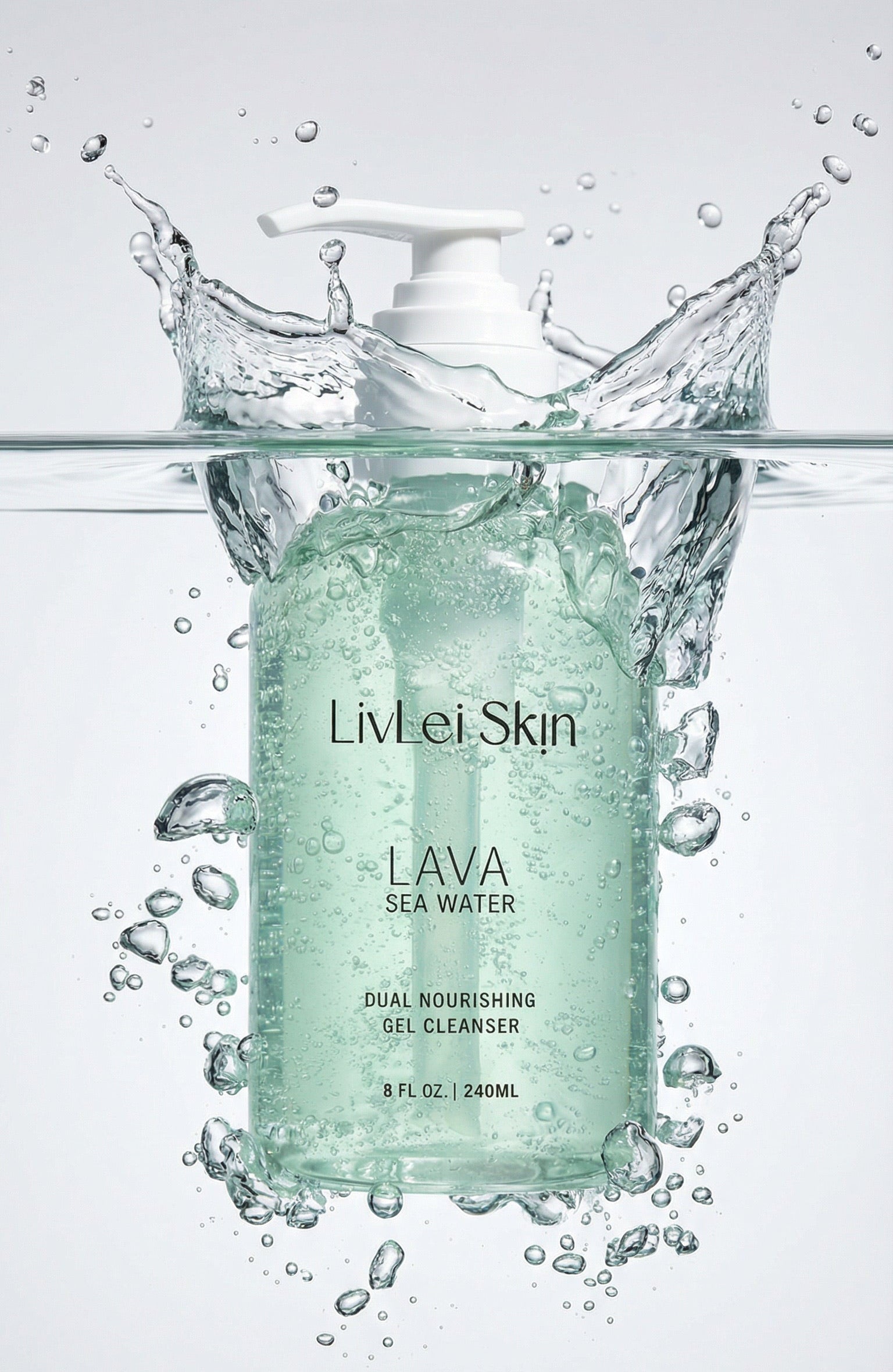
The Lava Sea Water Dual Nourishing Gel Cleanser from LivLei Skin uses a sulfate-free surfactant system built around Sodium Methyl Cocoyl Taurate and Potassium Cocoyl Glycinate — both amino acid-derived surfactants that clean without disturbing the lipid barrier. It also contains Sea Water, Spirulina Platensis, and Undaria extract, marine botanicals that deliver minerals and antioxidant polysaccharides during the cleanse rather than just rinsing them away. You apply it to dry skin to dissolve buildup first, then add water to activate the lather. That dual-phase cleansing method means it works like an oil cleanser and a water-based cleanser simultaneously, making it appropriate for sensitive skin that still needs thorough removal of SPF and daily debris. Explore the Lava Sea Water Cleanser here.
The Science Behind Choosing the Right Serum for Sensitive Skin
A serum is where your routine gains its therapeutic depth. Because serums use smaller molecular structures than moisturizers, they penetrate more efficiently and deliver active ingredients below the surface. For sensitive skin, the serum needs to hydrate and support repair without introducing high-concentration actives that can trigger irritation.
The ingredients to prioritize are humectants and barrier-supporting botanicals. Hyaluronic acid, particularly in multiple molecular weights, is the most clinically studied hydrating humectant in skincare. High-molecular-weight hyaluronic acid creates a film on the surface that holds water and creates a temporary plumping effect. Hydrolyzed hyaluronic acid, the low-molecular-weight form, penetrates into the deeper layers and delivers moisture where dehydration originates.
Panthenol (pro-vitamin B5) is another essential ingredient for sensitive skin serums. It improves skin elasticity, promotes cellular repair, and reduces inflammation, all without the irritation risk associated with retinoids or exfoliating acids. Peptides like Palmitoyl Tripeptide-5 signal collagen production through a biological pathway rather than a chemical one, which means firming benefits without barrier disruption.
Plant-derived oils in a bi-phase serum formula provide lipid replenishment. Jojoba seed oil, for example, has a molecular structure close to human sebum, which means it absorbs readily and supports the skin's own lipid barrier rather than sitting on top of it. A serum that delivers both humectants and lipids simultaneously covers the full hydration spectrum without requiring a separate facial oil step.
Why Ocean Botanicals Work for Reactive and Sensitive Skin
Marine-derived skincare ingredients are earning serious attention in dermatological research, and the reason is biological. Algae, sea plants, and ocean minerals have evolved to survive conditions of extreme osmotic stress, UV exposure, and salinity fluctuation. The adaptive chemistry they use to survive translates directly into skin benefits.
Spirulina Platensis, a blue-green algae, contains polysaccharides that support moisture retention and strengthen the skin barrier. Undaria, a species of kelp found in both the Lava Sea Water Cleanser and related ocean-focused formulas, contains fucoxanthin, an antioxidant that protects against oxidative stress while supporting structural skin integrity. Sea water delivers a bioavailable mineral complex including magnesium, potassium, and calcium that supports cellular hydration and enzyme function at the skin surface.
Crambe Maritima, known as sea kale, is a coastal plant from northern European shorelines. Its leaf extract contains glucosinolates and polyphenols that calm environmental inflammation and reinforce the skin barrier. These are not decorative label ingredients. They are biologically active compounds from some of the most water-intense environments on the planet.
For sensitive skin in particular, marine botanicals offer an important advantage: they deliver antioxidant and barrier-supporting activity without the pH-active delivery mechanisms that make common actives like AHAs and retinoids irritating. The result is functional skincare that calms rather than challenges compromised skin.
The Blue Sea Kale Serum and Cloudberry Moisturizer Are Built for This Routine
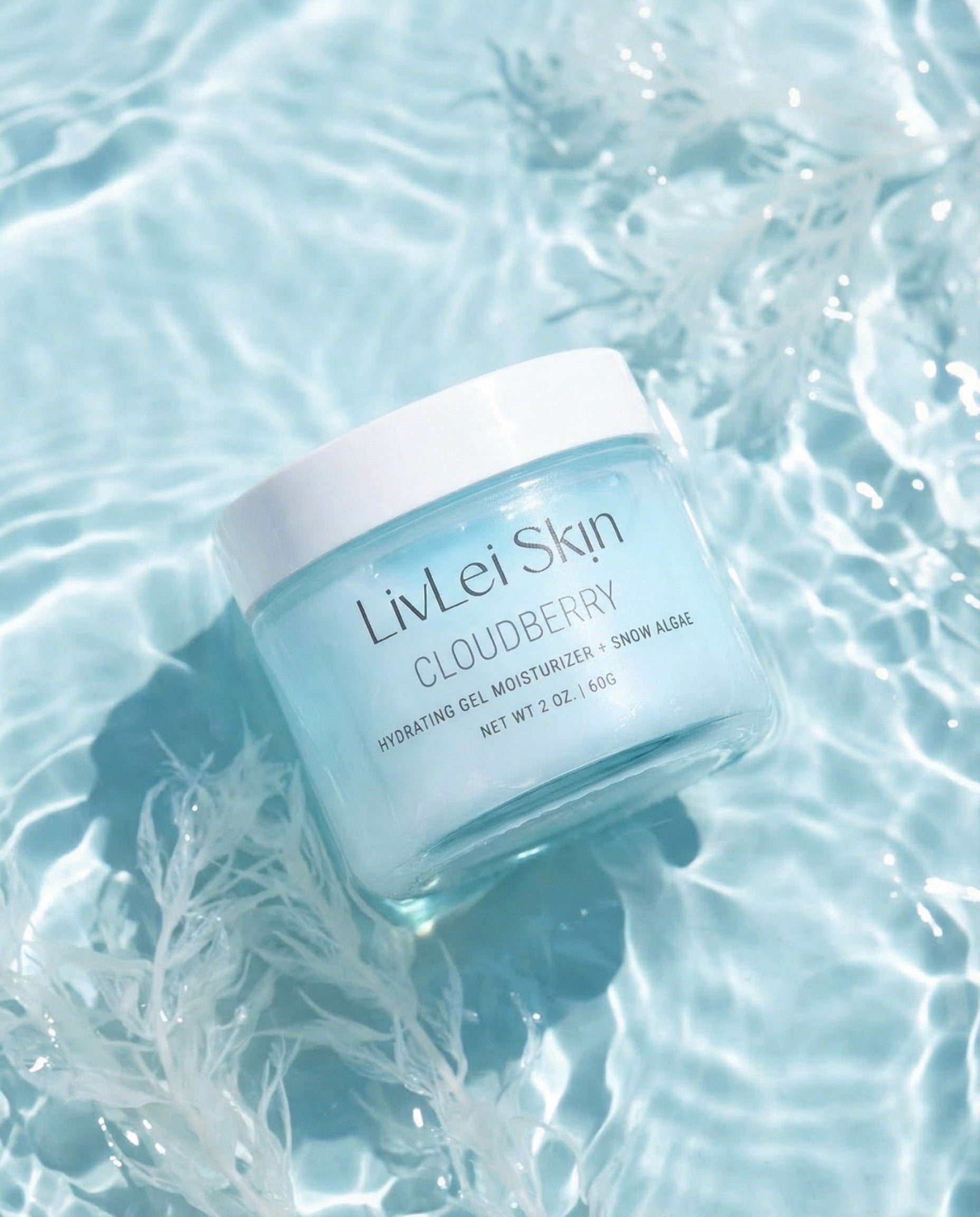
The final two steps in LivLei Skin's approach are the Blue Sea Kale Hydrating Glow Serum and the Cloudberry Hydrating Gel Moisturizer, and together they cover what a gentle skincare routine for sensitive skin actually requires.
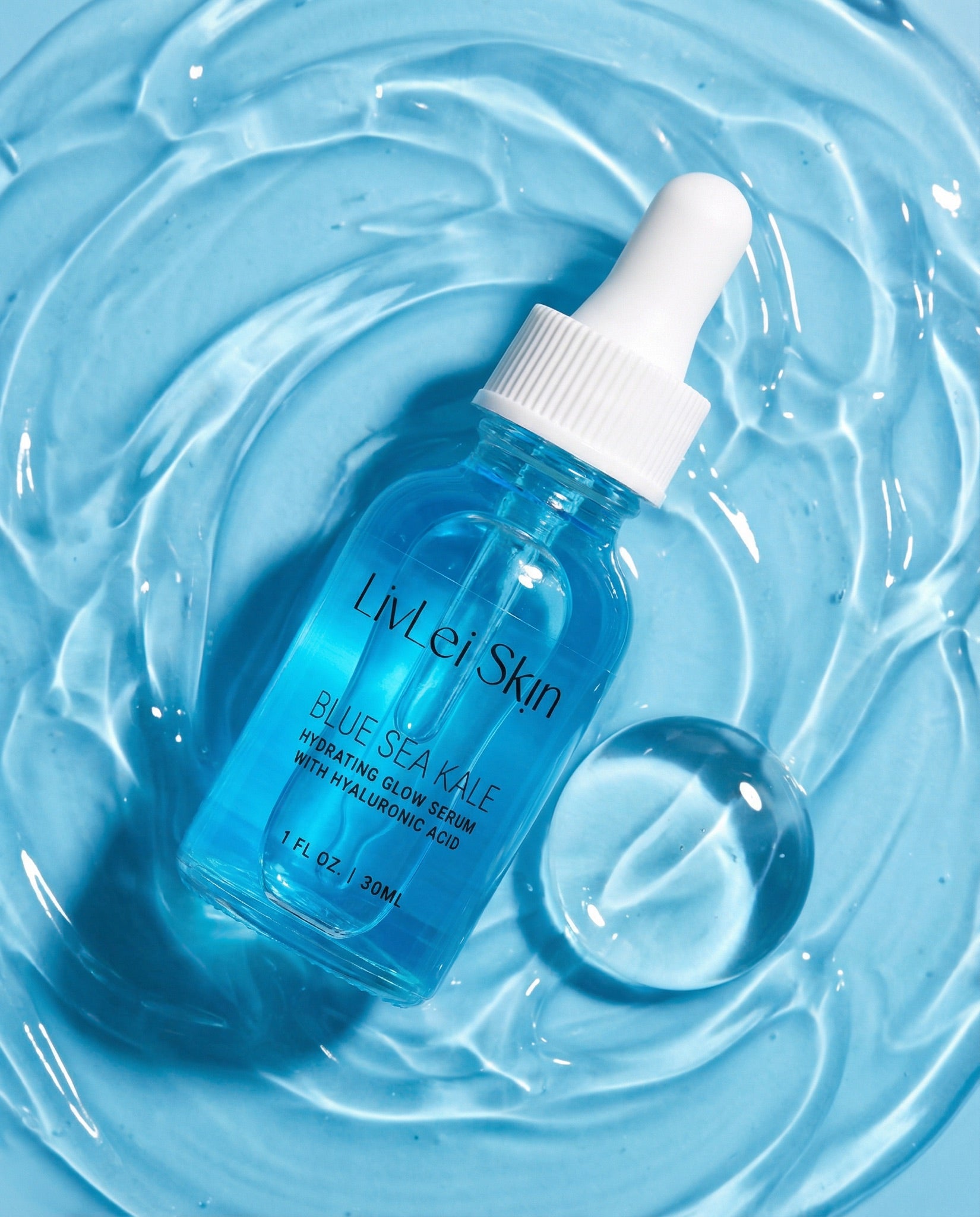
The Blue Sea Kale Serum uses a bi-phase formula — a water-light hydration phase and a nutrient-rich oil phase that you activate by shaking before application. It contains both Hydrolyzed Hyaluronic Acid and Sodium Hyaluronate to hydrate at multiple depths, Palmitoyl Tripeptide-5 for peptide-based collagen support, Gardenia Jasminoides Meristem Cell Culture Extract for cellular repair, Panthenol for barrier soothing, and Jojoba Seed Oil as the lipid anchor. Three to five drops pressed into slightly damp, clean skin. That is all it takes.
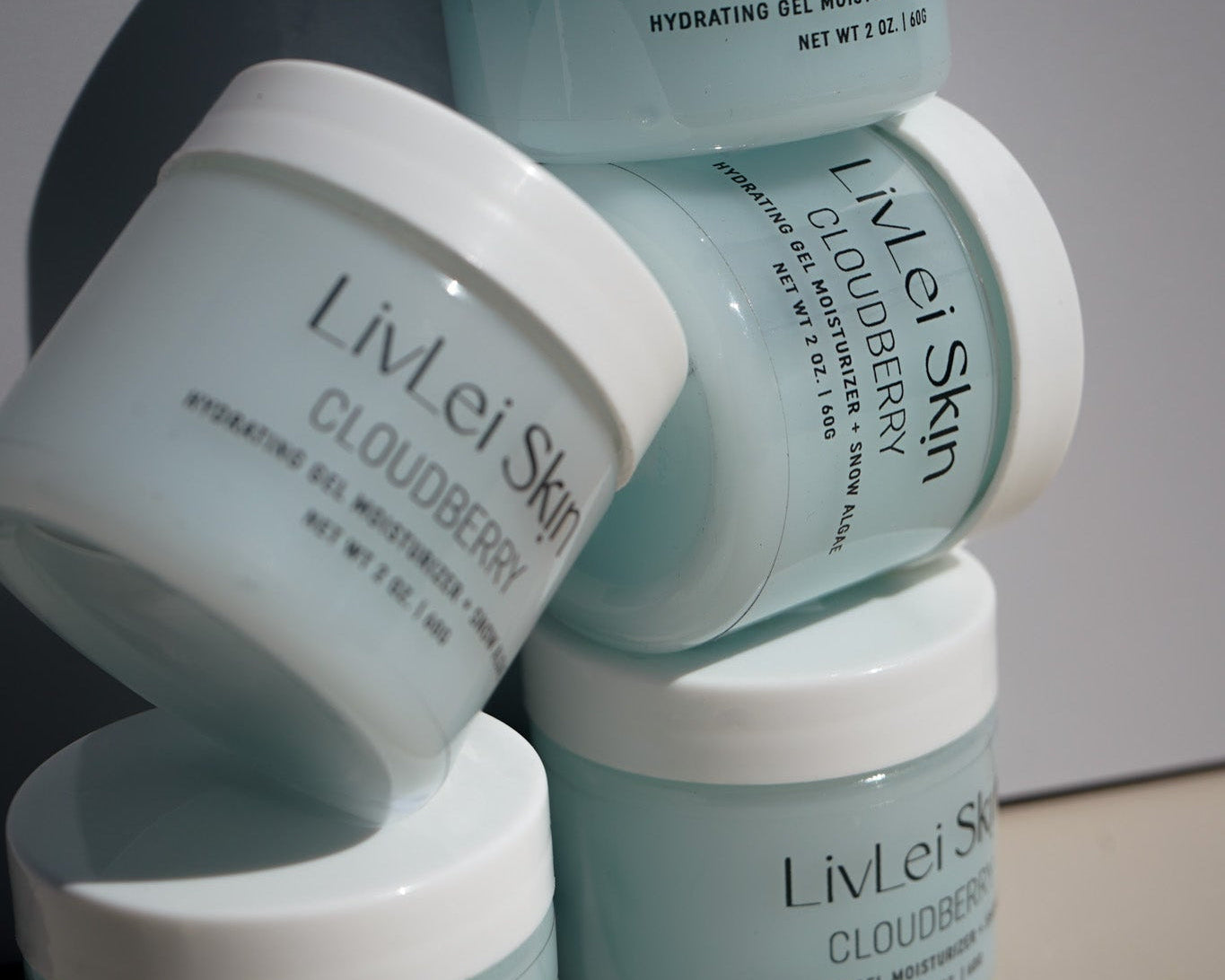
The Cloudberry Hydrating Gel Moisturizer follows as the sealing layer. It is built around Rubus Chamaemorus (Cloudberry) Fruit Extract, a Nordic botanical exceptionally high in omega fatty acids and vitamin E that nourishes the barrier without heaviness. Snow algae extract, Aloe Barbadensis Leaf Juice, and Sodium Ascorbyl Phosphate provide antioxidant protection and brightening support while the formula locks in the hydration the serum delivered. The gel texture makes it appropriate for all skin types, including sensitive skin that finds cream moisturizers too occlusive.
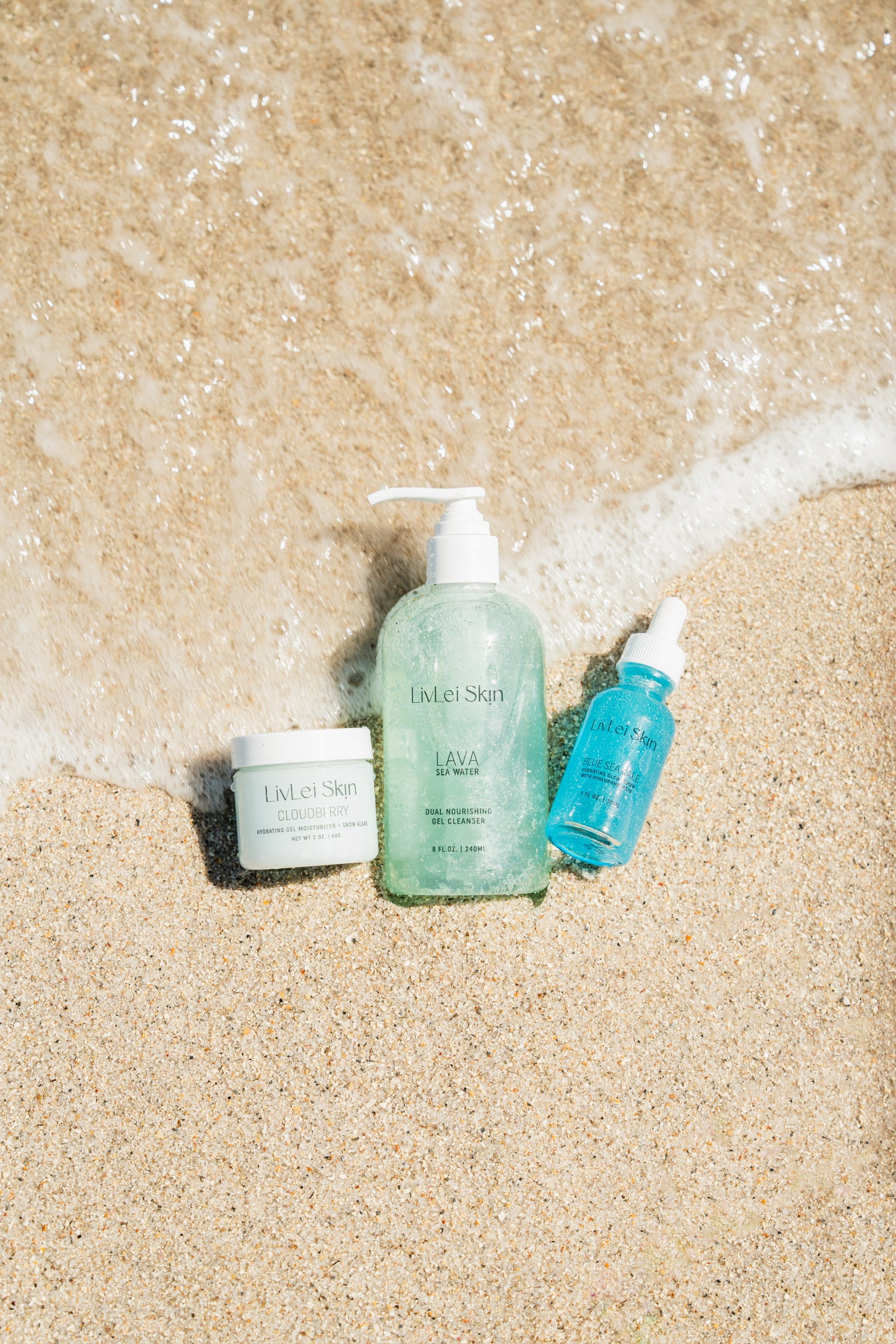
All three products together form the Splash Collection, LivLei Skin's complete three-step ocean ritual. Shop the Splash Collection here.
Common Mistakes That Make Sensitive Skin Worse
You can choose the right products and still see poor results if these patterns are running in the background:
- Over-cleansing: Washing your face more than twice daily strips the lipid layer faster than it can rebuild. Once in the morning and once at night is sufficient for most sensitive skin types.
- Layering too many actives at once: Retinol, AHAs, vitamin C, and niacinamide all have legitimate benefits, but introducing them simultaneously overwhelms a reactive barrier. Introduce one new active at a time, with at least two to four weeks between additions.
- Skipping SPF: UV exposure degrades the skin barrier, depletes hyaluronic acid in the skin, and accelerates TEWL. Every gentle skincare routine for sensitive skin is incomplete without broad-spectrum SPF in the morning.
- Applying serum to dry skin: Humectants need moisture to bind to. Apply immediately after cleansing while skin still holds some water, or apply a few drops of water or a hydrating toner first.
- Switching products too frequently: Sensitive skin needs time to adapt. Constant product changes prevent you from identifying what is working and what is causing flare-ups. Give any new routine at least four weeks before evaluating results.
FAQs
What is a gentle skincare routine for sensitive skin and where do I start?
A gentle skincare routine for sensitive skin starts with a sulfate-free cleanser that does not strip the barrier, followed by a hydrating serum containing humectants like hyaluronic acid and barrier-supporting peptides, and sealed with a lightweight moisturizer. The goal at every step is to support the skin's natural lipid layer rather than disrupt it. Start with just those three products before adding anything else. Simplicity is the foundation of every sensitive skin routine that actually works.
How long does a gentle skincare routine take to show results on sensitive skin?
You can notice reduced tightness and improved surface comfort within the first few applications when humectants are working correctly. Meaningful changes to redness, reactivity, and overall skin texture typically appear after four to six weeks of consistent daily use. Barrier repair takes time because the skin renews itself in cycles of roughly 28 days. A gentle skincare routine for sensitive skin works by supporting that cycle rather than accelerating it with harsh actives.
Can a gentle skincare routine for sensitive skin also address aging concerns?
Yes. Peptides, antioxidants, and barrier-supporting ingredients like hyaluronic acid address both sensitivity and early aging simultaneously. Palmitoyl Tripeptide-5 signals collagen production without the irritation risk of retinoids. Antioxidant-rich botanicals protect against free radical damage, one of the primary drivers of premature skin aging. A gentle skincare routine for sensitive skin does not require you to choose between calming your skin and keeping it firm and even-toned.
What ingredients should I avoid in a skincare routine for sensitive skin?
Avoid sodium lauryl sulfate (SLS) in cleansers, high-concentration alcohol (ethanol or isopropyl alcohol) in any step, synthetic fragrance in leave-on products, and high percentages of exfoliating acids without adequate barrier support. Also approach physical scrubs with caution — the micro-abrasion they cause can worsen redness and inflammation in reactive skin. Fragrance-free and sulfate-free should be baseline requirements for any product entering a sensitive skin routine.
Is the Splash Collection from LivLei Skin suitable for a gentle skincare routine for sensitive skin?
All three products in the Splash Collection — the Lava Sea Water Cleanser, Blue Sea Kale Serum, and Cloudberry Moisturizer — are formulated without sulfates, are vegan and clean-formulated, and use ocean-derived botanicals that are biologically suited to barrier support. The system is designed to work as a complete gentle skincare routine for sensitive skin, covering the cleanse, hydration, and seal steps with ingredients that calm rather than provoke reactive skin.
Conclusion
Sensitive skin does not need fewer products. It needs better ones, chosen with barrier function as the primary criteria. A gentle skincare routine built around a sulfate-free cleanser, a multi-humectant serum, and a protective moisturizer gives your barrier what it needs to stay intact — and intact skin is calm skin. The Lava Sea Water Cleanser, Blue Sea Kale Serum, and Cloudberry Moisturizer from LivLei Skin were formulated to work as exactly this kind of system. Shop the complete Splash Collection and start building a routine your skin will not fight back against.